
Toilet Replacement in Lakewood, CO
Local plumbers handle full toilet replacement in Lakewood — old unit out, new unit set and tested.
Call today to schedule a same-week appointment.
In Lakewood, toilet replacement is one of the most common plumbing calls we handle year-round. This page covers full toilet removal and installation, flange inspection, shutoff valve replacement, and supply line swap — everything needed for a complete, code-compliant job.
Most replacements finish in a single visit. A technician will confirm the full scope before starting any work. As a licensed Lakewood plumber, we handle permits where required, proper disposal of the old unit, and installation that meets current code.
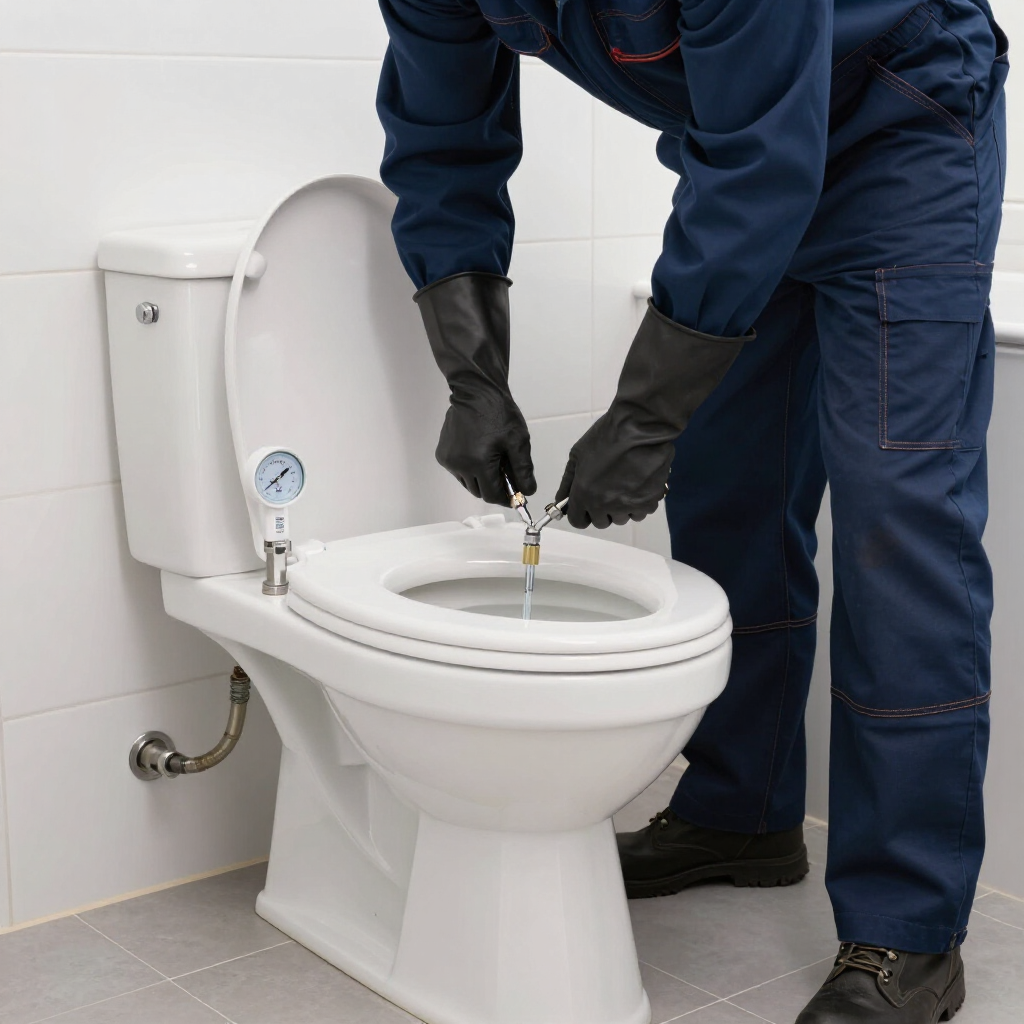
One thing worth knowing before you schedule: Lakewood is served by Denver Water, and street-side static pressure in older grid zones regularly runs 85–100 PSI. That's well above the 60 PSI threshold where fill valves wear out fast. Homes without a working pressure-reducing valve chew through toilet internals quickly. It's a Lakewood-specific variable that shapes how we approach every toilet replacement we do here.
When to Replace a Toilet Instead of Repairing It
One failing part usually means a repair. But when multiple things go wrong at once — or the toilet is 20 to 25 years old — replacement is the smarter call.
We're a licensed, family-owned plumbing company serving Lakewood homeowners, and toilet replacement is one of the most common jobs we run year-round. Homeowners in Bear Creek and Union Hills call us regularly about wobbling seats, slow-filling tanks, and toilets that won't stop running. Those are signs the whole unit is done, not just one component.
A single replacement visit costs less over time than stacking repair calls on aging internals. And in Lakewood, aging happens faster than most people expect. Denver Water's static pressure in older grid zones regularly hits 85–100 PSI — well above the 60 PSI threshold where fill valves and flappers wear out fast. Your toilet isn't failing early because of bad luck. The pressure is working against it every day.
One thing we see constantly on Lakewood calls: the PRV on the main line is original equipment, 15-plus years old, and holding pressure inconsistently. Replace it on the same trip, or the new toilet will fail prematurely for the same reason the old one did.
What the Toilet Replacement Process Looks Like Step by Step
Toilet replacement in Lakewood, CO follows a clear sequence — and knowing what to expect makes scheduling easier.
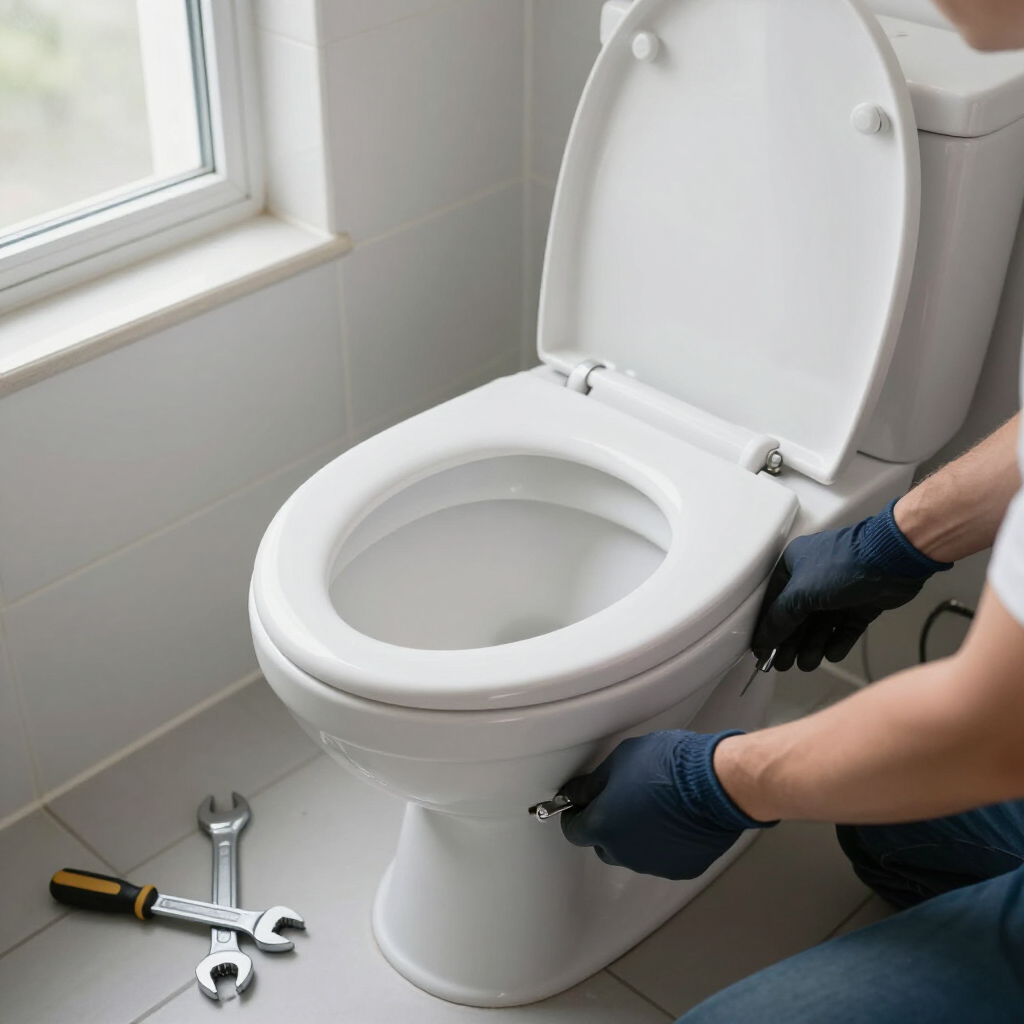
Step 1: Shut off the water supply and flush the tank completely empty.
Step 2: Disconnect the supply line and pull the old toilet free.
Step 3: Inspect the closet flange — check for cracks, tilt, or drop from slab movement.
Step 4: Replace the shutoff valve and angle stop. Lakewood's hard water calcifies these solid; skipping this step is how callbacks happen.
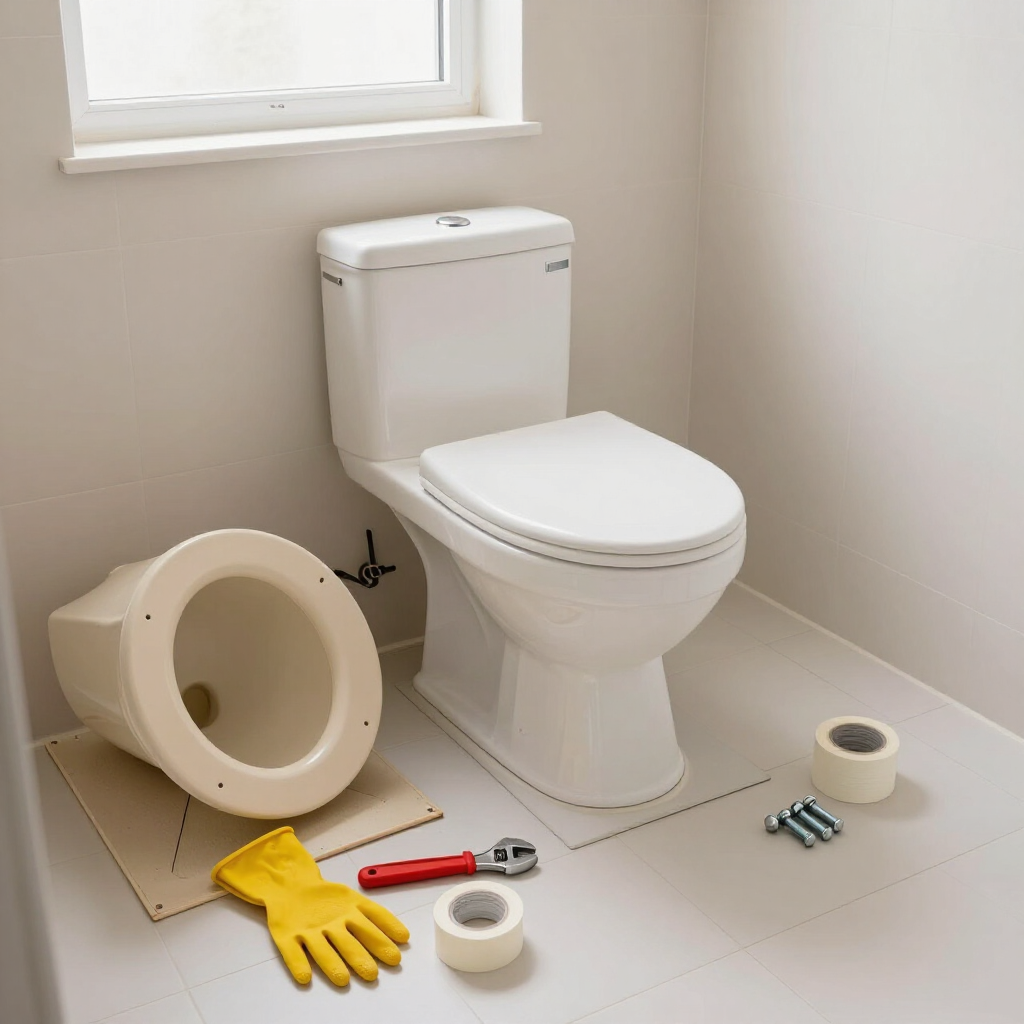
Step 5: Set a new wax ring or extender kit, bolt down the new toilet, and level it.
Step 6: Reconnect the supply line, run a test flush, and check for leaks at the base and tank fittings.
Most straightforward swaps wrap up in one to two hours. But in Applewood and Lamar Heights — homes built in the 1940s through 1960s — cast iron flanges are common and often cracked or partially rusted. That can extend the job. Your technician will tell you what they find before touching anything.
We protect your floor throughout and haul the old toilet away when we're done. And always flush the supply line before connecting the new fill valve. In Lakewood, inlet screens clog solid with calcite deposits and make a brand-new fill valve look defective right out of the box.
How Lakewood's Water Pressure and Hardness Affect Toilet Lifespan
Lakewood's water from Denver Water runs at 130–180 ppm hardness — roughly 8 to 10 grains per gallon. That's hard enough to cause real buildup inside tank components and supply fittings, and it affects homes across every neighborhood.
Shutoff valves calcify open. Supply inlet screens clog. Flappers degrade faster than manufacturers estimate — because those estimates assume average water conditions, not Lakewood's. Knowing this upfront lets us build the replacement scope correctly from the start: new angle stop, flushed supply line, and a fill valve rated for high-pressure use.
Street-side static pressure in older Lakewood zones regularly exceeds 85 PSI. Homes without a working pressure-reducing valve are running toilet internals hard every single day.
Budget a new angle stop on every toilet swap in Lakewood. Leaving a calcified shutoff in place after installing a new toilet is the most common source of callbacks we see on this job type. It's a five-minute fix that prevents a return call six months later.
What to Know About Toilet Flanges Before Installation Day
The closet flange anchors the toilet to the drain line. If it's cracked, tilted, or sitting too low, no wax ring will seal the toilet correctly — and you'll end up with leaks, odors, and floor damage.
In Lakewood, flange problems are especially common in slab-on-grade homes built in the 1960s through 1980s. Expansive Bentonite clay soil causes seasonal floor movement of one to three inches. That movement works on the flange over time.
In Green Valley Ranch and Bear Creek corridor homes, when we pull toilets, low or cracked flanges are the rule — not the exception. Catching this before setting the new toilet prevents a much bigger problem later.
So a wax ring is not a fix for a low or tilted flange. Use an extender kit rated for the actual gap, or grind out and reset the flange properly. While the toilet is off, check drain line pitch too. Slab shift in these homes can rob you of the fall the drain needs to clear cleanly.
How to Choose the Right Toilet for Your Home's Rough-In
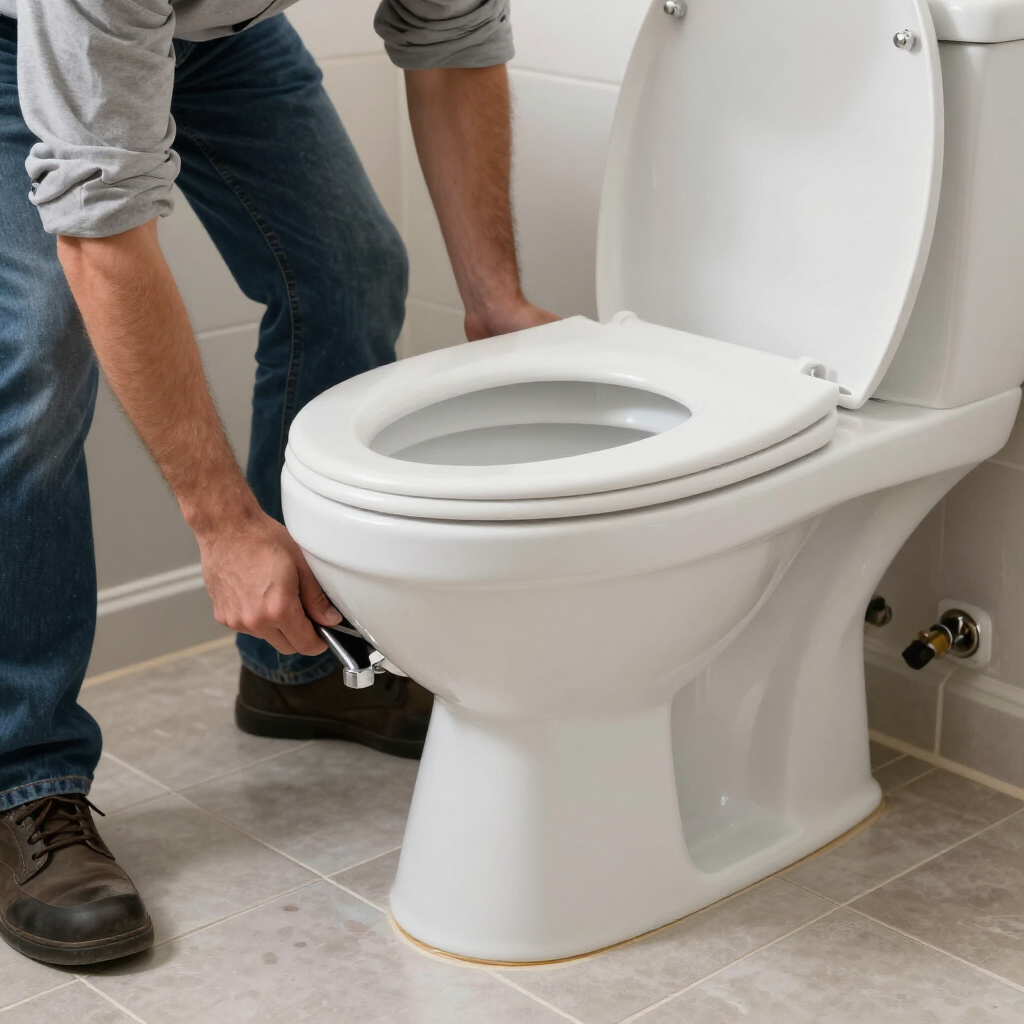
Rough-in distance — measured from the finished wall to the center of the drain — determines which toilets will physically fit your bathroom. Getting this wrong means a wasted trip and a restocking fee.
Most post-1980s Lakewood homes use a standard 12-inch rough-in. But 1950s-era homes in Applewood and Estes subdivisions often measure 10 inches, which cuts the available models down sharply. And in Solterra and Belmar-area townhomes — built in the 2000s and 2010s — wall-hung or concealed-carrier toilets are sometimes spec'd to HOA standards. Confirm the rough-in and drain configuration before quoting a standard replacement in those developments.
But confirm the rough-in before the appointment, not during it. Half the scope changes we see in Solterra and Belmar units happen because the floor-mount looked standard until the wax ring came off and the drain configuration was something else entirely. A tape measure and two minutes saves everyone time.
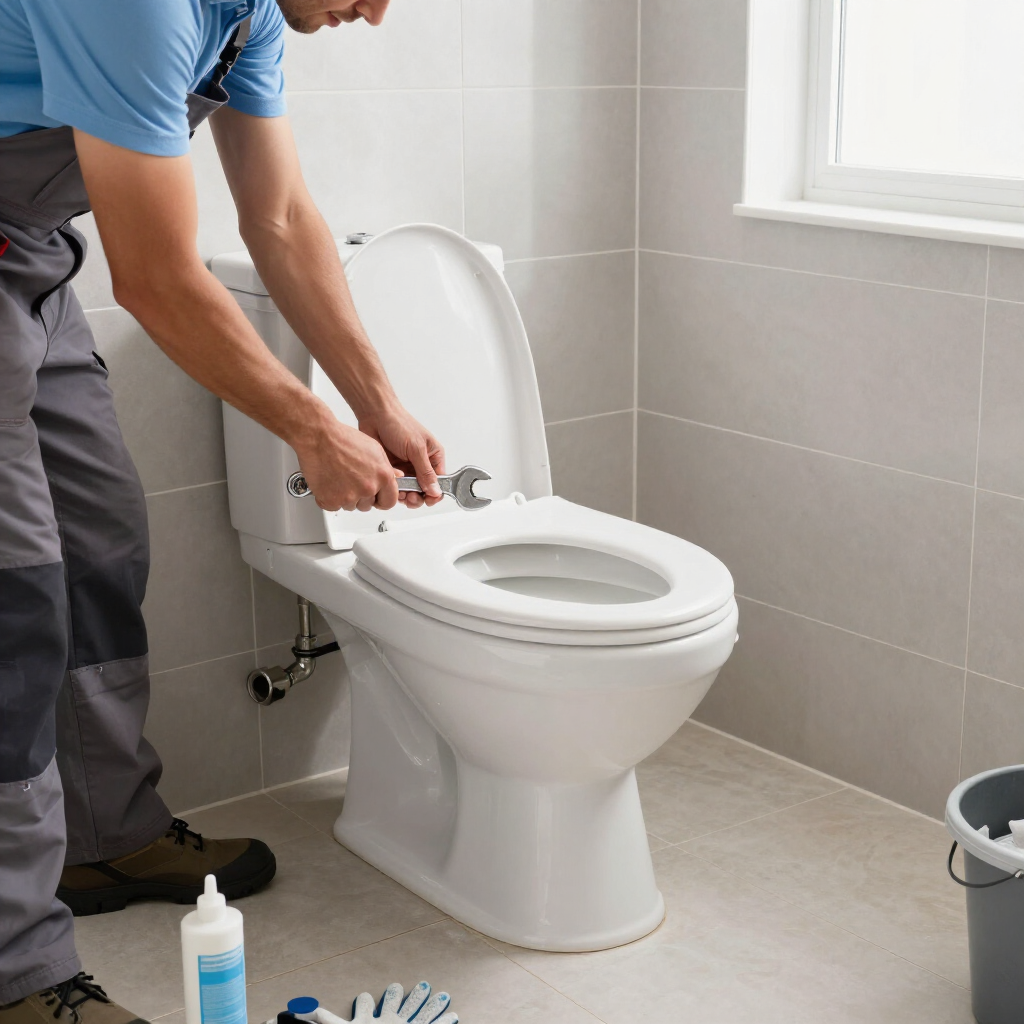
What Happens to Your Old Toilet After We Remove It
We disconnect, remove, and haul the old toilet as part of the replacement job. You don't need to arrange anything separately.
This matters for Lakewood homeowners without a truck, and it especially matters for residents in HOA communities like Solterra or Belmar where leaving a toilet at the curb isn't allowed. Jefferson County has specific bulky-item disposal rules. As a Lakewood-based plumber, we handle haul-out in compliance with local requirements — no fines, no HOA violations.
Old toilets in Applewood and Lamar Heights homes sometimes contain lead-based fittings or cast iron internal components. We treat those as hazardous-adjacent materials and dispose of them properly rather than tossing them curbside.
Frequently Asked Questions
How long does toilet replacement take in Lakewood?
Most Lakewood toilet replacements finish in one to two hours for a straightforward swap. Flange repair, PRV replacement, or shutoff valve issues can add time — your technician will flag these before starting work.
Do I need a permit to replace a toilet in Lakewood, CO?
A straight like-for-like toilet swap in Lakewood typically does not require a permit. If drain line work or flange reconstruction is needed, permit requirements may apply — we confirm this based on actual job scope.
Can any toilet be installed in my Lakewood home?
Not every toilet fits every home — rough-in distance, drain configuration, and water pressure rating all affect compatibility. Homes in Applewood (10-inch rough-in) and Solterra (concealed-carrier units) have specific requirements that must be confirmed before a toilet is ordered.
Why does my new toilet keep running in Lakewood?
High water pressure is the most common cause of early fill valve failure in Lakewood homes. If your street-side pressure exceeds 80 PSI and your home lacks a working PRV, the fill valve is under constant stress — have the PRV inspected as part of any toilet repair or replacement call.
Should I replace a 20-year-old toilet or just repair it?
Replace it — a 20-year-old toilet has likely had its fill valve, flapper, and flush valve degraded through years of Lakewood's hard water and high pressure. Repeated repairs on an aging unit cost more over 12 months than a single replacement visit.
What is included in a toilet replacement service call?
Removal of the old toilet, flange inspection, new wax ring or extender, installation and leveling of the new toilet, shutoff valve replacement, supply line connection, and a full leak check are all included. Haul-away of the old unit is included as well.