Basement Bathroom Plumbing in Lakewood, CO — Done Right the First Time
Ready to add a bathroom to your Lakewood basement? We handle the entire project — drain lines to final fixture connections — under one licensed plumber who pulls your permits, plans your drainage, and keeps everything on track for inspection. No flooded slabs. No failed rough-
ins. No shortcuts on drain slope. Read through how the process works, then give us a call or book online.
Licensed & Insured
24/7 Emergency Service
Locally Owned
Satisfaction Guaranteed
Basement finishing projects are picking up across Lakewood, and a bathroom is usually the feature that makes the space genuinely usable. Whether you're building out a guest suite in Applewood, converting a lower level in Belmar into a rental unit, or setting up an aging-in-place space for family in Westland, a functional basement bathroom changes what the square footage can do for you. We manage rough-in plumbing, drainage planning, permit coordination, and finish connections — the full scope.
Most rough-ins run one to three days. Permits get pulled before any work begins. A licensed Lakewood plumber keeps your project moving and your inspection ready.
What Basement Bathroom Rough-In Plumbing Actually Involves
Rough-in plumbing lays the foundation that everything else connects to later. During this phase, all the drain lines, supply lines, and vent pipes go into the walls and floor — before any fixtures are installed. Toilets, sinks, and showers come in at finish. Rough-in is the work that happens first
and gets buried under concrete and drywall.
That's exactly why this phase gets inspected before anything is covered. Catching an issue at rough-in costs far less than opening a finished wall to fix it later. Many Lakewood homes built in the 1960s and 1970s — particularly in Eiber, Glennon Heights, and Morse Park — already have
rough-in stubs in the basement slab from a prior owner's plans. We assess those stubs first to determine whether they meet current code and can be used as-is, or whether they need to be updated before we build around them
Why Basement Drainage Works Differently Than the Rest of Your Home
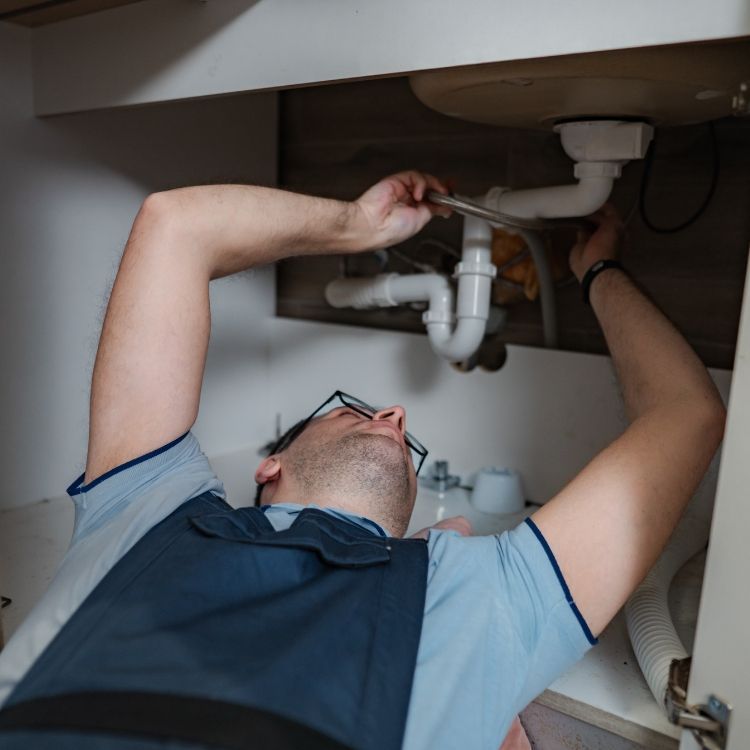
Upper-floor bathrooms drain by gravity because the floor sits above the main sewer line. That same principle doesn't always apply in a basement, where the slab is often at or below the level of the outgoing sewer. Gravity can't push waste uphill.
Two solutions handle this. The first is cutting through the concrete slab and setting new drain lines at the correct slope to gravity-drain into the sewer. The second is installing a sewage ejector pump system that lifts waste up and out to the main line. This drainage question is the most common challenge we work through with Lakewood homeowners adding a basement bathroom for the first time. Choosing the wrong approach upfront leads to sewage backups or a failed inspection.
Basement depth varies considerably across Lakewood neighborhoods. Homes in Bear Creek and parts of Green Mountain tend to have deeper basements, which can make gravity drainage workable where it wouldn't be in a shallower slab. We check your slab depth and existing sewer line elevation before recommending anything — the right answer depends on your specific home, not a general rule.
Permits Are Required Before Any Basement Plumbing Work Starts in Lakewood
Lakewood and Jefferson County both require a plumbing permit before rough-in work begins on a new basement bathroom. That permit triggers two inspections: one after rough-in and one after finish plumbing. Skipping the permit process creates real problems when it's time to sell the home or file an insurance claim — unpermitted plumbing work gets flagged and can require full removal and reinstallation.
We handle the permit application and schedule both inspections on your behalf. Colorado follows the state plumbing code, but Lakewood and Jefferson County layer local requirements on top of that. A plumber who knows those local rules specifically keeps the project from hitting delays that catch out-of-area contractors by surprise.
When an Upflush Toilet Is the Right Call for Your Basement
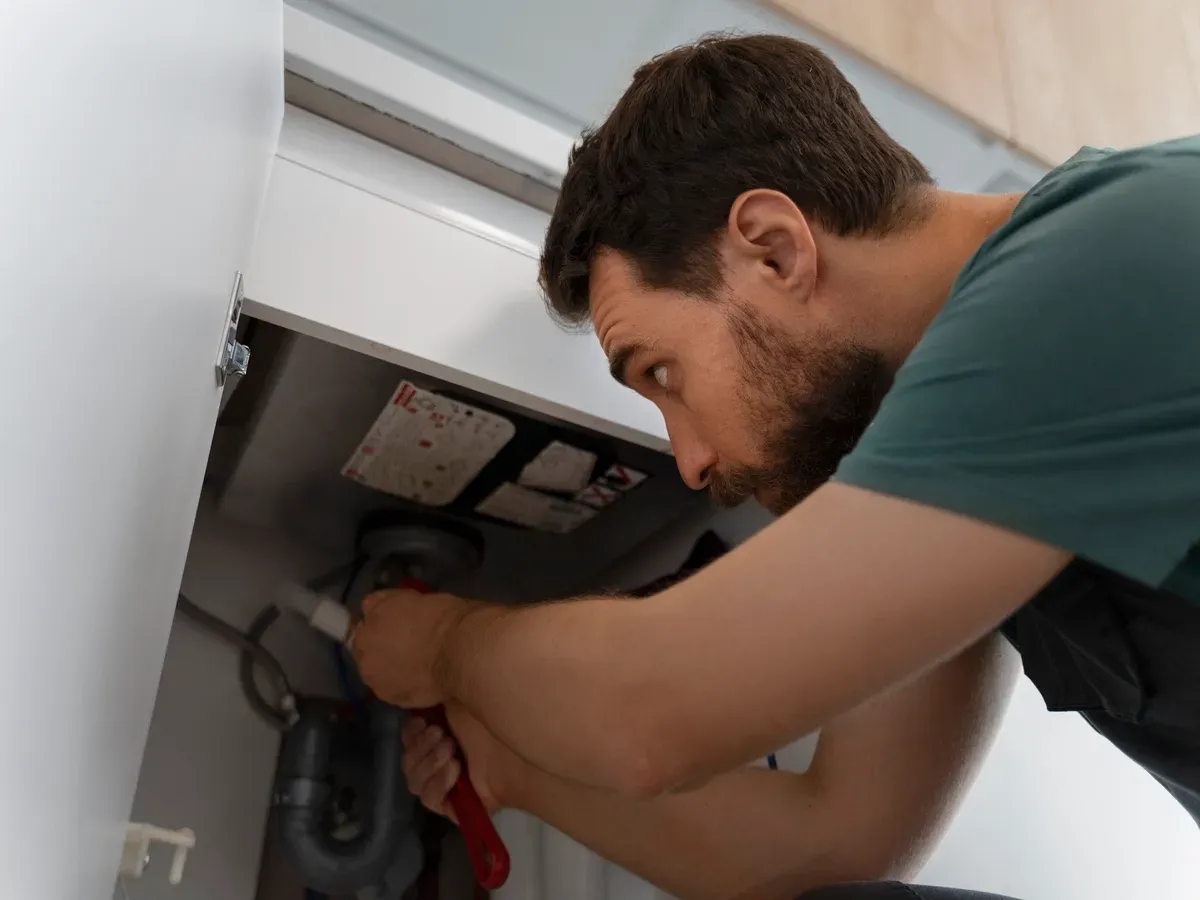
An upflush toilet uses a macerator — a small pump unit that grinds waste and pumps it up through the wall to connect with your existing drain line. No concrete cutting, no slab demo, significantly less dust and disruption. For certain basement layouts, this is a faster and cleaner path to a functioning bathroom.
It's not the right fit for every situation, so we look at your specific layout before recommending it. For Lakewood homes where cutting through the slab isn't practical — particularly in older construction throughout Kendrick Lake and Westland where slab conditions vary — an upflush system gets the job done without the mess. We'll tell you plainly which approach suits your home
and why.
What to Expect During and After the Rough-In Phase
A basement bathroom rough-in in Lakewood typically takes one to three days depending on layout complexity and slab condition. We set all drain, supply, and vent lines, then stop and wait for the inspection pass before anything gets covered. You won't have a working bathroom at this
point — that comes at finish — but you'll have a clean inspection record that keeps your contractor and framing crew on schedule.
Jefferson County inspection appointments generally run two to five business days out. We factor current wait times into your project timeline when we plan the work, so there are no surprises when your crew is waiting on a green light to close the walls.
How Finish Plumbing Completes Your Basement Bathroom
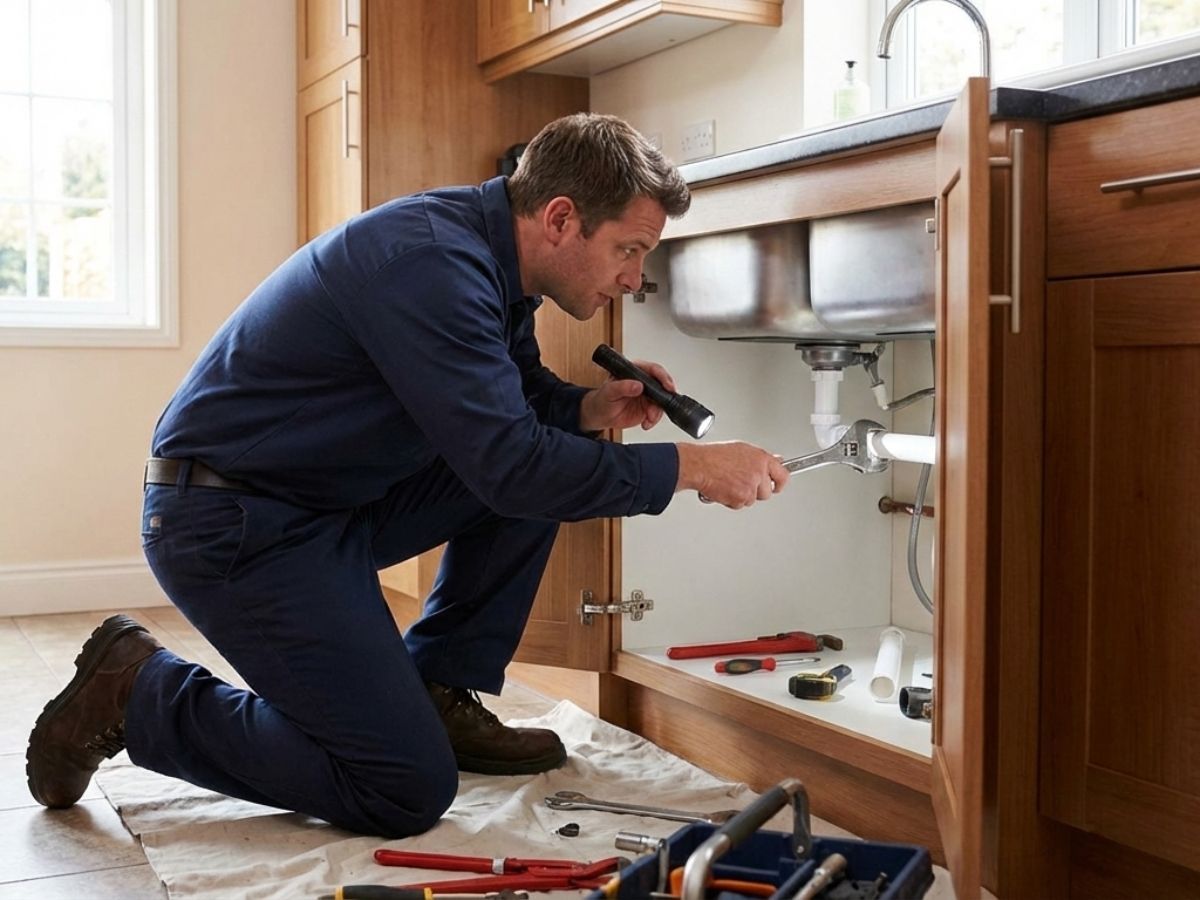
Finish plumbing is the final step. It happens after your drywall is up and your tile is done. This is when we connect and test the toilet, sink, shower valve, and any tub you have chosen. It is a shorter phase than rough-in, but it is just as important.
Leaks at this stage can damage brand-new finishes and end up being costly. We test every connection before the bathroom sees any use. Lakewood's elevation and water pressure can affect how fixtures perform. We know what to look for here locally, and we set pressure regulators correctly at finish to make sure everything works the way it should.
Frequently Asked Questions
Do I need a permit to add a basement bathroom in Lakewood, CO?
Yes. Lakewood and Jefferson County require a plumbing permit before any rough-in work begins. We pull the
permit for you, schedule both required inspections, and manage that process from start to finish. Unpermitted basement bathroom plumbing creates complications at resale and with insurance — it's not worth skipping.
How does basement bathroom drainage work if the floor is below the sewer line?
Two approaches work depending on your slab depth and sewer line elevation. Cutting through the concrete and setting sloped drain lines allows gravity drainage if the geometry is right. When it isn't, a sewage ejector pump system lifts waste up to the main line. We check your specific
measurements before recommending which solution fits your home.
What is an upflush toilet and is it a good option for a Lakewood basement?
An upflush toilet uses a macerator pump to grind and push waste up through the wall to an existing drain connection — no slab cutting required. It's a practical option in Lakewood basements where cutting the concrete isn't feasible or where slab conditions make traditional trenching
complicated. We evaluate your layout and give you a straight comparison of both options
How long does basement bathroom rough-in plumbing take in Lakewood?
One to three days for most projects. Layout complexity and existing slab conditions are the main variables. Homes
in older Lakewood neighborhoods like Eiber or Glennon Heights sometimes have pre-existing rough-in stubs that need assessment, which can affect the starting timeline. We'll give you a realistic estimate once we've seen the space.
Can any Lakewood basement have a bathroom added?
Most can, though the approach varies.
Slab depth, existing drain infrastructure, and proximity to the main sewer line all factor into what's possible and what method makes the most sense. Very shallow slabs or post-tension
concrete construction — occasionally found in certain Lakewood renovations — may require an upflush solution rather than conventional trenching. We assess all of this before the project starts.
What is the difference between rough-in plumbing and finish plumbing in a basement bathroom?
Rough-in sets all the hidden pipes — drain lines, supply lines, and vents — inside your walls and floors before anything closes up. Finish plumbing comes later and is when we install and connect the toilet, sink, shower, and any other fixtures after your drywall and tile are already in place.