
Plumbing Leak Repair in Lakewood, CO
Licensed plumbers serving Lakewood and the surrounding Jefferson County area for water line, pipe, and slab leak repair.
Call today to schedule same-day service — stop the damage before it spreads.
In Lakewood, CO, plumbing leaks don't wait for a convenient time — and neither should your repair. Whether you're dealing with a dripping wall, a wet spot on the floor, a water bill that doubled without explanation, or a pipe that burst during the last cold snap, OnCall Drain & Sewer handles it all. We're a licensed, family-owned plumbing company based right here in Lakewood, not a national call center routing jobs to whoever picks up.
This page covers pipe leak repair, slab leaks, pinhole leaks, PEX crimp failures, and buried line leaks. When you call, a tech comes out, tests your system, and tells you exactly what's going on before any work starts. No guessing. No pressure.
Here's something most plumbers don't mention upfront: Denver Water feeds Lakewood through a pressure-zone system, and lower-elevation areas like Green Mountain and Belmar regularly see static water pressure between 90 and 110 PSI. The residential limit a pressure-reducing valve is built to handle is 80 PSI. That gap is why pinhole copper leaks and flex-line failures are so common here. Every tech we send to a Lakewood leak call tests static pressure before diagnosing anything else. It's the first step, every time.

What Plumbing Leak Repair Actually Involves
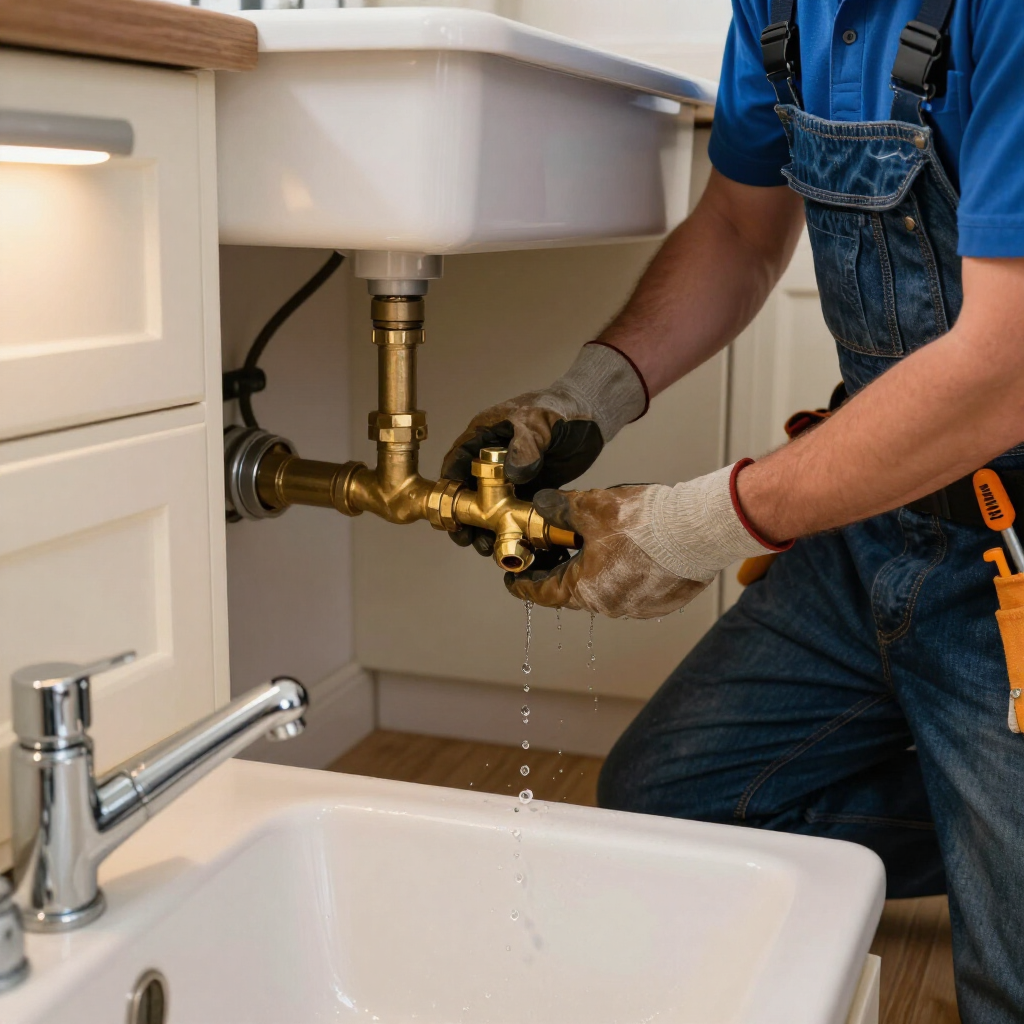
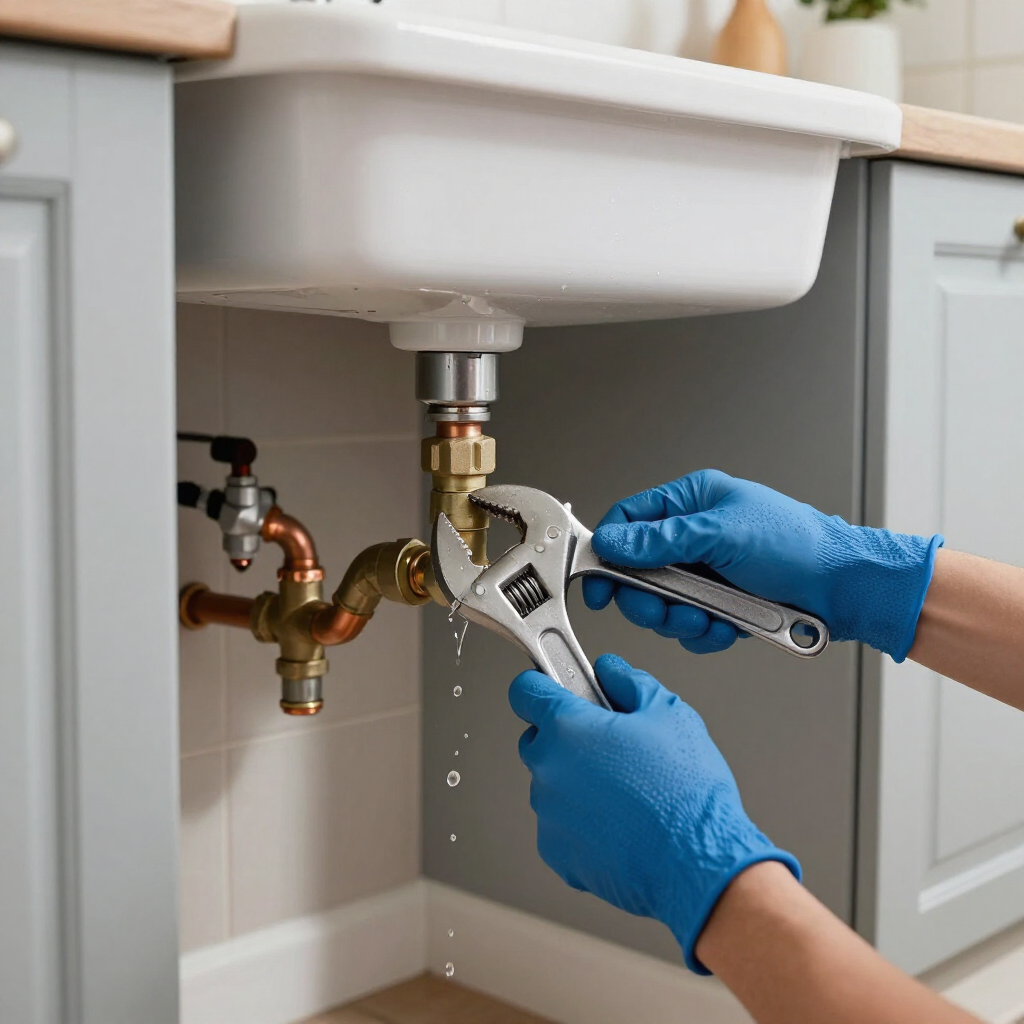
Leak repair starts with finding the source — not patching the wet spot and hoping it holds. A plumber isolates the affected line, tests pressure, and confirms the exact failure point before cutting or patching anything. From there, repairs range from swapping a single fitting to repiping a corroded section.
If you're seeing water stains on a wall, hearing water run when nothing's on, or watching your bill climb for no clear reason, this process applies to you. Surface fixes miss root causes. And root causes don't fix themselves.
In Lakewood, high municipal supply pressure means one failing fitting is often a signal the whole system is under stress — not an isolated problem. What looks like a single leak is sometimes the weakest point in a line that's been over-pressurized for years. One thing we see constantly on Lakewood calls is a PRV in Green Mountain or Belmar that's blown silently — the homeowner has no idea pressure is running at 100-plus PSI until a fitting gives out somewhere downstream.
Common Signs You Have a Hidden Leak in Your Lakewood Home
Most leaks don't announce themselves. Water travels along framing, insulation, and concrete before it ever shows at the surface. By the time you see the stain, the damage behind the wall is already weeks or months ahead of it.
Watch for these signs:
- Wall staining or bubbling paint with no obvious cause
- Soft or warped flooring near plumbing fixtures
- Musty smell in a bathroom, laundry room, or crawl space
- Sound of running water when every fixture is off
- Water bill that spiked without a change in usage
Lakewood's 1960s and 70s ranch-style homes carry extra risk. Builders in that era ran copper supply lines through exterior wall cavities with little to no insulation. Those pipes are exposed. And after sustained cold snaps — consecutive nights below five degrees — northwest-corner bathrooms and hose bib stub-outs are the first places to check.
What homeowners don't realize is that freeze-burst calls in Lakewood almost always trace back to the north or west exterior walls. Builders ran copper through those cavities with no insulation gap. The pipe splits at the sweated elbow, not the straight run — so the drip doesn't show up where you'd expect it.
Why Lakewood's Water Pressure Causes More Leaks Than Most Cities
Denver Water steps pressure down from the Foothills treatment plant through a series of pressure zones. In lower-elevation areas of Lakewood — especially Green Mountain and Belmar — static pressure at the meter regularly hits 90 to 110 PSI. A residential PRV is designed to hold at 80 PSI. That's not a small gap.
When a PRV fails or was never installed, that pressure runs unchecked through every fitting, flex connector, and appliance in the house. It accelerates pinhole leaks in copper lines. It shortens the life of braided supply lines under sinks and behind toilets. And it does all of this quietly, with no visible warning.
Installing or replacing a PRV protects every fixture downstream — not just the one that already leaked. But it has to be working. A valve that looks fine from the outside can be failed internally for years.
So when we say we test static pressure first on every Lakewood leak call, this is why. Nine out of ten slab leak calls in Green Mountain turn up a blown PRV or no PRV at all. The valve fails silently — no alarm, no obvious sign — just unregulated pressure grinding down the pipe system year after year.
How Slab Leaks Happen in Lakewood's Expansive Clay Soil
The Front Range sits on bentonite-heavy clay. That soil expands 30 to 40 percent when it absorbs moisture and contracts hard during dry stretches. Over years of seasonal cycling, that movement stresses buried copper lines under concrete slabs — slowly working fittings loose without any single dramatic event.
This is most common in older Lakewood neighborhoods built on undisturbed native soil — especially west toward the hogbacks and north toward Applewood. The soil there hasn't been replaced or stabilized. It moves every season.
A single pinhole leak in these areas is rarely the whole story. It's usually a stressed section of line, not one isolated failure point. Pressure-testing the full loop — not just the wet section — catches adjacent weak points before they fail separately. But the test has to cover the whole run.
On slab leak calls in west Lakewood, the leak is almost never just one pinhole. It's a section of line that's been micro-bending for a decade. Fix only the wet spot and you'll be back within a year. We pressure-test the full loop before closing the slab — every time.
What to Expect During a Pipe Leak Repair Appointment
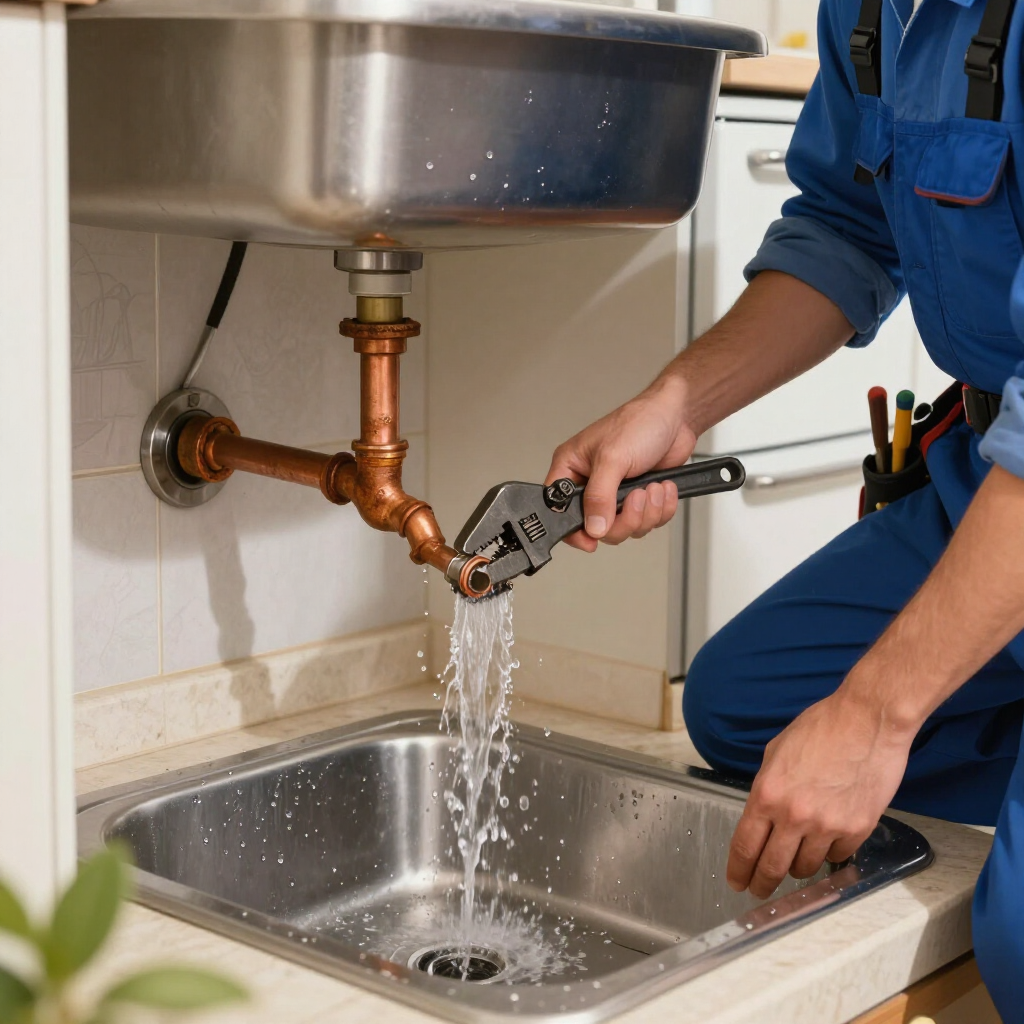
Here's how a Lakewood leak call goes, start to finish. The tech arrives, tests static water pressure, locates the leak using pressure drop readings or visual inspection, performs the repair, then re-tests the line before leaving. No walls open until the source is confirmed.
That sequence matters. Opening drywall before confirming the source wastes time and money — especially in Belmar townhomes where the mechanical closet manifold is often the actual problem. Weeping PEX-B crimp rings at manifold branch points are a common slow-seep source in that corridor, and they're accessible without touching a single wall.
By the time the tech leaves your driveway, you know what was found, what was fixed, and how the system tested after the repair. No open loops.
Belmar townhome leak calls often trace back to a manifold crimp ring that's been wicking into drywall for months. Pull the access panel first. Don't start cutting walls until the manifold is ruled out — it saves the homeowner thousands in drywall repair, and we'd rather find it in ten minutes than after we've already opened the ceiling.
How to Know If a DIY Fix Will Hold — or When to Call a Plumber
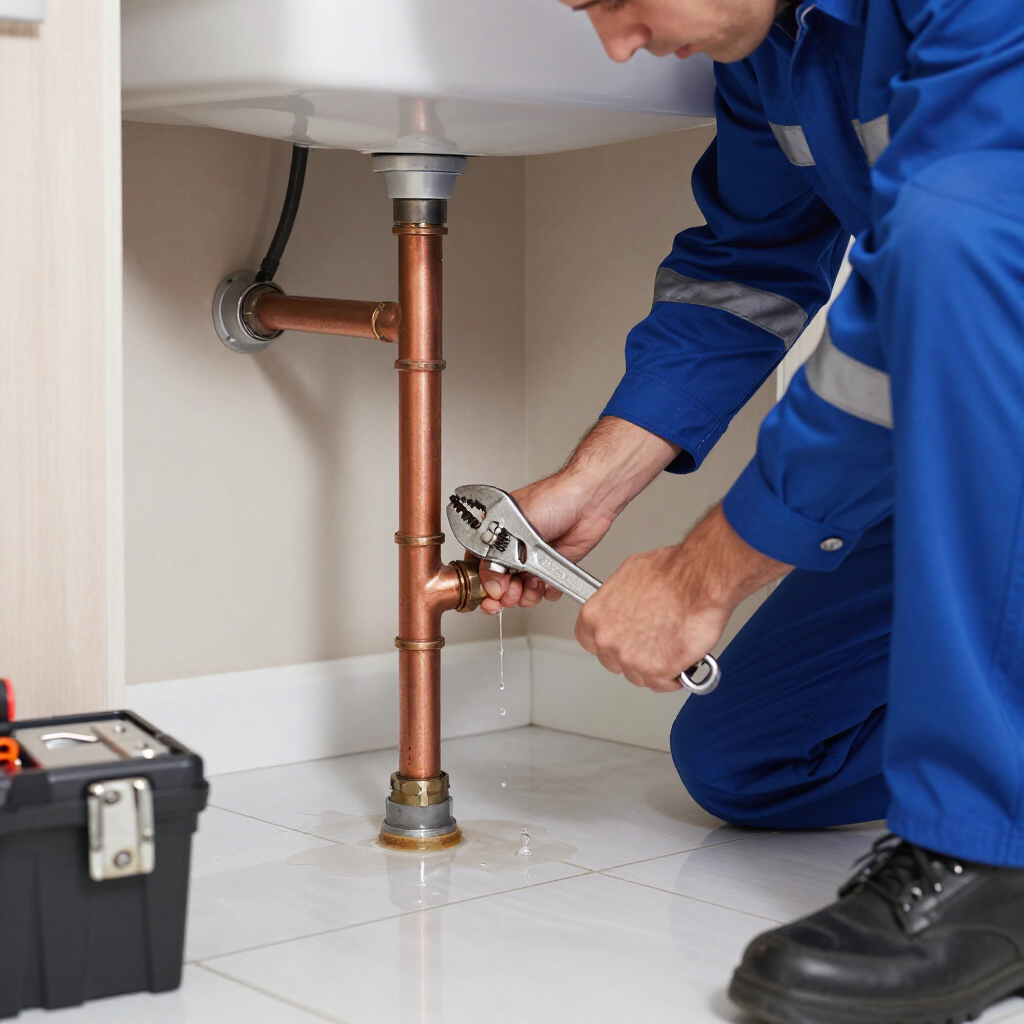
Sealant tape, push-fit clamps, and epoxy putty can stop a drip temporarily on low-pressure PVC drain lines. That's the limit. They do not hold on pressurized copper, galvanized, or PEX supply lines — especially not at joints or fittings — and they are not rated for the pressure levels common in parts of Lakewood.
A temporary clamp on a supply line buys time. It does not fix the cause. And in high-pressure zones, an improper patch can fail suddenly, not slowly.
In Applewood homes with remaining galvanized supply lines, patching one joint just masks a failing pipe wall. The real problem is upstream. Scope the accessible galvanized run before closing anything.
What homeowners don't realize is that Applewood leak calls described as "came out of nowhere" are almost always a galvanized section upstream of a copper addition from the 1990s. The pipe wall was failing for years. Patch the copper joint and the next galvanized section blows in six months. Scope first, close second.
What Causes Plumbing Leaks in Lakewood, CO Homes?
Plumbing leaks in Lakewood, CO most often trace back to high municipal water pressure, aging pipe materials, or seasonal soil movement. Denver Water's pressure zones push static pressure to 90–110 PSI in parts of Lakewood — above what most residential PRVs are rated to handle long-term. A licensed plumber will test static pressure first, then locate the leak before any repair begins.
Common causes include:
- Failed or missing pressure-reducing valves (PRVs) on Green Mountain and Belmar homes
- Expansive bentonite clay soil that shifts copper slab lines out of their fittings over time
- Aging galvanized steel supply lines in Applewood-area homes built before 1980
Frequently Asked Questions
Can I fix a plumbing leak myself?
You can fix some leaks — but supply line leaks usually need a plumber. Drain line drips on PVC may hold with push-fit fittings if pressure is low. Supply line failures — especially in Lakewood's high-pressure zones — need proper fittings and pressure testing to confirm the repair holds before you close anything up.
What is the best sealant for a leaking pipe?
No sealant is reliable on pressurized supply lines long-term. Thread sealant and PTFE tape are appropriate for threaded connections on low-movement fittings. Epoxy putty and clamp wraps are emergency-only measures. A licensed plumber in Lakewood will replace the failed section rather than seal over it.
How do I fix a leak in PVC plumbing?
Cut out the damaged section and use a slip-fix coupling with primer and solvent cement. That's the right fix for a PVC drain line. Supply-side PVC leaks in Lakewood are less common — most supply lines here are copper or PEX. A plumber confirms the line type before recommending a repair method.
Can plumber's putty stop a PVC pipe leak?
No — plumber's putty does not seal pipe leaks. Putty is for drain strainer and faucet base seating only. It does not bond to PVC under pressure and will not hold on a leaking joint or crack. Use solvent cement on PVC joints, or call a plumber.
How do I know if I have a slab leak in Lakewood?
Warm spots on the floor and a rising water bill are the first signs. Other indicators include the sound of running water when all fixtures are off, unexplained wet carpet near baseboards, or a sudden drop in water pressure. Lakewood's clay soil makes slab leaks more common in older west-side homes — a plumber can pressure-test and locate the line without full slab demolition.
Will high water pressure cause leaks in my Lakewood home?
Yes — unregulated pressure above 80 PSI damages fittings over time. Denver Water supplies parts of Lakewood at 90–110 PSI. A failing or missing PRV lets that pressure run unchecked through every fixture and connection in your home. A plumber tests static pressure on arrival and can install or replace a PRV as part of the same leak repair visit.