
Plumbing Leak Detection in Lakewood, CO
We find hidden water leaks in Lakewood homes — under slabs, inside walls, and along sewer lines.
Same-day leak detection available — call now to stop damage before it spreads.
Hidden water leaks cause thousands of dollars in damage in Lakewood, CO — often before you notice a single wet spot. We find them fast. OnCall Drain & Sewer is a licensed, insured, family-owned plumbing company serving Lakewood homeowners with same-day leak detection. We use acoustic listening equipment and tracer gas to locate slab leaks, pinhole leaks, pipe leaks, and sewer lateral failures — without opening walls or breaking concrete until we know exactly where the problem is.
Denver Water supplies Lakewood at 90–110 PSI in older neighborhoods like West Colfax and Belmar. That's well above the 80 PSI residential limit. On pre-2005 homes, a failed pressure-reducing valve is one of the leading causes of slab pinhole leaks here — and it's a detail most generic leak detection pages never mention. We check for it on every call.
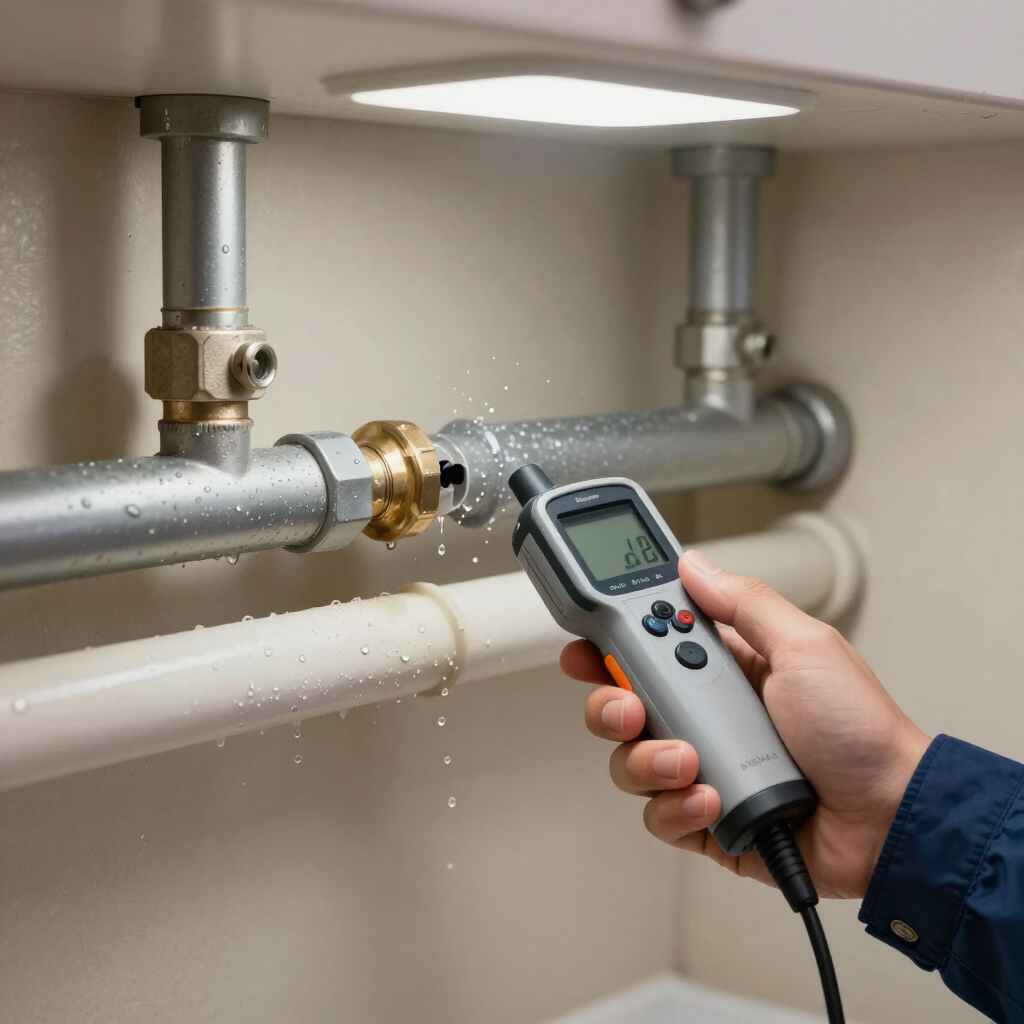
How Plumbers Detect Leaks Without Tearing Up Your Home
Modern leak detection doesn't require demolition. We use acoustic listening gear, pressure gauges, and tracer gas to locate the leak before anything gets cut. The equipment picks up the exact sound — or gas trace — of water escaping a pressurized pipe. We mark the spot on your floor or wall first. Then the work starts.
If you've noticed high water bills, warm patches on your floors, or wet drywall with no clear source, that's the pattern we look for in Lakewood homes. You only open the slab or wall where the leak actually is. No guesswork. No extra damage.
Acoustic gear works especially well on copper slab lines here because Lakewood's clay-rich soil transmits sound clearly between the pipe and the surface above. On slab leak calls, the first thing we do before running any acoustic equipment is a static pressure check at the hose bib. If it reads above 80 PSI, a failed PRV is likely the reason the line failed — not just pipe age.
What Causes Slab Leaks in Lakewood Homes
A slab leak happens when copper or galvanized pipe under your concrete foundation cracks or develops a pinhole. Water escapes under pressure and soaks the gravel bed below the slab. Left alone, it heaves flooring, feeds mold, and weakens the foundation itself.
This is most common in Lakewood homes built between 1955 and 1985 with original copper supply lines still in place. Finding the cause — not just the location — keeps the same failure from coming back two years later.
Lakewood sits on expansive bentonite clay and decomposed granite in neighborhoods like Green Mountain and Kendrick Lake. That soil shifts up to 15% seasonally. It shears slab copper and cracks laterals at the same time — which is why we often camera the sewer lateral before chasing an acoustic signal in this part of town.
On multiple Green Mountain calls, acoustic equipment pointed to active moisture movement in the slab gravel bed. But camera inspection showed the source was a cracked orangeburg sewer lateral pushing groundwater back toward the foundation — not a pressurized supply leak at all. We always camera the lateral before we go further when we're working in this area.
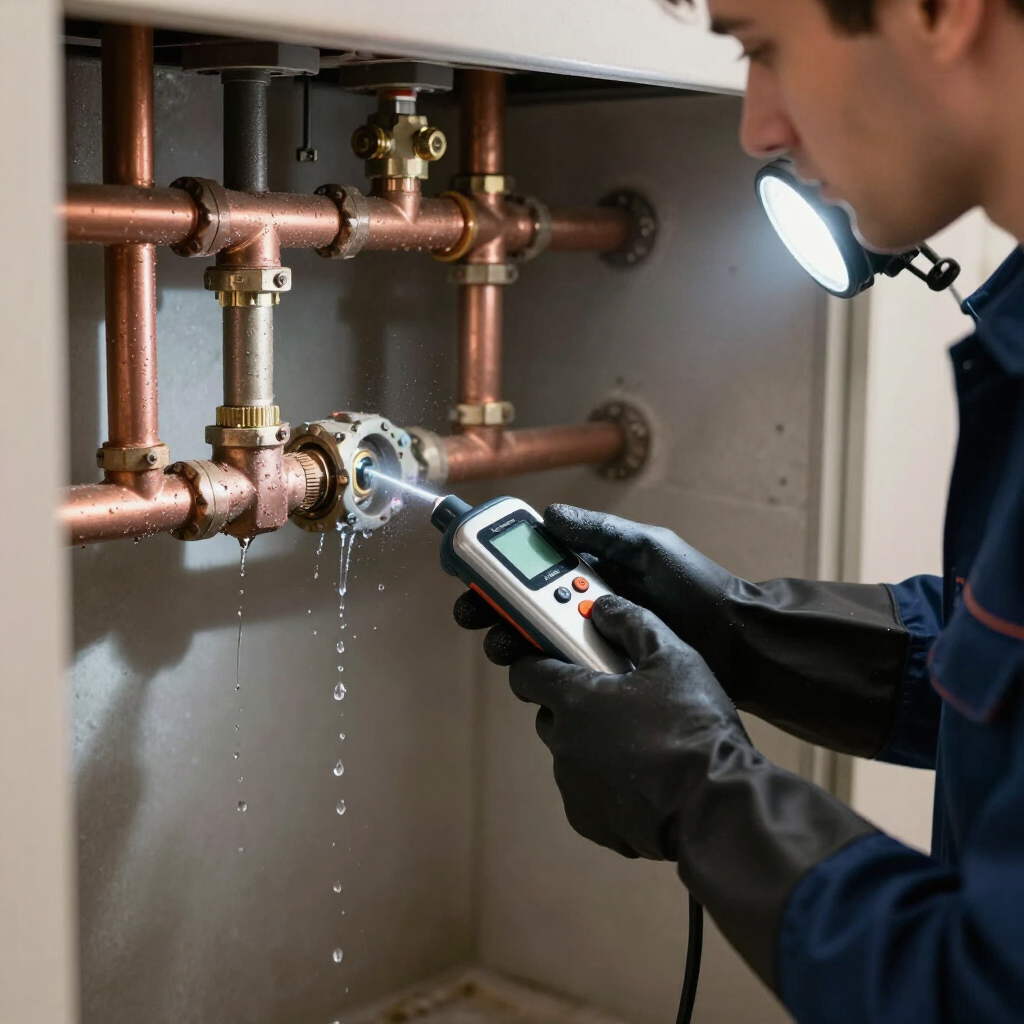
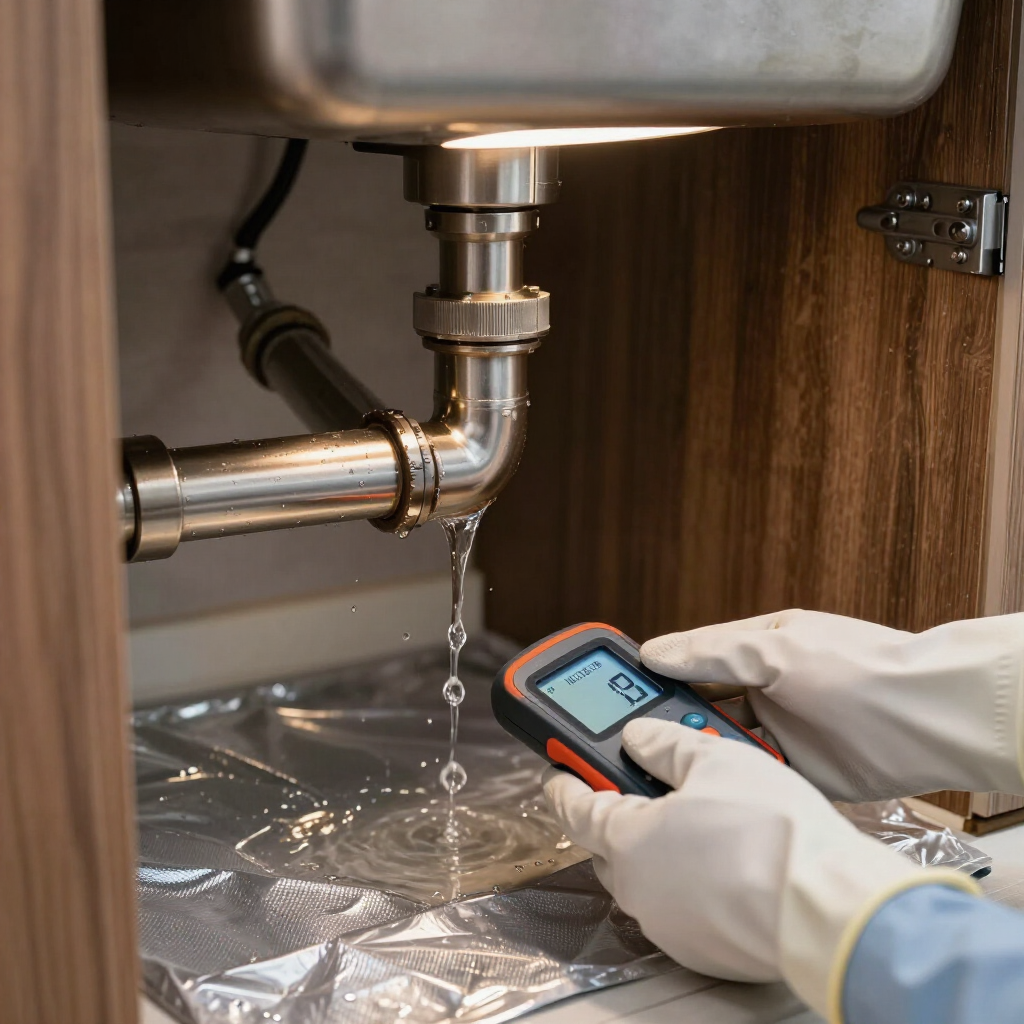
Signs You Have a Hidden Plumbing Leak
Most hidden leaks show indirect signs before anything gets wet. Rising water bills. Low pressure at fixtures. Warm or soft spots on your floor. Musty odors inside walls. Mold near baseboards or ceilings with no visible water source is a strong signal. And if you hear running water when everything is off — that's a reliable early warning.
This applies to any Lakewood home, but especially older ranch-style builds where slab lines run directly under the living area. Catching these signs early means detection and repair cost far less than replacing water-damaged subfloor or drywall.
In Lakewood's post-war Alameda corridor, uninsulated exterior garage walls are a recurring problem. A freeze-cracked pipe can weep slowly for weeks before it shows up as a wet spot inside the house. February calls here almost always trace to a copper stub inside an uninsulated exterior garage wall or a crawl space with a failed vapor barrier and open foundation vents. The insulation was never installed to begin with — it's not a case of it wearing out.
How a Leak Detection Test Works — Step by Step
A leak detection test follows a set sequence every time. First, pressure isolation. Then a pressure drop observation to confirm a leak exists. Then acoustic or tracer gas testing to pinpoint the exact location. Each step narrows it down — first to a zone, then to a point. We document everything before recommending any repair.
This matters for Lakewood homeowners, landlords, and property managers who want to know what they're paying for before work starts. You get a confirmed leak location — not a guess — before any concrete is cut or drywall is opened.
In Lakewood, Jefferson County permit requirements apply to any repair that follows detection. Knowing the exact location in advance lets us pull the correct permit before a repair crew mobilizes — which keeps your project on schedule.
So before we run acoustic equipment on a tankless water heater complaint — Navien, Rinnai, or Noritz — we rule out scale-induced flow restriction first. Denver Water hardness runs 130–180 ppm here. Calcium buildup triggers false fault codes (Navien error 10, 11, 16) that homeowners read as leak indicators. We check the heat exchanger and PRV discharge before we start chasing a signal that isn't there.

Older Lakewood Homes and Polybutylene Pipe: What You Need to Know
Polybutylene pipe — gray plastic stamped Quest or PB2110 — was installed in hundreds of Lakewood homes built between 1985 and 1997. The acetal insert fittings micro-fracture over time, producing slow intermittent leaks that don't show up on visual inspection. Standard acoustic equipment can struggle to pinpoint these without a correlator or tracer gas rig.
If your home is in Marston Lake, a south Lakewood subdivision off Jewell and Kipling, or the Belmar area and it was built in that window — this applies to you. Identifying polybutylene early lets you plan a full repipe rather than chasing individual fitting failures one by one.
If your Lakewood home has a permit year between 1987 and 1996, there's a strong chance polybutylene is still in the walls. Ask your plumber to confirm pipe material before leak detection begins. But on any Lakewood address from that build window with a wet drywall complaint, we dispatch an acoustic correlator — standard listening discs won't reliably pinpoint fitting-joint seeps on PB2110. Opening walls first wastes time and money.
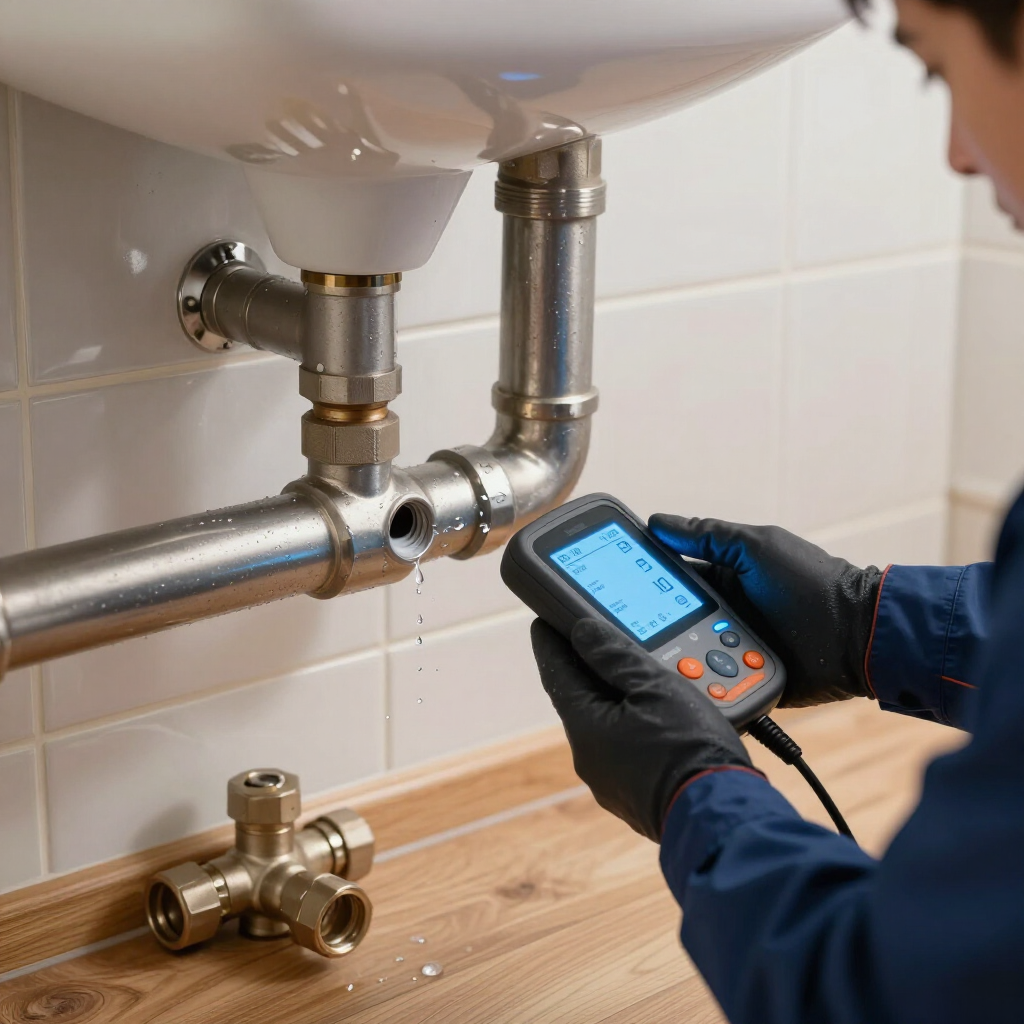
What to Do After a Leak Is Found
Once we confirm the leak location, we walk you through your repair options — spot repair, reroute, or full repipe, depending on pipe material, age, and how bad the leak is. Work doesn't start until you understand what's being fixed and why. Get the scope in writing before any slab or wall is opened.
This is especially important for Lakewood homeowners who've just received a detection result and need to decide what's next. Understanding your options prevents rushed decisions and makes sure the repair addresses the actual cause — not just the symptom.
Jefferson County requires a permit for slab leak repairs involving copper repipes or reroutes. Your plumber should pull this before work starts. An inspection is also required before the concrete is patched. After confirming a slab leak in Lakewood, we always check whether the PRV has been replaced or correctly sized. If it hasn't, a new copper reroute running at 100+ PSI will develop the same pinhole pattern within a few years. The repair isn't complete until the pressure problem is fixed too.
Frequently Asked Questions
How do plumbers find a leak without breaking walls or concrete?
Acoustic listening tools and tracer gas locate leaks from the surface — no cutting required until the exact spot is confirmed. The equipment picks up the sound or chemical trace of escaping water through slab, soil, or drywall. In Lakewood, we also run a pressure drop test first to confirm a leak exists before any equipment is deployed.
What is the most common plumbing leak in Lakewood homes?
Slab pinhole leaks in copper supply lines are the most frequent call — often caused by high municipal water pressure combined with aging pipe. Denver Water delivers water at 90–110 PSI in older Lakewood neighborhoods, well above the 80 PSI residential limit. A failed PRV is behind many of these cases, not just pipe age.
How long does a leak detection visit take?
Most Lakewood leak detection visits take one to two hours from arrival to confirmed location. More complex cases — like polybutylene pipe in walls or possible sewer lateral involvement — may take longer. You'll get a confirmed location and a repair recommendation before the tech leaves.
Can I check for a plumbing leak myself before calling a plumber?
Yes — turn off all fixtures and appliances, then watch your water meter for movement over 15 minutes. If the meter moves with everything off, you have an active leak somewhere in the system. This test confirms a leak exists but won't tell you where — that requires professional detection equipment.
Do I need a permit for leak detection or just for the repair?
Leak detection itself does not require a permit in Lakewood or Jefferson County. Any repair that follows — especially a slab copper repipe or reroute — does require a Jefferson County plumbing permit. Your plumber should pull this before opening the slab, and an inspection is required before the concrete is patched.
What is the difference between a slab leak and a sewer leak?
A slab leak is a break in a pressurized supply line running under your concrete foundation — it loses water continuously. A sewer lateral leak is a crack or collapse in the drain line — it doesn't hold pressure but can saturate soil under the slab. In Lakewood's Green Mountain and Heritage West areas, failing orangeburg sewer laterals are sometimes mistaken for slab leaks — camera inspection confirms which type you have.