Shower Repair in Lakewood, CO
Licensed plumbers serving Lakewood handle shower leaks, broken valves, cracked pans, and failed diverters.
Call today for same-day diagnosis — we work on all shower types across Jefferson County.
Shower problems in Lakewood run the full range — a slow drip from a valve that never fully seats, a cracked pan that is quietly soaking your subfloor, or a shower that went cold and will not come back. This page covers shower repair in Lakewood CO: valve replacement, diverter repair, cartridge swaps, pan and liner failures, and supply-side issues. Most repairs are diagnosed on the first visit. Many are done the same day.
We are a family-owned, licensed and insured plumbing company based right here in Lakewood. We identify the root cause before we turn a wrench — not just the symptom. And that matters more in this city than most, because Lakewood sits on Denver Water's distribution system, where residential water pressure in many zones runs 90–110 PSI. A failed pressure-reducing valve is one of the most common hidden causes of recurring shower valve leaks here. We check it on every valve repair call.
What Shower Repair in Lakewood Actually Covers
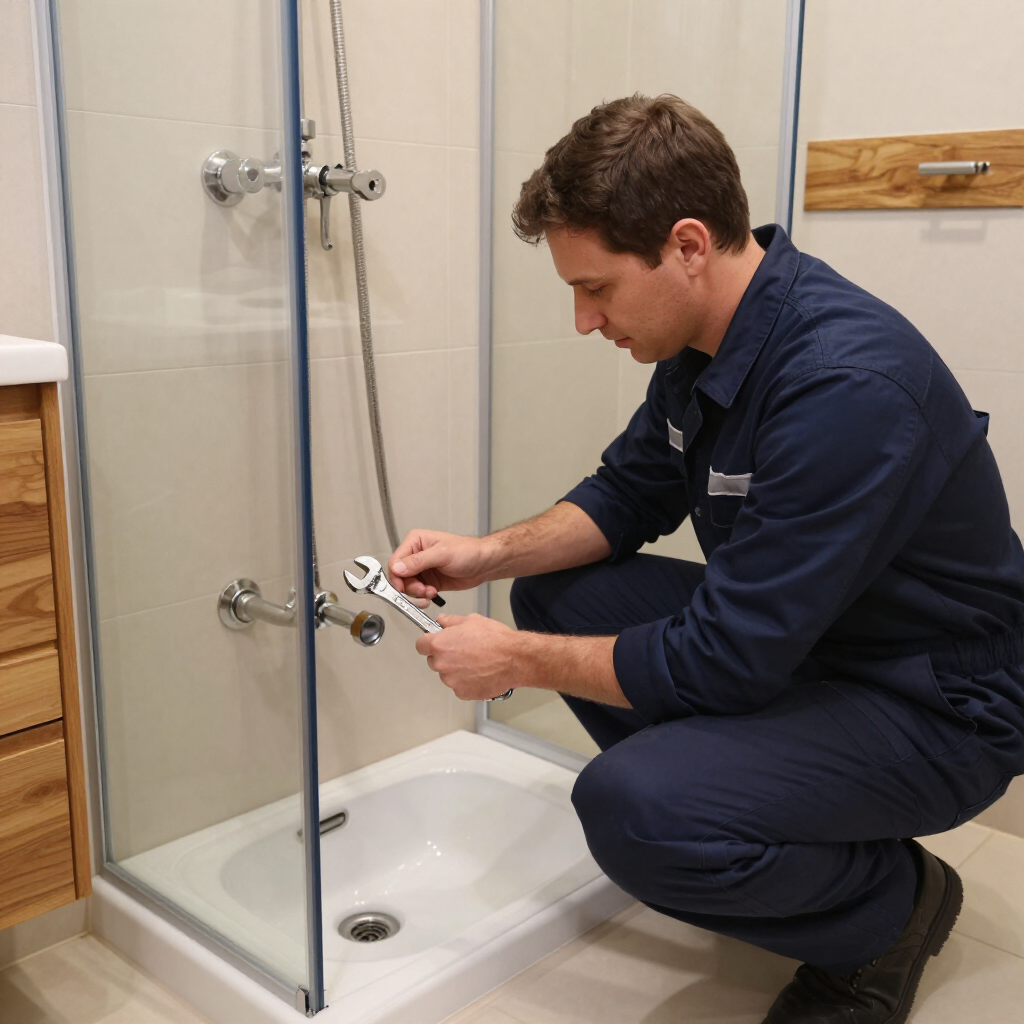
Shower repair includes any work needed to fix a shower that is leaking, losing pressure, or failing to hold temperature — valves, cartridges, diverters, pans, tile, grout, and supply lines. Homeowners call us for everything from a slow drip to a complete loss of hot water.
A proper repair visit finds the source of the problem before parts are ordered or walls are opened. Older homes in south Lakewood — especially along the Belmar and Alameda corridor — often still have galvanized steel supply lines feeding the shower valve. Debris from those pipes can destroy a new cartridge fast.
What shower repair in Lakewood includes:
- Valve and cartridge repair (Moen, Delta, Kohler, and others)
- Shower pan and liner inspection for slab movement damage
- Diverter repair and tub-to-shower supply fixes
- PRV check before any valve work — this catches the most common source of repeat failures
When a new cartridge fails inside a year, the supply stub-outs are always worth checking. If they are galvanized, the real fix is upstream — not at the valve.
Signs Your Shower Needs a Plumber, Not a DIY Fix
Some shower problems are DIY-friendly — stripped handles, worn seat washers. Others will get worse if you handle them without knowing what is behind the wall. In Lakewood, pressure-related valve failures and slab-movement pan damage are two problems that look simple but are not.
Getting the real cause right on the first call saves you from repeat service visits and tile demo you did not plan for. But there is another issue worth knowing about in specific parts of the city. Green Mountain Village and Eiber tract homes built in the 1970s and early 80s may have polybutylene supply lines — grey plastic fittings that micro-fracture and weep behind tile long before they fail visibly.
Signs you need a licensed plumber, not a YouTube tutorial:
- Valve keeps failing after being repaired
- Shower floor grout cracks every season
- New moisture stains near the base of the wall
- Pressure drops suddenly or won't hold steady
- Handle is stiff or temperature control is inconsistent
A "shower valve replacement" in a PB-plumbed home can turn into a full wall demo once the tile is opened and years of moisture damage behind the cement board shows up. So document and photograph any PB lines the moment they are visible.
How High Water Pressure in Lakewood Damages Shower Valves
Lakewood draws from Denver Water's system, and static pressure in many residential zones — especially near the foothills — runs between 90 and 110 PSI. That is well above the 60–80 PSI range most shower valves are built for. High pressure wears out thermostatic cartridges faster, causes diverters to leak, and puts constant stress on valve seats and O-rings.
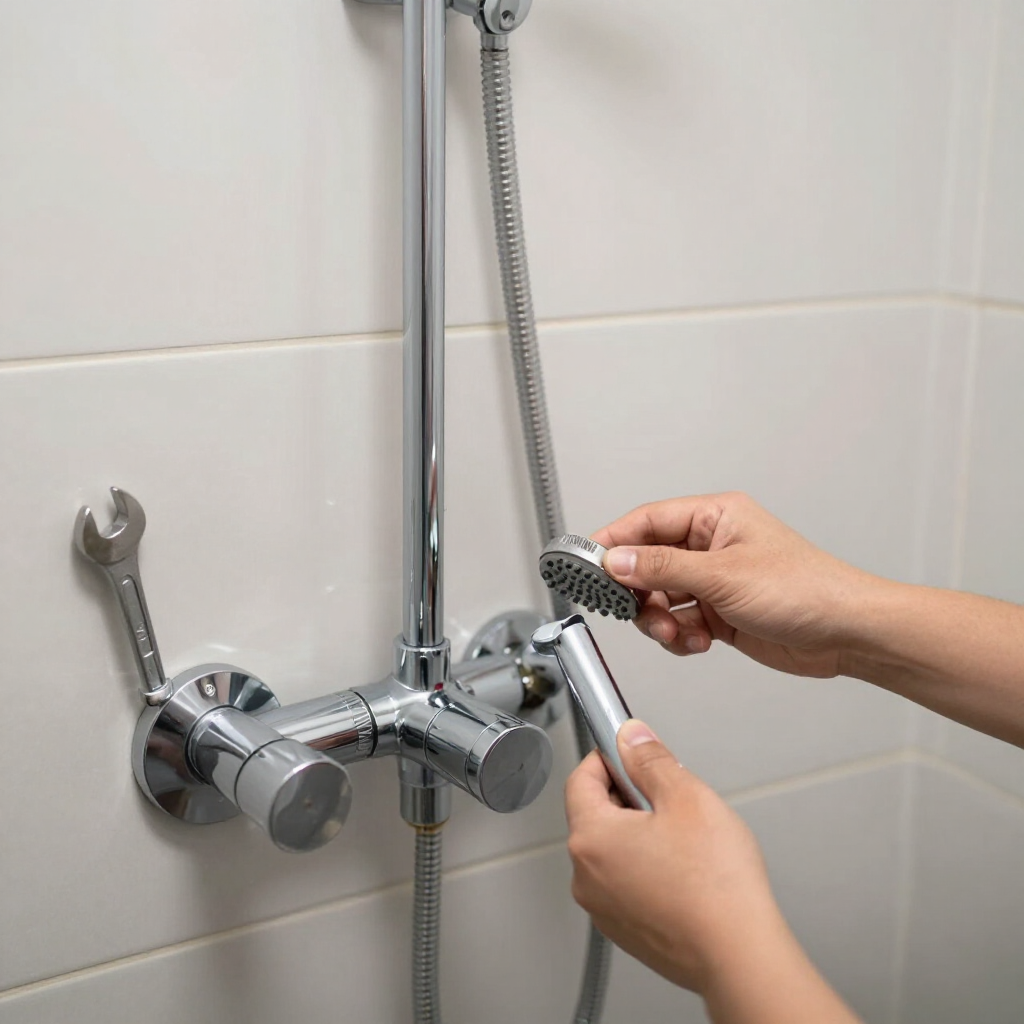
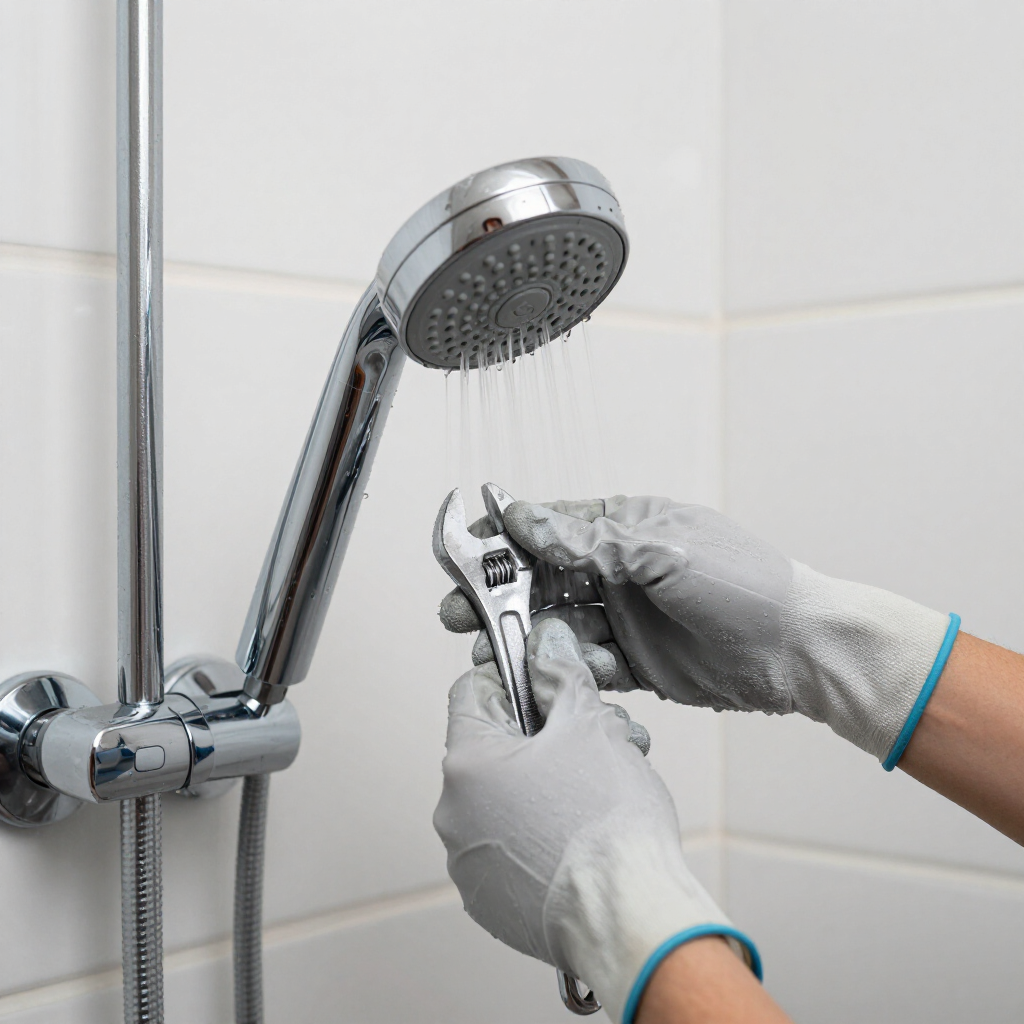
Moen Posi-Temp, Delta Monitor, and Kohler Rite-Temp cartridges all take a beating in high-pressure systems. Checking and adjusting the PRV is the first step on every valve repair call we make in Lakewood. Skip it, and the new part fails for the same reason as the old one.
Slab homes in Lakewood are required to have a PRV. But if the unit is older or was never set correctly, the factory 80 PSI setting may have drifted well above that — and most homeowners have no idea. Nine times out of ten, a shower valve that "always leaks" in Lakewood has a failed or mis-set PRV behind it. We check system pressure before touching the valve.
What to Expect During a Shower Repair Visit
We assess water pressure, inspect the valve and trim, check the diverter, and look for signs of pan or liner failure before quoting any repair. In Lakewood, that assessment also includes asking about the home's construction era, supply line material, and whether the shower sits on an exterior wall.
Most single-component repairs — cartridge swap, diverter fix, re-seat — are completed the same visit once parts are confirmed. We carry common cartridges for Moen, Delta, and Kohler on every truck.
The Eiber neighborhood and parts of Green Mountain Village are worth calling out specifically. Spotting grey PB plastic at the stop valves during the assessment changes the scope of the conversation before any work starts — and that is information you need before you commit to anything.
One thing we ask every homeowner on a Lakewood shower call: did you lose pressure fast, or slow? Fast loss points to a freeze or burst event — common in ranch homes where the shower valve sits on an exterior wall with no insulation cavity. Slow loss points to cartridge or seat wear. The answer shapes the repair before we pull anything apart.
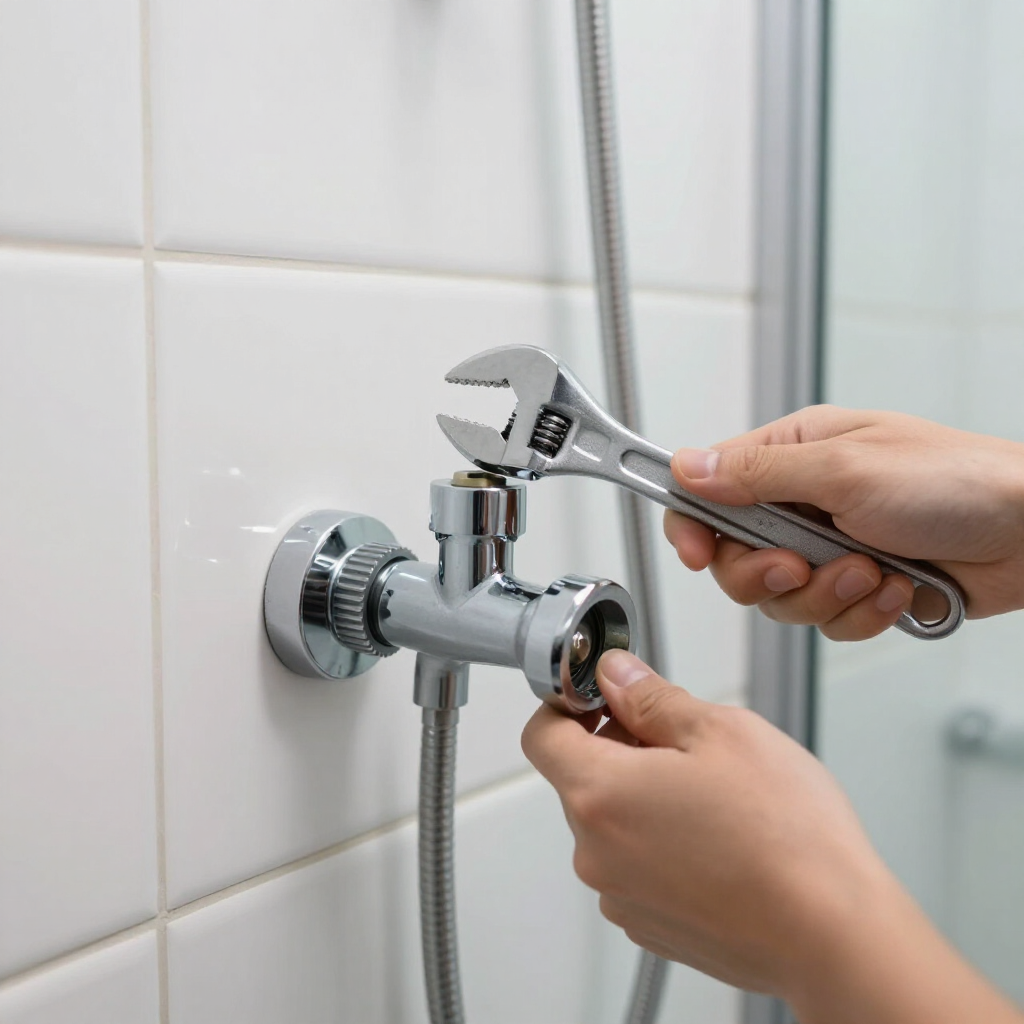
Why Lakewood's Swelling Clay Soils Crack Shower Pans and Grout
Lakewood sits on Denver and Pierre shale — both are expansive clay soils that shift when moisture content changes. In spring and after heavy rain, that ground swells. In dry spells, it contracts. And that movement goes straight into slab-on-grade homes.
The result: mortar beds crack, liner seams split, and grout lines on shower floors blow out — year after year. Homeowners who see the same grout crack come back every season are not dealing with a grout problem. They are dealing with a slab movement problem.
This issue is concentrated in the 1970s–80s slab home stock throughout central and west Lakewood. The older the home, the more seasonal cycles the liner has absorbed.
Pulling tile on what looks like a simple regrouting job has revealed shredded liner material — concrete movement cut through it from below. We probe the subfloor and check for slab heave before re-grouting any shower floor in Lakewood.
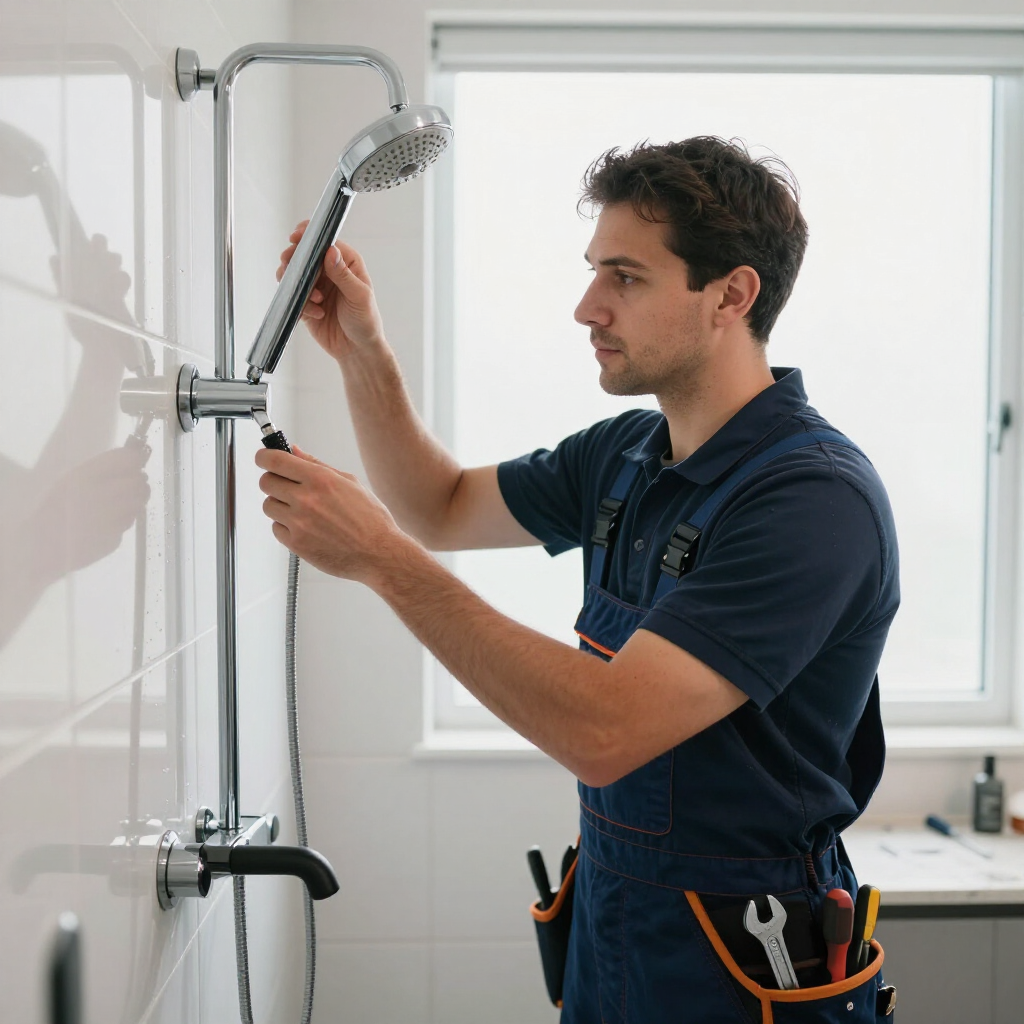
Repair vs. Replace: How to Decide for Your Lakewood Shower
Repair makes sense when the valve body is intact, the pan liner is undamaged, and supply lines are in good condition. Replacement becomes the better call when structural or material failures turn up behind the tile: PB supply lines, a shredded liner, or a cracked slab pan each change the math.
We take a repair-first approach — open only what needs to be opened, give you the facts, then let you make the call. That is how you avoid committing to a full replacement before you know what you are actually dealing with.
Scale buildup from Lakewood's moderately hard water — 130–170 ppm — can destroy thermostatic cartridges in as few as 3–5 years without a water softener. That timeline matters when you are weighing repair cost against full valve replacement. On homes with tankless water heaters, a "no hot water" shower call is sometimes a scale lockout on the heater unit itself — Navien NHW units throwing E003 or E004 codes, Rinnai units hitting LC codes — inside 4–6 years. We check the heater before assuming the shower valve is the problem.
Frequently Asked Questions
Can a shower be repaired without replacing the whole unit?
Yes — most shower problems are repairable without a full replacement. Valves, cartridges, diverters, grout, and pans can each be addressed independently. Full replacement is needed only when structural or material damage is found behind the walls.
Do I need a licensed plumber for shower repair in Lakewood?
A licensed plumber is required for any work involving supply lines, valves, or drain connections in Lakewood. DIY cartridge swaps are legal but carry real risk if pressure or supply issues go undiagnosed. Jefferson County requires permits for some shower pan and liner replacements.
Why does my shower valve keep failing after it's been repaired?
A valve that keeps failing usually has a root cause that was not fixed — most often high water pressure or debris from old galvanized supply lines. In Lakewood, a PRV check should be part of every valve repair call. If the supply stubs are galvanized steel, new cartridges will keep failing until the pipes are replaced.
Is it cheaper to repair or replace a shower in Lakewood?
Repair is almost always less expensive when the valve body, pan liner, and supply lines are in good shape. The cost gap narrows when hidden damage — PB lines, a cracked liner, slab heave — turns up during the repair. A proper diagnosis on the first visit gives you the information to make that call without guessing.
Why does my shower floor grout keep cracking every year?
Seasonal grout cracking in Lakewood is usually caused by slab movement, not bad grout. The city's expansive clay soils shift with moisture changes and stress older slab-on-grade shower pans. Regrouting without checking the liner and subfloor will not stop the cycle.
How does hard water in Lakewood affect shower valves?
Lakewood's water runs 130–170 ppm — hard enough to scale up thermostatic cartridges in 3–5 years without a water softener. Scale buildup is a leading cause of stiff handles, reduced flow, and temperature control failure. On homes with tankless water heaters, scale lockouts on the unit can mimic a shower valve problem entirely.