Water Softener Installation in Lakewood, CO — Protect Your Home
from Hard Water
Lakewood homes deal with some of the hardest water in the Denver metro area. That mineral-
heavy water leaves white scale on fixtures, shortens appliance lifespans, and slowly accumulates
inside pipes and water heaters. We install both salt-based and salt-free water softener systems
throughout Lakewood and Jefferson County. Call us or fill out our form to schedule your
installation
Hard water in Lakewood, CO is a plumbing issue as much as it is a nuisance. On this page, we cover water softener system types, how sizing works, where the unit gets installed, permit requirements, and what to expect on installation day. Most installs are completed in a single visit.
A licensed plumber handles all connections, permit coordination, and code compliance from start to finish.
Hard Water Is a Real Problem for Lakewood Homes
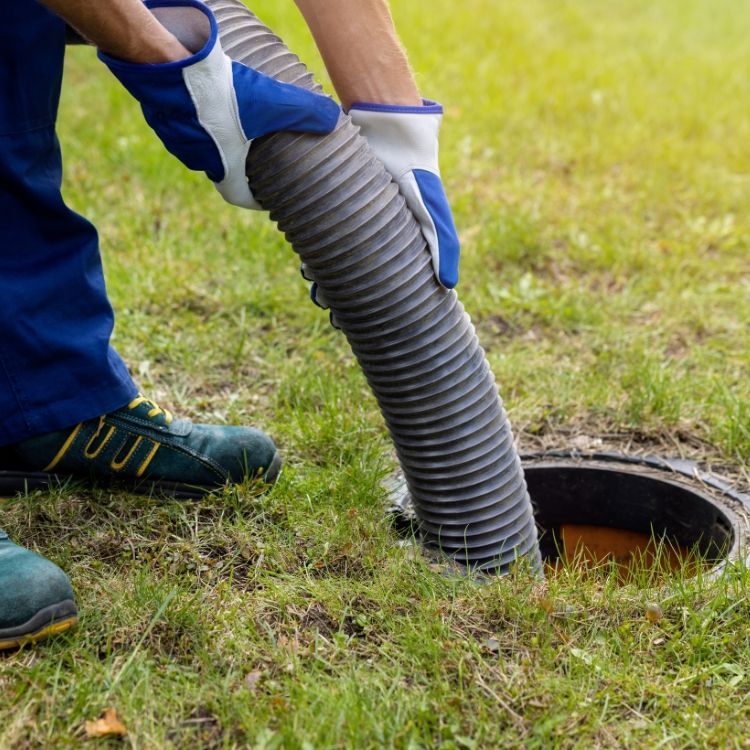
Jefferson County's water supply runs hard — noticeably so. The mineral content in Lakewood's
tap water is high enough that scale buildup on faucets, showerheads, and fixtures shows up
quickly after moving into a home. That same mineral accumulation happens inside pipes and
water heater tanks, where it's invisible until it starts affecting performance and shortening
equipment life.
Neighborhoods like Applewood, Eiber, and Glennon Heights — many with homes built in the
1950s through 1970s — have plumbing that's been absorbing hard water mineral deposits for
decades. Water hardness in this area regularly measures above 15 grains per gallon, which is highenough to cause real damage to pipes, water heaters, dishwashers, and washing machines overtime. Softened water reduces that mineral load, extends appliance life, and makes soaps and detergents work the way they're supposed to.
Salt-Based and Salt-Free Water Softeners Work Very Differently
A salt-based ion exchange system pulls hardness minerals out of the water before it reaches your faucets, pipes, and appliances. The result is water with measurably lower mineral content
throughout the house. A salt-free system takes a different approach — it conditions the minerals so they're less likely to adhere to surfaces, but it doesn't remove them from the water itself.
Both systems have valid applications, but they're not interchangeable. Lakewood households
with higher daily water use and harder-than-average supply conditions tend to get better results from a salt-based ion exchange system. Our plumbers will walk through the options with you and explain which approach fits your home's water profile and plumbing setup. Lakewood's water hardness levels are high enough that most licensed plumbers here default to ion exchange systems for full mineral removal — understanding the difference before purchasing prevents a mismatch that costs more to fix later.
Sizing Your System to Your Home and Water Use
Water softener capacity is measured in grains — the volume of hardness minerals the system
removes before it needs to regenerate. A system sized too small regenerates more often than
necessary, consuming more salt and wearing out faster. Getting the right capacity upfront
directly affects how long the system lasts and how efficiently it operates.
Sizing is based on household size, daily water usage, and local water hardness. Larger homes in
Bear Creek, Green Mountain, and Kendrick Lake often need systems rated at 48,000 grains or
higher. An undersized system is one of the most common and expensive mistakes we see — it's
also entirely avoidable with a proper sizing assessment before the system is selected.
Placement Determines Whether Softening Reaches Your Whole Home
A water softener belongs on the main supply line, installed before the water heater and before any branch lines split to different areas of the house. That location means every fixture and appliance in the home receives treated water. Installing it anywhere downstream of a branch
means part of the plumbing never sees softened water — and those sections continue accumulating scale.
The unit also requires a drain connection nearby and an electrical outlet for the control head. Most Lakewood homes have a utility room or mechanical space that works well. Older homes in Westland, Morse Park, and Union Square sometimes have supply line configurations that need to be adjusted to get the softener in the correct position on the main line. We handle any rerouting as part of the installation — no additional contractors or coordination required on your end.
A Licensed Plumber Handles Permits, Code, and Proper Hookup
Connecting to a main water supply line in Lakewood requires a permit from Jefferson County.
That's a requirement, not a recommendation. Licensed plumbers know the local code standards for backflow prevention, drain line routing, and bypass valve installation — and they stand behind the work if an inspection raises a question.
Unpermitted plumbing work creates problems that show up at the worst possible times. Home
sales slow down or fall through when unpermitted work is discovered during inspection.
Homeowner's insurance coverage can be affected if a water-related issue is traced to an
unlicensed installation. If you're planning to sell your Lakewood home in the coming years, a
properly permitted, code-compliant softener installation is documentation you can hand a buyerwith confidence. We pull the permit, coordinate the inspection, and provide paperwork that reflects work done right.
What to Expect on Installation Day
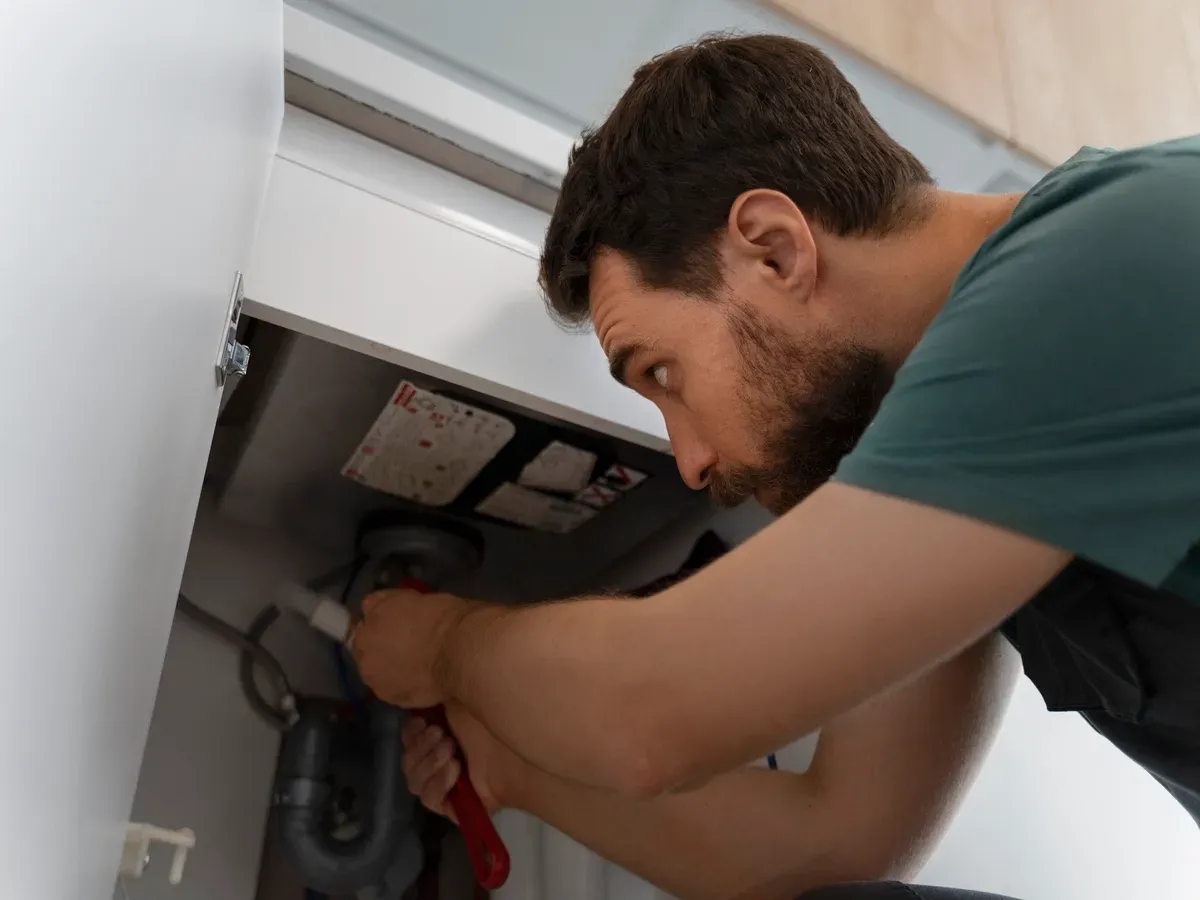
Most water softener installations take two to four hours. We shut off the main water supply, cut into the supply line, fit the bypass valve, connect the unit, program the control head, load the initial salt supply, and run a test cycle to confirm full functionality before we leave. Your water is
back on the same day — no overnight shutdowns, no extended disruption.
Lakewood homeowners can typically get on our schedule within the same week. Homes with supply lines in crawl spaces — found in some older Applewood and Glennon Heights properties — may add a small amount of time to the
job. We'll tell you upfront if your home's configuration affects the timeline
Do I Need a Licensed Plumber for Water Softener Installation in Lakewood, CO?
Yes. Colorado requires licensed plumbers to make connections to residential water supply lines, and Lakewood follows Jefferson County codes. That requirement exists for practical reasons —proper backflow prevention, correct drain line routing, and bypass valve installation all require code knowledge that protects your plumbing and your home's value.
- A permit may be required depending on the system type and how it connects to your supply line
- A licensed install protects appliance warranties that are tied to water quality requirements
- Proper backflow prevention and drain line routing require code knowledge that a licensed plumber brings to the job
Frequently Asked Questions
Do I need a permit for water softener installation in Lakewood, CO?
In most cases, yes — connecting to the main supply line in Lakewood requires a Jefferson County plumbing permit.
The permit triggers an inspection that confirms the installation meets code for backflow prevention, drain routing, and bypass valve configuration. We handle the permit application and inspection scheduling so you don't have to manage that process separately
Does a water softener get installed before or after the water heater?
Before. The softener goes
on the main supply line upstream of the water heater and any branch lines. That placement ensures the water heater — and every other fixture and appliance — receives treated water. Installing it downstream of the water heater leaves the heater exposed to hard water mineral
buildup, which defeats a significant part of the purpose.
What size water softener do I need for my Lakewood home?
Sizing depends on household size,
daily water consumption, and your specific water hardness level. Lakewood's supply typically measures above 15 grains per gallon, which pushes sizing requirements higher than in softer-
water areas. A household of four in a typical Lakewood home generally needs a system in the 32,000 to 48,000 grain range, but we size based on your actual usage rather than a general rule.
We assess your home before making a recommendation.
Can I install a water softener myself in Lakewood?
The mechanical assembly of the unit itself
isn't complex, but connecting it to the main supply line requires a licensed plumber and a permit in Lakewood. DIY connections to the main line that aren't permitted create problems at resale
and can void homeowner's insurance coverage if a water-related claim is later connected to the installation. The installation cost is worth it for the protection it provides.
Will a water softener affect my appliance warranties?
It can actually protect them. Many
appliance manufacturers specify water quality conditions in their warranty terms — some require water hardness below a certain threshold for full coverage. Operating a dishwasher, water heater, or washing machine on high-hardness water that voids those terms is a risk that a
properly installed softener eliminates. Keeping the system permitted and documented also provides a clear record if a warranty question ever comes up
How do I know if my Lakewood home needs a water softener?
White or yellowish scale on faucets, showerheads, and inside the dishwasher is the most visible sign. Soap that doesn't lather well, skin that feels dry after bathing, and water heater efficiency that seems lower than it should
be are additional indicators. A water hardness test gives you a definitive number — above 7 grains per gallon is considered hard; Lakewood's supply typically runs significantly above that. If
you're in an older neighborhood like Eiber, Belmar, or Morse Park and have never had a softener, the scale accumulation in your pipes and water heater has likely been building for years