
Sewer Camera Inspection in Lakewood, CO
A live camera through your sewer line shows exactly what's happening inside — before anyone touches a shovel. Our licensed plumbers serve Lakewood and Jefferson County with same-day inspection slots available. Call to get on the schedule.
Sewer line problems show up in homes of every age throughout Lakewood — from the 1950s ranches in Applewood and Eiber to newer builds along the Green Mountain corridor. This page covers what a sewer camera inspection reveals, how the process works, who benefits from one, and when to book it. Most inspections wrap up in under an hour and you get results the same day. We put facts in front of you, not guesses.
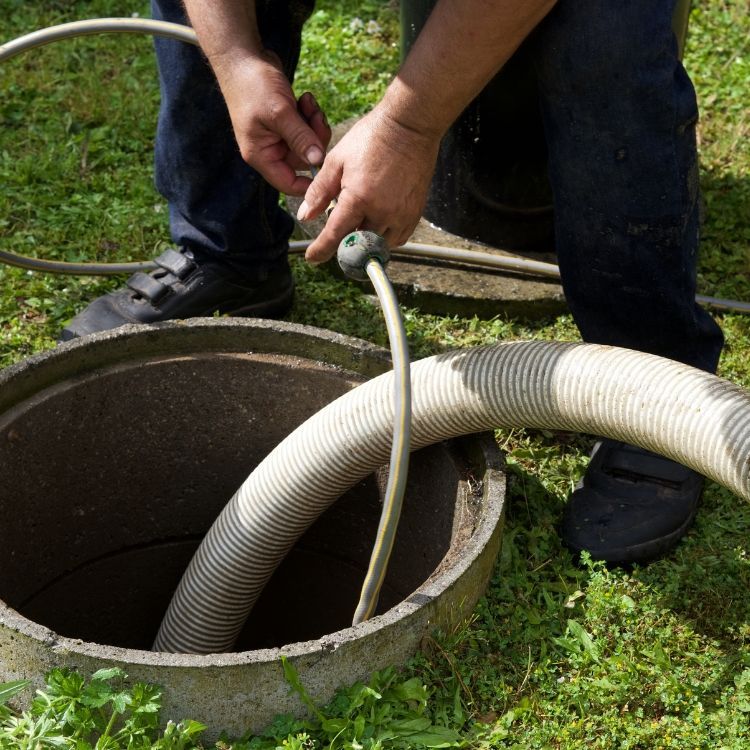
What a Sewer Camera Inspection Finds in a Lakewood Home
A sewer camera inspection uses a waterproof camera on a flexible cable to see the interior of your sewer line in real time. The plumber feeds the camera through your drain cleanout and watches a live video feed on site. The footage shows exactly where a problem exists and what's causing it.
Common findings inside Lakewood sewer lines include:
- Cracks, breaks, or collapsed pipe sections
- Tree root intrusion restricting or blocking flow
- Grease accumulation, offset joints, or standing water in pipe bellies
What the Camera Actually Shows Inside Your Pipes
The camera travels through the full length of your sewer line while our plumber watches live video above ground. You see what we see — no interpreting a verbal description, no assumptions about what might be down there.
Lakewood homes contain a mix of pipe materials depending on when they were built. Older neighborhoods like Belmar, Morse Park, and Glennon Heights tend to have clay or cast iron lines. Homes built after the mid-1980s more commonly have PVC. Each material shows different wear patterns on camera, and knowing what you're working with determines what to monitor and what to address first.
When to Book a Sewer Camera Inspection in Lakewood
Slow drains, toilets that gurgle when other fixtures run, and sewage odors inside or in the yard are all signs something is developing in your line. You don't need to wait for a full backup before calling — catching root intrusion or a pipe crack early costs considerably less than addressing a
collapse later.
Homebuyers, sellers, and current Lakewood owners all have good reasons to schedule an inspection. Spring is a particularly active time for sewer calls in Lakewood: snowmelt soaks Jefferson County's clay-heavy soil, which swells and puts lateral pressure on underground pipes. Homes near Bear Creek and Lakewood Gulch feel this seasonal shift more than most, and it's one of the most common triggers for sewer camera calls we see each year.
How the Camera Inspection Process Works
We start by locating your cleanout access point — typically near your foundation or in the yard close to the house. The camera feeds into the line and travels toward the street connection. A locator device above ground tracks the camera's exact depth and position throughout the run. No digging, no cutting into walls. Everything happens through one small access point.
Homeowners in Kendrick Lake, Westland, and Bear Creek ask about the process regularly before booking — the short answer is that it's minimally disruptive and over quickly. If your Lakewood home was built before 1990 and doesn't have a cleanout yet, we can install one to give the camera proper access.
Pipe Problems the Camera Catches Before They Escalate
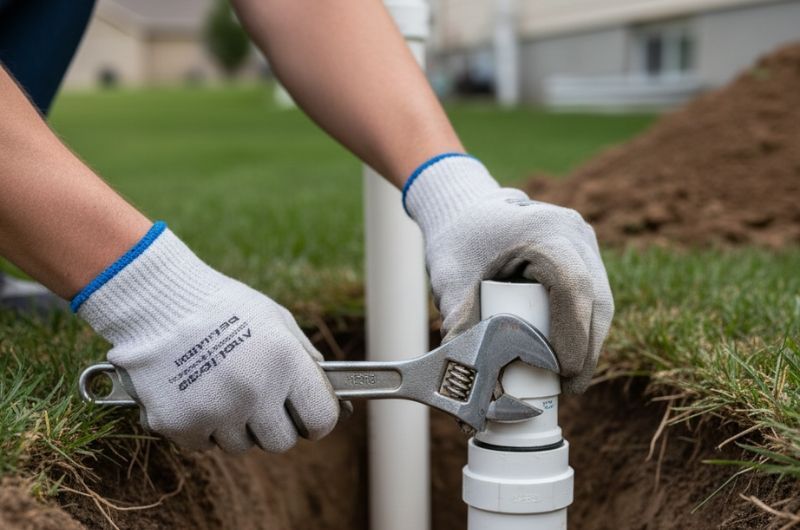
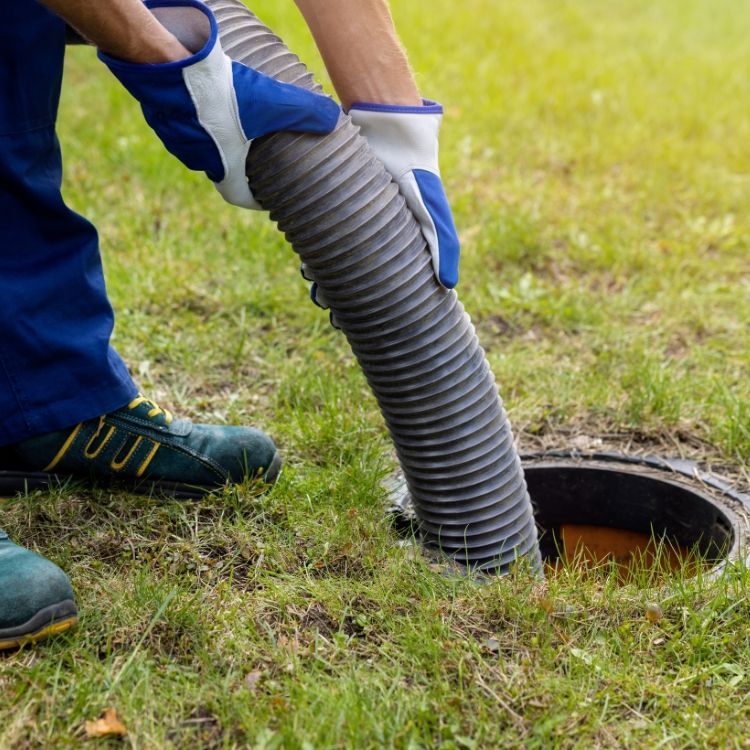
The camera identifies tree root intrusion, pipe cracks, joint offsets, buildup, and pipe bellies —
low sags where waste pools and accumulates rather than flowing to the street. Every condition shows up clearly on the video feed.
Lakewood properties with mature cottonwoods, elms, or other established trees near the sewer lateral — particularly in Eiber, Applewood, and along streets near Bear Creek — deal with root intrusion more regularly than newer properties. Roots follow moisture and enter through the smallest crack. Locating a partial root blockage on camera means clearing it before it becomes a structural break. Jefferson County's clay soil compounds this: the ground moves with every freeze/thaw cycle, slowly pushing pipe joints out of alignment until they separate or fail.
What to Expect on Inspection Day in Lakewood
When we arrive, we locate the cleanout and run the camera. Start to finish, most inspections take 30 to 60 minutes. You can watch the footage in real time alongside our plumber, or we review it together immediately after. You receive a written report or video file the same day — not a verbal summary you'll have to remember later.
That documentation has real value beyond the inspection itself. If you're buying or selling a home in Lakewood's camera footage supports negotiations and satisfies buyer due diligence. For existing homeowners, it's the documentation you need if an insurance claim ever comes into play. Cleanout access is straightforward in most Lakewood homes built after 1980. In older neighborhoods like Morse Park and Glennon Heights, tracking it down occasionally takes a few extra minutes — but we always find it
How Often a Lakewood Sewer Line Should Be Inspected
For newer PVC pipe, most plumbers recommend an inspection every 18 to 22 years. Older cast iron or clay lines are better checked every 5 to 7 years. Any time you keep having drain problems that come back, that is a reason to look sooner.
Many long-term Lakewood homeowners have never had a camera inspection — and that means they are likely overdue. Lakewood developed neighborhood by neighborhood over several decades, so pipe material and age can change block to block across Knowing what you have matters. A routine inspection every few years costs far less than emergency repair after a surprise collapse.
Frequently Asked Questions
Should I get a sewer camera inspection before buying a home in Lakewood?
Yes — a sewer camera inspection before buying reveals hidden damage that a standard home inspection will not catch. This is especially worth doing for older homes or any property with large trees in the yard.
Can tree roots show up on a sewer camera?
Yes — roots appear clearly on the video as fibrous masses that are blocking or growing through the pipe wall. You can see exactly how far they have gotten.
Can a sewer camera find a leak underground?
Yes — the camera shows water coming in through separated joints, cracks, and other weak spots in the line. You can see the exact location without any digging.
How long does a sewer camera inspection take in Lakewood?
Most inspections finish in 30 to 60 minutes. The time depends on how long your line is and how easy the access point is to reach.
What problems can a sewer camera detect?
A sewer camera can find root intrusion, cracks, pipe bellies, joint offsets, grease buildup, and fully collapsed sections of pipe.
How often should Lakewood homeowners have their sewer line inspected?
Every 5 to 7 years for older clay or cast iron pipe, and every 18 to 22 years for newer PVC. If drain problems keep coming back, inspect sooner.