
Toilet Installation in Lakewood, CO
Licensed plumbers serving Lakewood, CO for full toilet installation — new builds, replacements, and rough-in work.
Call today to book a same-week appointment — we arrive with the parts to finish the job in one visit.
In Lakewood, toilet installation involves more than swapping out a bowl — local water conditions, soil movement, and older housing stock all factor into a correct install. We handle the full scope: full toilet replacement, new toilet installation, flange inspection, supply line replacement, and tank component upgrades. Most installs are done in a single visit. Our technician assesses conditions before setting the toilet so nothing gets missed. As a licensed, family-owned Lakewood plumbing company, we handle the full job ourselves — no subcontractors, no callbacks. Denver Water pressure zones in Lakewood vary sharply by elevation. Homes on the west side near Green Mountain regularly see 85–110 PSI. A pressure test at the supply stop is required before any toilet installation in Lakewood to protect fill valves and supply lines.
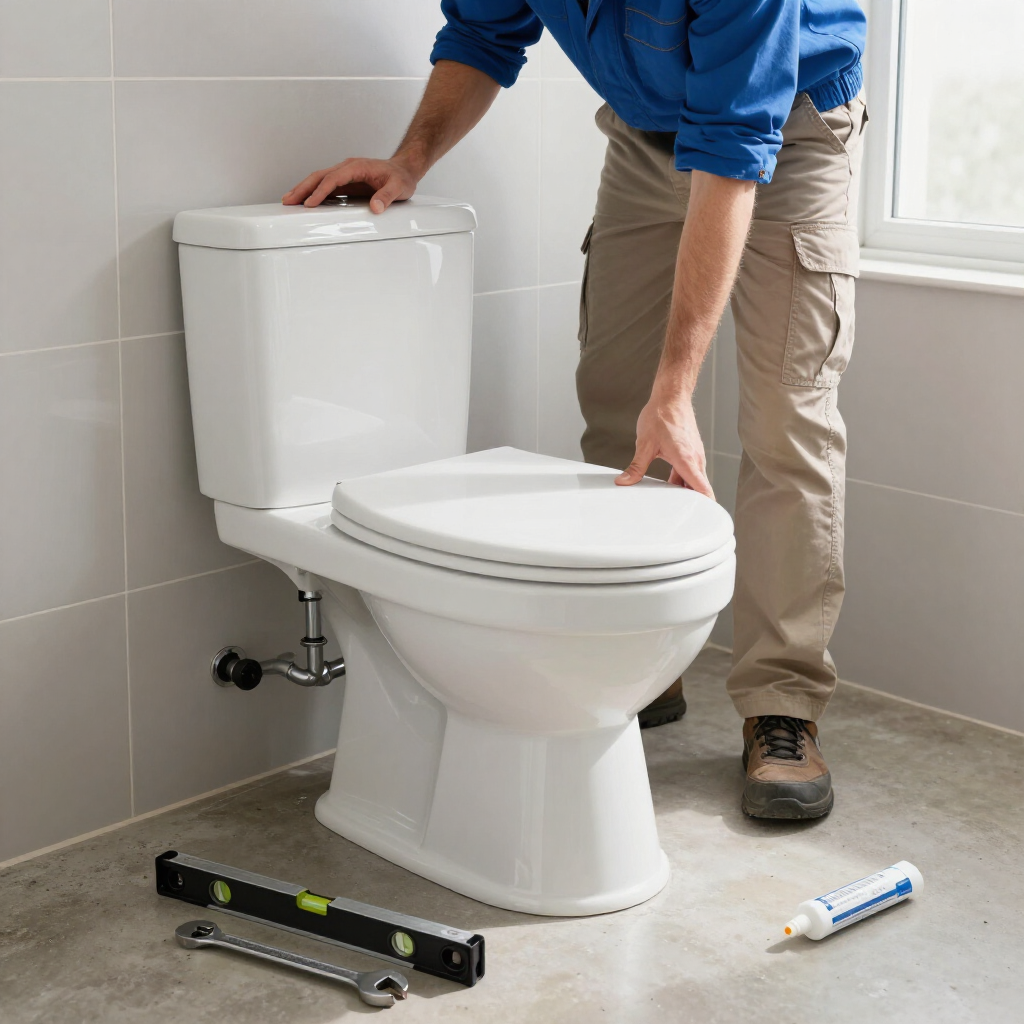
What Does Toilet Installation in Lakewood, CO Include?
Here's what a professional toilet installation in Lakewood, CO involves:
- Shut off water at the supply stop and test static pressure — in Lakewood's western pressure zones, readings above 80 PSI require a PRV adjustment before install
- Remove the old toilet; inspect the closet flange for cracks, settlement, or shearing caused by clay soil movement
- Repair or replace the flange if sunken or cracked — never stack wax rings to compensate
- Set the new toilet with a proper wax seal or wax-free gasket; shim if the floor is out of level
- Replace the supply line and install all new tank components
- Test for leaks and confirm a complete, quiet flush cycle
What Toilet Installation in Lakewood, CO Includes
Toilet installation covers removing the old unit, inspecting the flange and subfloor, setting the new toilet with a fresh wax seal, and connecting a new supply line and shutoff valve. A full install in Lakewood also includes testing water pressure at the stop and replacing all tank components — fill valve, flapper, and flush valve. Everything is new when we leave.
We serve Lakewood homeowners replacing aging builder-grade toilets or upgrading to water-efficient models. One visit handles the full scope — no partial installs, no return trips for parts.
Lakewood homes built between Wadsworth and Kipling in the 1960s–1980s often have original shutoff valves that have seized from hard water scale. We load replacement angle stops on the truck for every job. Lakewood water runs 250–350 ppm hardness, and original 1/4-turn angle stops that haven't been turned in eight or more years will spin right off the stub-out when closed. We never touch the supply line without a replacement stop already in hand.
When to Replace Your Toilet Instead of Repairing It
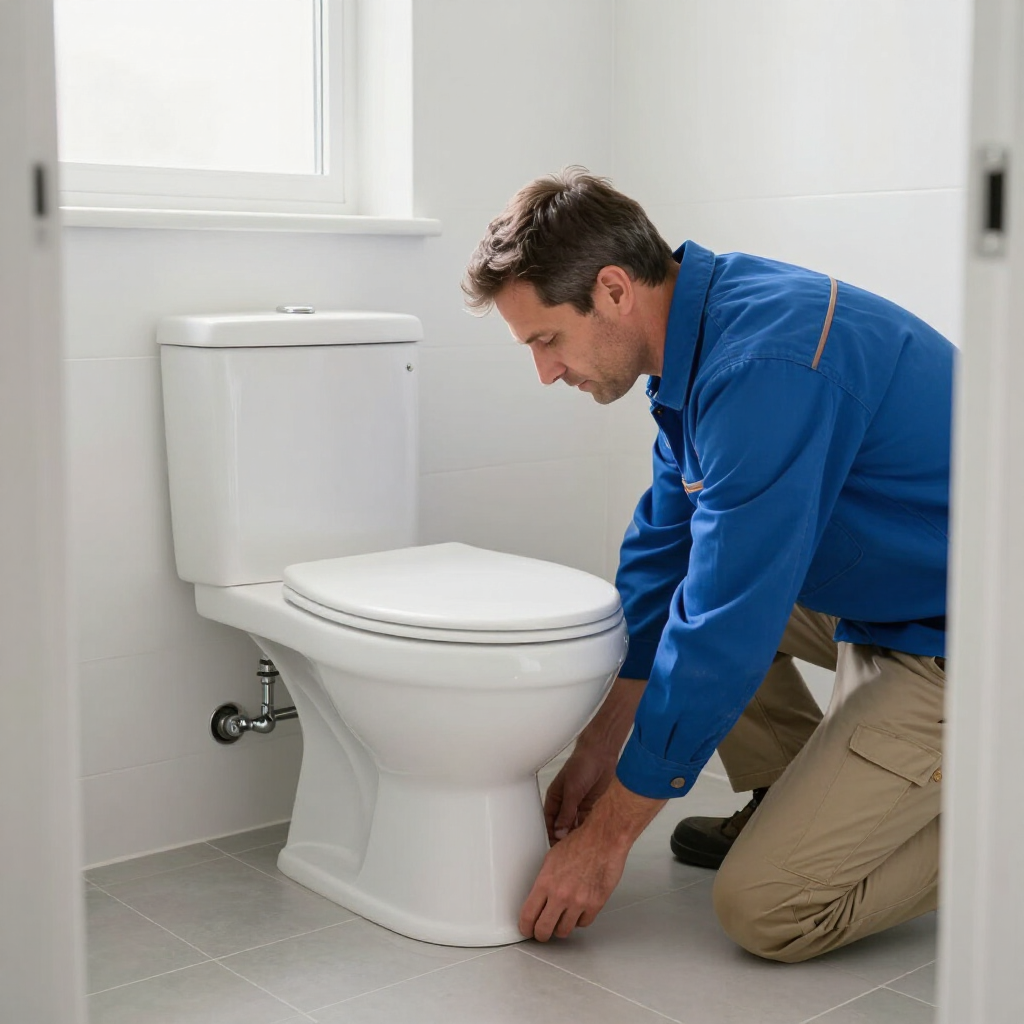
Toilets older than 15–20 years, those that run constantly, or those that rock at the base are strong candidates for full replacement. Repairs can get expensive fast. In Lakewood homes without water softeners, 250–350 ppm calcium hardness burns through flappers and fill valves quickly — repeated repairs on a corroded tank often cost more than putting in a new unit.
A new toilet resets the parts clock. New fill valve, new flapper, new flush valve, and a clean wax seal. So if you've had the same plumber out three times in two years for the same toilet, it's time to talk replacement.
Near the Lakewood–Denver border, Green Valley Ranch-era construction used builder-grade Eljer and American Standard toilets that are now 25 or more years old. Most are overdue. And what we find constantly on these calls is that homeowners replaced just the bowl at some point but left 1999-era tank internals in place. Always replace the full tank kit when setting a new toilet. Pairing a 25-year-old flapper with a new flush valve is a short-term fix at best.
How Lakewood's Water Pressure and Hard Water Affect Your New Toilet
High water pressure wears out fill valves fast. Hard water deposits calcium on flapper seats and flush valve towers, which cuts flush performance and causes phantom running. Lakewood sits across multiple Denver Water pressure zones, and homes on the west side near Belmar Park and Green Mountain regularly see 85–110 PSI dynamic pressure during peak demand.
A pressure test and PRV check at installation protects your new toilet — and your fill valve warranty. A Fluidmaster fill valve rated for 80 PSI max will chatter and fail within 18 months running at 95 PSI. This is common in west Lakewood homes without a working PRV, and most homeowners don't know it's happening until the toilet starts running constantly.
We always test both static and dynamic pressure at the supply stop before setting any toilet in Lakewood. Dynamic pressure in the western zones swings hard during peak demand. The static reading alone will not catch the problem.
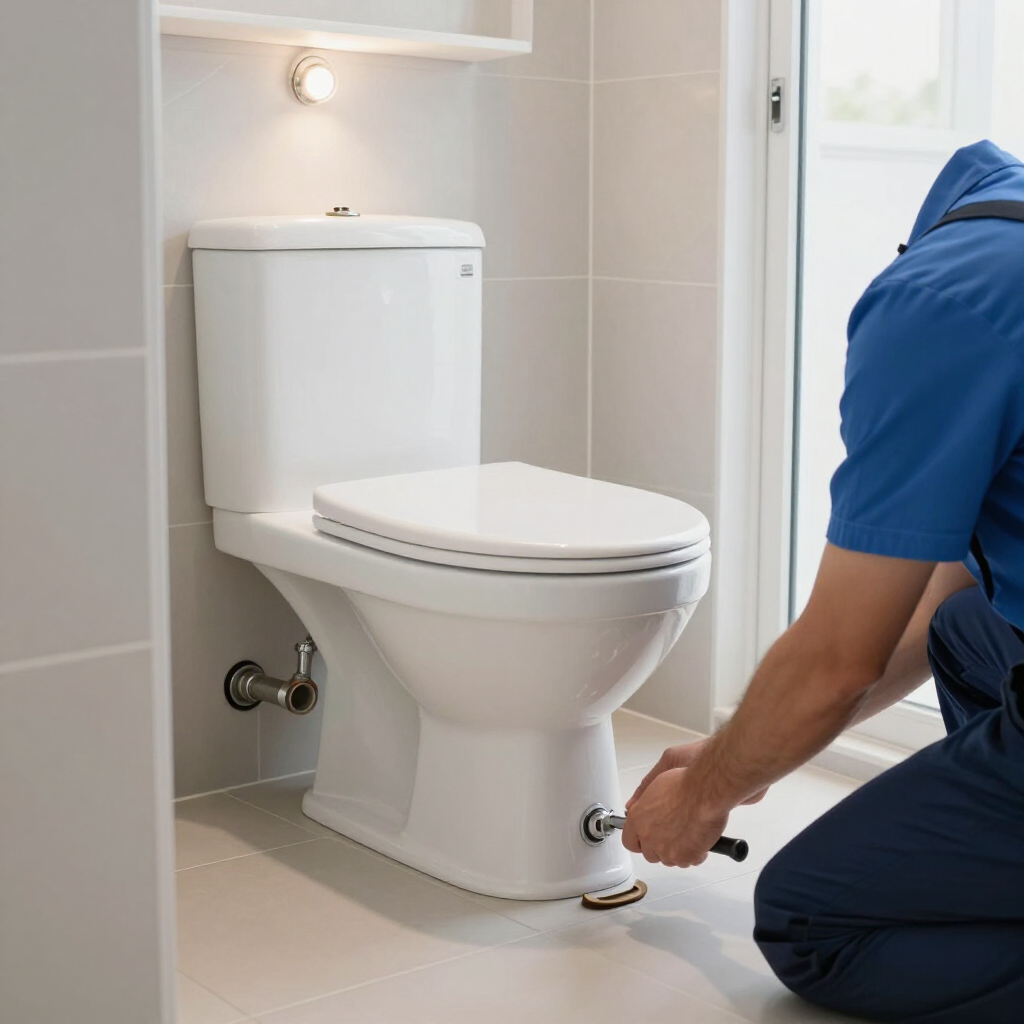
What to Expect During a Professional Toilet Install
A straightforward replacement in Lakewood typically takes 1–2 hours from shutoff to cleanup. Flange repair or PRV work adds time, but we let you know before we proceed. Our technician shuts off water, removes the old toilet, inspects the flange and floor, sets the new toilet, connects the supply line, and tests for leaks before leaving.
A licensed plumber catches things a DIY install misses — cracked flanges, seized shutoffs, unlevel floors. These are the findings that turn into water damage six months later. In Solterra and Hutchinson Hills near south Lakewood along Green Mountain, graded-fill lots can leave bathroom floors 1/4" to 3/8" out of level. We set a level before placing the toilet, not after.
But here's what most homeowners don't think about until it's too late: plastic shim kits only — never cardboard — on these mountain-climate homes. Humidity swings in Lakewood compress cardboard shims over a single winter, and by spring the toilet rocks and breaks the wax seal.
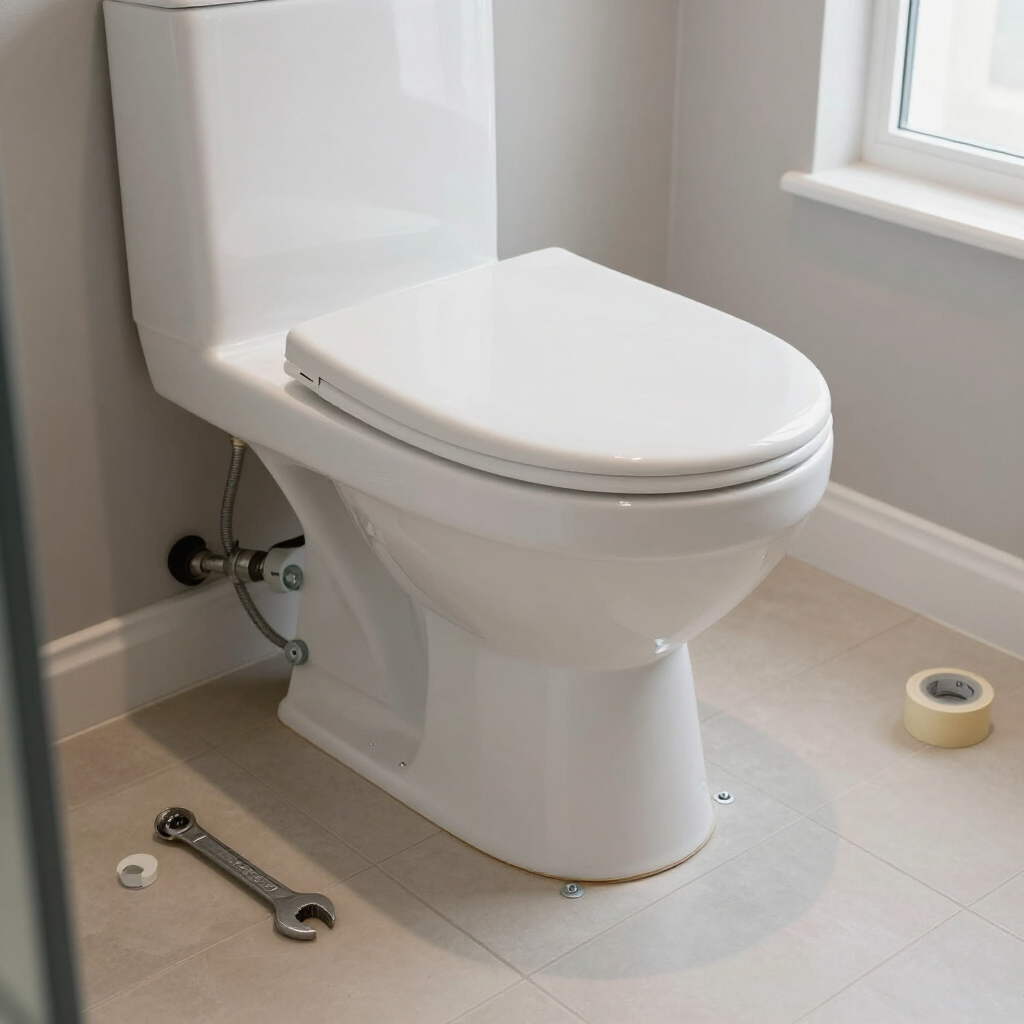
How Lakewood's Clay Soil and Slab Foundations Affect the Closet Flange
The closet flange connects your toilet to the drain line. It has to be solid, at the correct height, and undamaged for the wax seal to hold long-term. Lakewood's expansive Bentonite clay soil swells and contracts 3–4 inches seasonally. On slab homes, that movement shears the flange right at the slab surface.
This matters most in 1960s–1980s slab construction between Wadsworth and Kipling. Catching a failed flange before setting the new toilet prevents sewage leaks, subfloor rot, and a callback within months.
A sunken or cracked flange needs a flange extender or full replacement — stacking wax rings to compensate for flange depth is a temporary fix that fails under seasonal soil movement. One thing we see constantly on Lakewood slab calls is a "simple replacement" that reveals a sheared cast iron or ABS stub once the old toilet comes out. It changes the scope of the job. On slab homes in this housing stock, budget time to evaluate flange depth before quoting labor — we always do.
How to Prepare Your Bathroom Before the Plumber Arrives
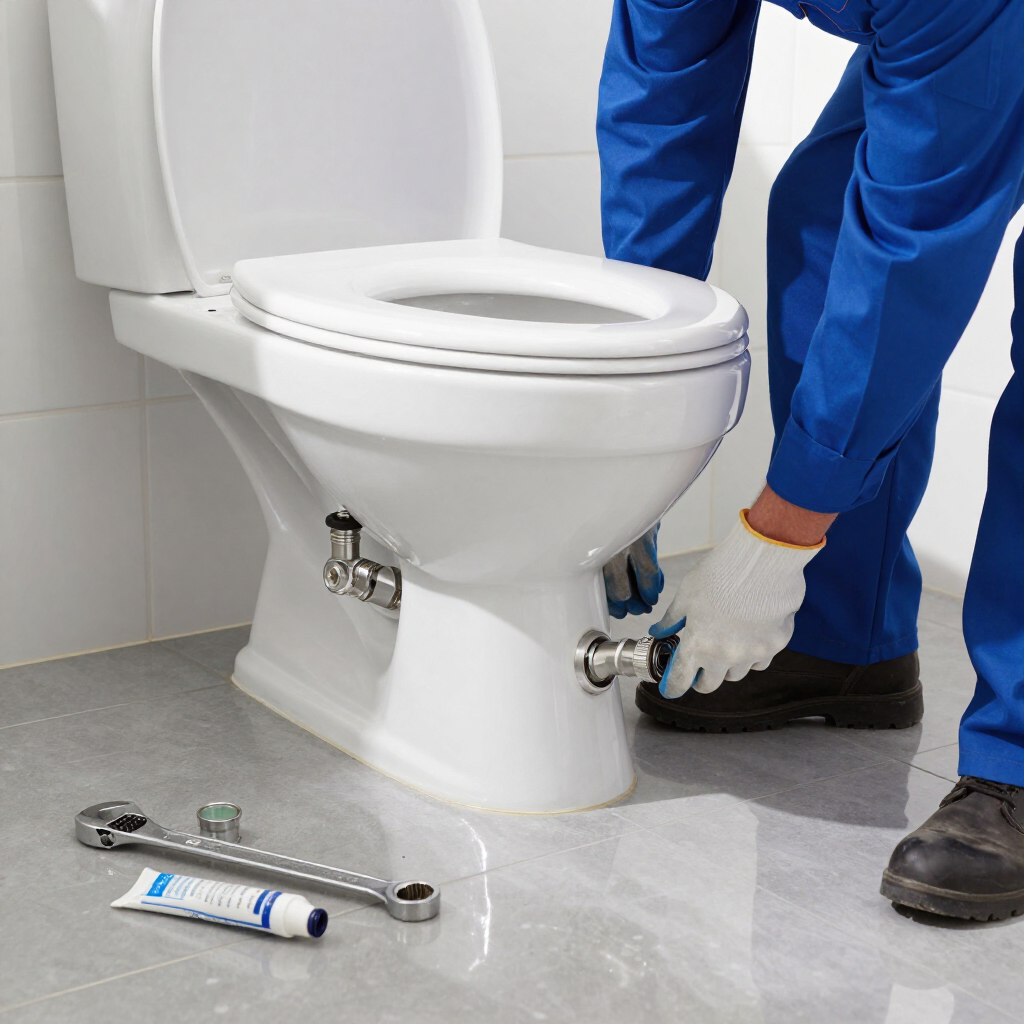
A few simple steps before we arrive help the job move faster and protect your bathroom during the install. Clear the area around the toilet, pull up any rugs or mats, and know the location of your main water shutoff in case the supply stop is stuck. You don't need to do more than that.
A clear work area means our technician spends time on the install, not moving your things. In older Lakewood ranch-style and bi-level homes, we may also need to check the access panel on exterior north or northwest walls to assess the supply stubout — especially in homes with uninsulated wall cavities.
What homeowners don't realize is how often exterior-wall bathrooms in late 1950s–1970s Lakewood ranch homes have zero cavity insulation at the supply stubout. We flag this at every install. A supply line sitting in an R-0 wall cavity will freeze at the -10°F to -15°F temps Lakewood sees in January — and that's a problem worth knowing about before winter hits.
Frequently Asked Questions
Do I need a plumber to install a toilet in Lakewood?
You're not legally required to hire a plumber for a toilet swap in Lakewood, but local conditions make professional installation the safer choice. High water pressure in west Lakewood, expansive clay soil under slab homes, and corroded shutoff valves from hard water are things a licensed plumber catches before they become a leak. DIY installs that skip a pressure test or flange inspection are a common source of callbacks here.
How long does toilet installation take in Lakewood?
Most toilet replacements in Lakewood take 1–2 hours from shutoff to cleanup. Flange repair, PRV adjustment, or shutoff valve replacement adds time — these are common findings in Lakewood's older housing stock and are worth handling in the same visit. If additional work is needed before we set the toilet, we'll give you a revised time estimate before we proceed.
What common mistakes happen during toilet installation?
The most common mistakes are skipping the flange inspection, stacking wax rings to compensate for a sunken flange, and leaving old tank components in a new toilet. In Lakewood specifically, not testing water pressure before install is a frequent error — a fill valve running at 95 PSI in a west-side pressure zone fails within 18 months. Replacing only the bowl while leaving 20-year-old tank internals is another mistake we see often in Lakewood's older housing stock.
Are new toilets easy to install without a plumber?
A new toilet is manageable for a confident DIYer on a straightforward replacement — but Lakewood adds complications that raise the risk. Bentonite clay movement under slab foundations frequently damages closet flanges. Lakewood water pressure varies by elevation zone. Hard water seizes old shutoff valves. And older homes have unlevel floors on fill-graded lots. Any one of these surprises found after the wax seal is already set can turn a 90-minute swap into a half-day repair.
How does Lakewood's hard water affect a new toilet?
Hard water shortens the life of every component inside the toilet tank — fill valve seats, flapper seats, and flush valve towers accumulate calcium scale within 2–3 years. Lakewood water runs 250–350 ppm hardness from the Denver Water/South Platte system, which is roughly 15–20 grains per gallon. At installation, we note whether a whole-house softener is present. Without one, expect tank components to need replacement in 3–4 years, not the 10 years most homeowners expect.
What happens if the closet flange is damaged when the toilet is removed?
A damaged flange must be repaired or replaced before the new toilet is set — this is not optional. In Lakewood's slab homes, cracked or sunken flanges are common due to seasonal clay soil movement. The repair may involve a flange extender for minor depth issues or a full flange replacement for sheared or broken flanges. We show you the condition before doing any additional work and explain the repair needed. Setting a toilet on a bad flange leads to wax seal failure, sewer gas, and water damage.