
Sump Pump Repair in Lakewood, CO
Licensed plumbers serving Lakewood handle sump pump repair fast.
Same-day service available — call now to stop water before it spreads
Lakewood sits where Dry Gulch, Weir Gulch, and Green Mountain drainageways all come together. A pit that's bone dry in March can run nonstop by late May. When that happens, undersized or aging sump pumps burn out fast. We're OnCall Drain & Sewer — a licensed, family-owned plumbing company based at 215 S Wadsworth Blvd here in Lakewood. We handle sump pump repair seven days a week, including same-day calls when water is moving.
This page covers the most common sump pump problems we see in Lakewood homes: failed motors, stuck floats, tripped breakers, and frozen discharge lines. We'll also walk you through when repair makes sense versus full replacement, and what to expect when we show up.
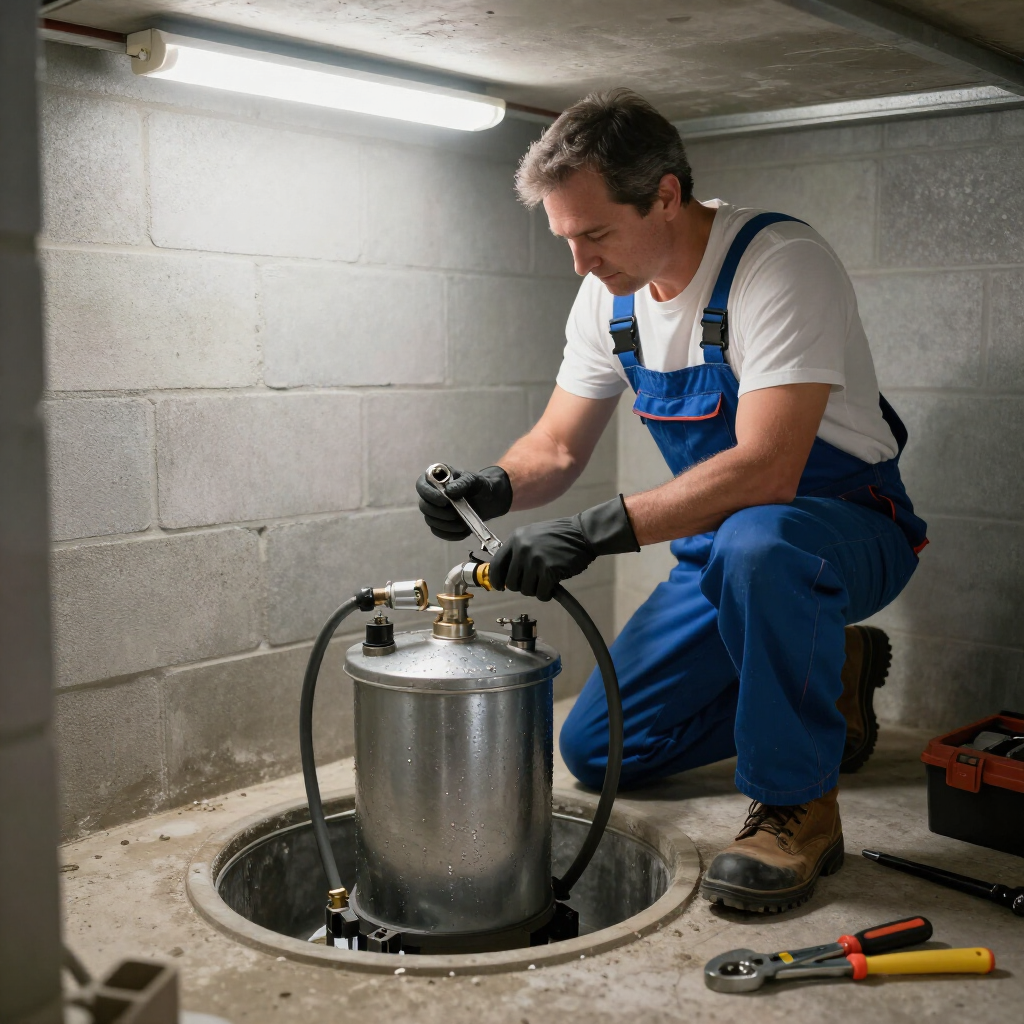
Most Sump Pumps Can Be Repaired Without Full Replacement
A failed sump pump does not always mean you need a new one. Motors, float switches, check valves, and impellers are all parts we can service on the spot. Most Lakewood homeowners are dealing with a burnt switch, a clogged impeller, or a tripped thermal overload — not a dead pump.
Repair keeps the cost down and gets your basement protected again the same day. And for homes near Weir Gulch that run pumps hard through spring, annual service pays for itself in avoided emergency replacements.
What we see constantly on Weir Gulch-area calls is impellers packed with a rust-and-slime mix from iron bacteria and sediment. Flow drops to roughly 30% of the pump's rated output before the homeowner notices anything wrong. We always flush the pit and check the intake screen before we call a repair complete — leaving that behind means you'll be calling again in six weeks.
Float Switch Failure Is the Most Common Sump Pump Problem in Lakewood
The float switch tells the pump when to turn on and when to shut off. When it sticks or drifts, the pump either runs nonstop or never starts at all. This is the single most common repair we make on Lakewood service calls.
Older ranch homes here frequently have float arms that are corroded or crusted from hard water. Denver Water delivers 80–120 ppm hardness — enough to crust switch housings and corrode steel pump bodies within four to six years. Replacing a float switch is fast and restores normal operation in most cases.
But don't just test the float by hand and move on. Mineral crust builds up inside the switch housing and causes false readings even when the arm moves freely. We pull the housing and inspect the contacts before confirming a switch is good. So if a tech tells you the float checked out without opening it, push back.
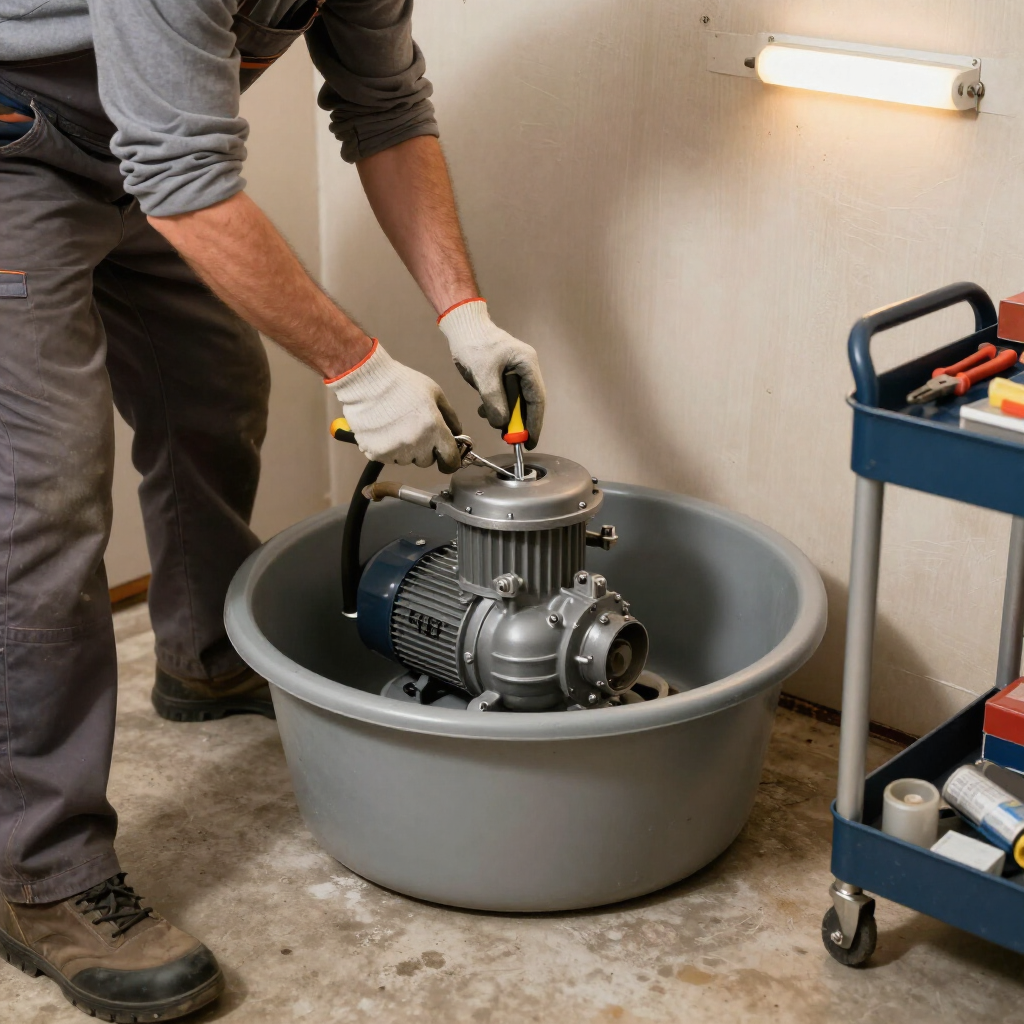
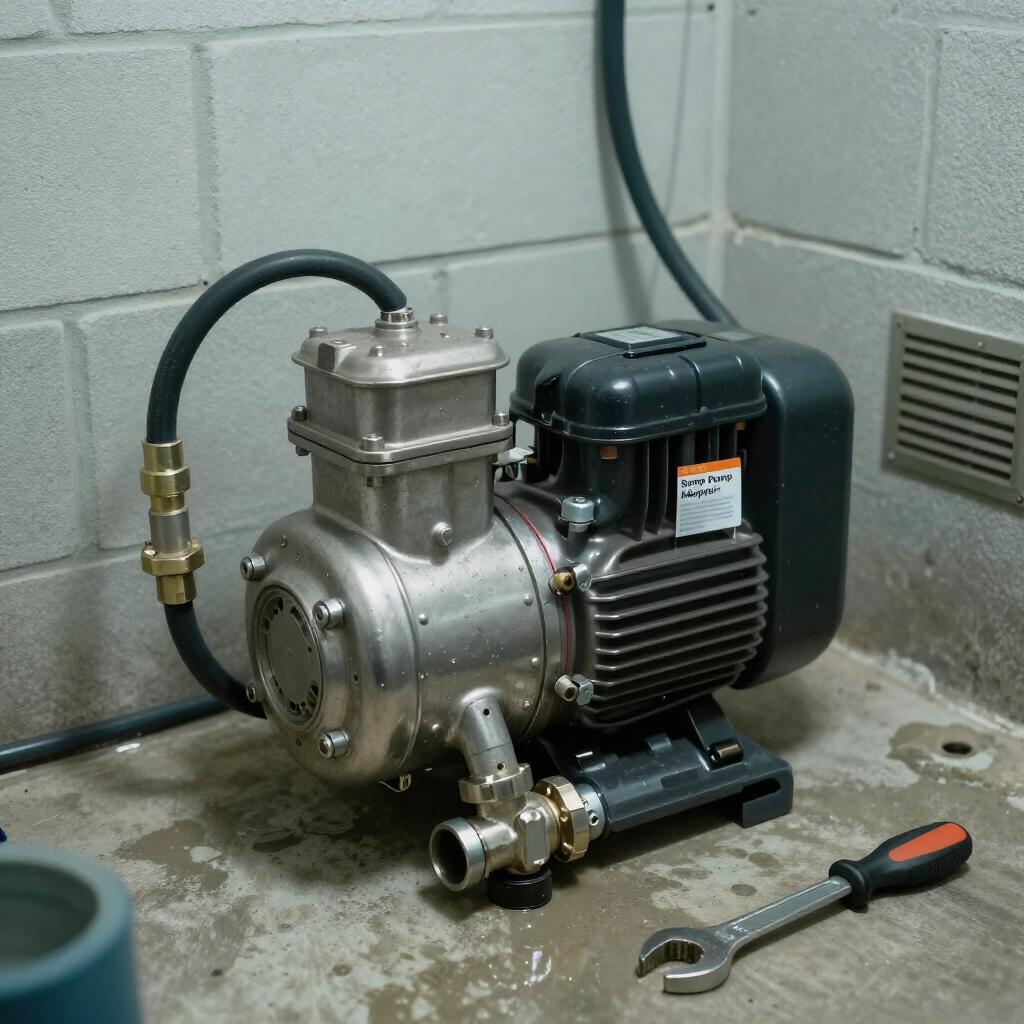
Lakewood's Expansive Clay Soils Shift Pit Walls and Throw Floats Out of Position
Pierre Shale and bentonitic clay in central and eastern Lakewood can swell 30–40% when saturated. That movement cracks pit walls and shifts them inward. Homeowners in Eiber and Lakewood Estates often find their pump partially unseated or the float arm pinned against a heaved wall — even when the motor is still working fine.
We check pit integrity and float arm clearance on every sump pump call in these areas. It takes five minutes and prevents a repeat failure.
In the Eiber district especially, many pits are unlined gravel excavations from original 1950s–1970s construction. Debris intake is constant, and floats drift without a liner holding the pit shape. Fixing the float without addressing the pit condition is a short-term fix at best.
Never just swap the pump and leave in a clay-heavy zone. A re-heaved wall after the next heavy rain will kill the new unit the same way it killed the old one — always recheck clearance and wall condition after pulling a pump in these neighborhoods.
Signs Your Sump Pump Is Burnt Out or Near End of Life
A burnt-out pump has specific symptoms: loud grinding or humming with no water movement, the motor runs but the pit level keeps rising, or the unit trips the breaker over and over. These are not repair signs — they're replacement signs.
Lakewood homeowners with units older than ten years in Green Mountain Village are common candidates for full swap, not service. Green Mountain hillside lots receive lateral groundwater from upslope neighbors, and that combined load pushes older 1980s submersibles well past their design limits. Catching this early means you choose the replacement on your schedule, not the pump's.
We still find Zoeller M53s and Wayne CDU800s from original construction running in Green Mountain basements. Impellers on these units are worn smooth and float switches are intermittent. If your unit is over ten years old with a documented history of continuous running, we recommend replacement over repair — the math doesn't work out in favor of another service call.
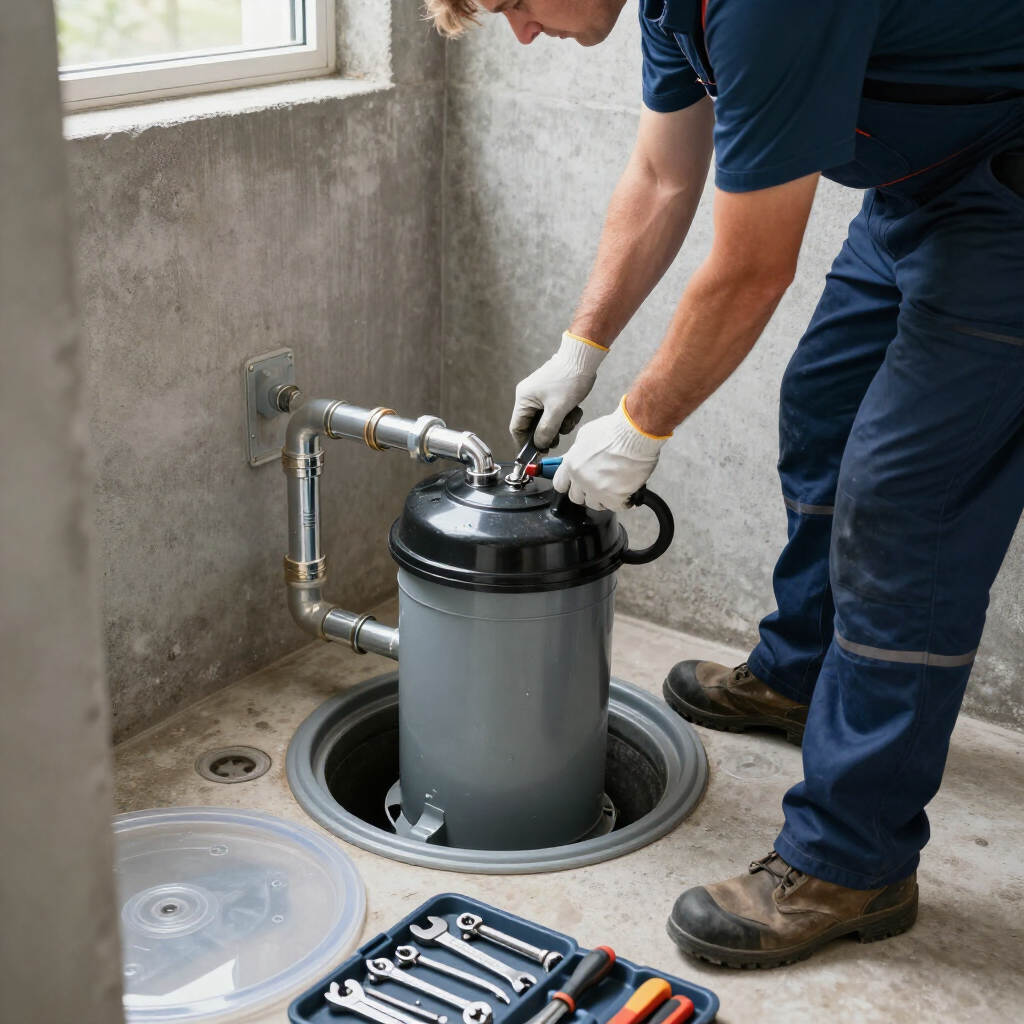
How to Force a Sump Pump On and What to Do Next
You can test a sump pump yourself before calling us. Slowly pour water into the pit until the float rises — the pump should kick on within a few seconds. This tells you whether the motor is alive and whether the float responds normally.
If the pump does nothing with a raised float, the problem is likely electrical, switch-related, or a seized motor. But call us before you start pulling components. Most diagnostic mistakes happen in the first five minutes of a homeowner troubleshooting a dead pump.
One thing we see constantly on Lakewood calls: homeowners lift the float by hand while the pit is completely dry and run the pump that way. Without water, the motor heats up immediately and you risk burning the seal and motor windings. Always add water to the pit first. A gallon from a bucket is enough to protect the motor during a manual test.
Lakewood pits can go completely dry all winter. If your pump hasn't cycled since October, run a manual test in late April before the wet season starts — not after you've already got two inches of water on the floor.
Discharge Line Freezeouts Are a Leading Cause of Motor Failure in Winter
When a discharge line freezes solid, the pump runs against back-pressure until the thermal overload trips or the motor burns out. Lakewood's January and February nights regularly hit single digits. Lines that exit through uninsulated rim joists or terminate at grade freeze fast under those conditions.
Jefferson County's frost line sits at 36 inches. Most ranch homes from the 1960s through 1980s have discharge lines that exit low on the foundation wall and terminate right at grade — exactly where freeze risk is highest. Inspecting and protecting discharge routing every fall is the single best way to avoid a winter sump pump repair call.
A frozen discharge line with no check valve is the worst-case scenario. Water back-flows into the pit when the pump shuts off, re-freezes at the outlet, and the cycle repeats until the motor fails. On every fall service call we confirm check valve function and discharge termination height. If either is wrong, we fix it before the first hard freeze — not after.
Frequently Asked Questions
Can a sump pump be repaired, or does it need to be replaced?
Most sump pumps can be repaired — switches, impellers, check valves, and discharge lines are all serviceable parts. Full replacement makes more sense when the motor is seized, the unit is over ten years old, or the pit itself has structural problems.
What is the most common problem with sump pumps in Lakewood, CO?
Float switch failure is the most common issue — it prevents the pump from turning on or cycling off correctly. In Lakewood, mineral buildup from Denver Water's hard supply and soil movement from expansive Pierre Shale clay both speed up float switch problems. A stuck float arm, a motor that runs continuously without dropping the water level, or a pump that never activates despite a rising pit are the three signs to watch for.
How do I know if my sump pump is burnt out?
A burnt-out pump hums or grinds but moves no water, trips breakers repeatedly, or does nothing when the pit fills. If the unit is over eight to ten years old and showing any of these signs, schedule a repair inspection before the next wet weather event.
Do sump pumps have a reset button?
Many sump pumps have a thermal overload reset — a small button on the bottom or side of the motor housing. Press it once after the unit has cooled. If it trips again quickly, the underlying cause still needs to be fixed: frozen discharge line, clogged impeller, or a failed capacitor.
How long can a sump pump run without stopping?
Most residential sump pumps are rated for short cycles, not continuous use — running beyond 20–22 hours risks overheating the motor. During Lakewood's heavy snowmelt cycles in May and June, undersized 1/3 HP units frequently hit their thermal limits. Upsizing to a 1/2 HP unit solves most chronic burnout problems in these situations.
How do I get my sump pump working again after it stops?
Start by checking the power, resetting the breaker, and testing the float manually with added water in the pit. If the pump still does not activate, call a licensed Lakewood plumber — the problem is likely a failed switch, a seized motor, or a frozen discharge line that needs a hands-on diagnosis.