
Pressure Regulator Valve Replacement in Lakewood, CO — Protect Your Pipes Before They Fail
High water pressure can quietly damage your pipes, fixtures, and appliances — and most homeowners never see it coming. At Lakewood, CO Plumbing, we handle PRV replacement in Lakewood, CO for homes and businesses throughout the area. One valve swap can stop leaks, cut down on wear, and bring steady water flow back to every faucet in your home. Read through what to expect — then call us at (720) 303-5374 to get on the schedule.
Lakewood's municipal water supply runs at pressure that can vary considerably from block to block — particularly across Green Mountain and the elevation changes between Belmar and Bear Creek neighborhoods. This page explains what a PRV does, how to recognize when one is going bad, and what the replacement process looks like from start to finish. A licensed plumber can assess and replace your PRV in a single visit, and we've helped Lakewood homeowners across stay protected and code - compliant.
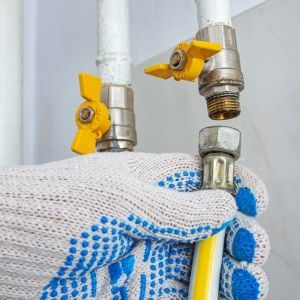
What a Pressure Regulator Valve Does for Your Plumbing
A PRV functions as the gatekeeper between the street-level pressure in the city main and the plumbing inside your home. Installed on the main water line where it enters the house, the valve reduces incoming pressure down to a safe operating range — typically between 50 and 80 psi. Without it, whatever pressure the city main is running at comes directly into your pipes, and over time that force takes a toll on joints, fixtures, and appliances.
Most Lakewood homes built from the 1980s onward have a PRV installed near the foundation or meter entry point. When it's functioning correctly, you don't think about it — it quietly keeps pressure in range around the clock. In older Lakewood neighborhoods like Applewood, Eiber, and Glennon Heights, the combination of aging pipe systems and hard water means a properly functioning PRV is doing significant protective work every day. In areas where elevation shifts between streets — common across Green Mountain and Kendrick Lake — pressure can vary
noticeably from one home to the next, making a healthy PRV more important, not less.
Warning Signs Your PRV Is Starting to Fail
A failing PRV rarely announces itself directly. More often, it shows up as a symptom somewhere else in the plumbing — a dripping faucet that won't stay fixed, a toilet that keeps running, or a banging sound in the walls after a faucet is turned off. By the time most Lakewood homeowners connect those symptoms to the PRV, the valve has been struggling for months.
A quick pressure test often tells the whole story. Lakewood's hard water leaves mineral deposits inside valve internals that accelerate wear — even in homes where the PRV hasn't been in service that long. Homes in Westland and Morse Park with original plumbing from the 1960s and 1970s sometimes have PRVs that have been under hard water stress for decades.
Watch for these signs:
Water pressure that feels inconsistently strong at some fixtures and weak at others
- Banging or knocking sounds in the pipes after shutting off a faucet
- A toilet that continues running well after the tank should have filled
- Small leaks appearing at pipe joints or fixture connection points
- Appliances like water heaters or washing machines leaking at their supply connections
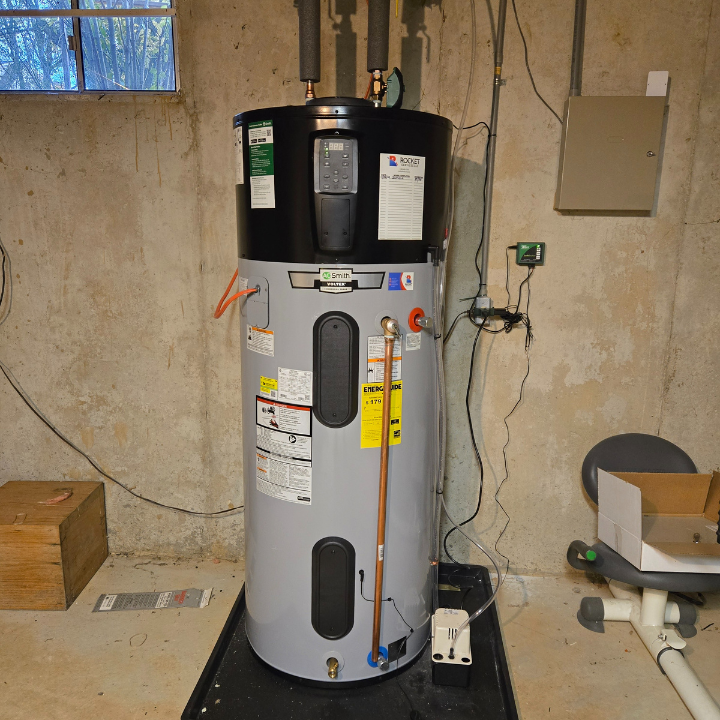
How Long a PRV Lasts — and When Lakewood Homes Typically Need Replacement
A PRV in normal working conditions holds up for 10 to 15 years. Hard water and elevated incoming pressure both shorten that window. Any valve past the 12-year mark should be tested annually — not because failure is imminent, but because catching wear early costs far less than
dealing with a burst joint or a failed appliance connection later.
A significant share of Lakewood homes renovated or built during the 1990s and early 2000s are hitting that replacement window now. We see it regularly — a homeowner calls about a dripping faucet or a water heater that's behaving strangely, and a pressure check reveals the PRV has been quietly deteriorating for some time. Lakewood's municipal water carries enough mineral content to wear down valve internals faster than many homeowners expect, particularly in homes that haven't had the PRV serviced since it was first installed.
What Happens During a PRV Replacement Visit
The process is straightforward and typically completed in one to two hours. We shut off the main water supply, remove the old valve, and install a new brass PRV in its place. Before we leave, we test both inlet and outlet pressure to confirm the new valve is set correctly for your home's
plumbing.
We've worked on PRV setups across all of Lakewood — older homes in Applewood and Eiber with interior installations near the water heater, and more recent construction in Belmar and Union Square where meter configurations vary. Your water is back on the same day. No overnight shutoffs, no second trip needed. If your PRV is in an exterior location exposed to Lakewood's winter temperatures, we come prepared for cold-weather access so nothing slows the job.
Why Elevated Water Pressure Damages More Than Just Pipes
Pressure running consistently above 80 psi doesn't just accelerate pipe wear — it can void
manufacturer warranties on water heaters, washing machines, and dishwashers. Those
appliances are rated for a specific pressure range. Operating them above that range transfers the liability for failures to the homeowner, not the manufacturer.
The day-to-day wear is visible too. Pinhole leaks in copper supply lines. Faucets that drip
regardless of how recently the washers were replaced. Toilet fill valves that need replacement
every year or two instead of lasting a decade. In Lakewood, homes at higher elevations —
particularly on the Green Mountain slopes and in parts of Glennon Heights — can receive
incoming pressure that's well above what standard fixtures are built to handle. A correctly set
PRV holds pressure in the 55 to 75 psi range and protects everything downstream. Bear Creek
and Lakewood Gulch corridor homes that sit lower relative to the supply infrastructure
sometimes see pressure on the opposite end — inconsistently low — which a properly
functioning PRV also helps stabilize.
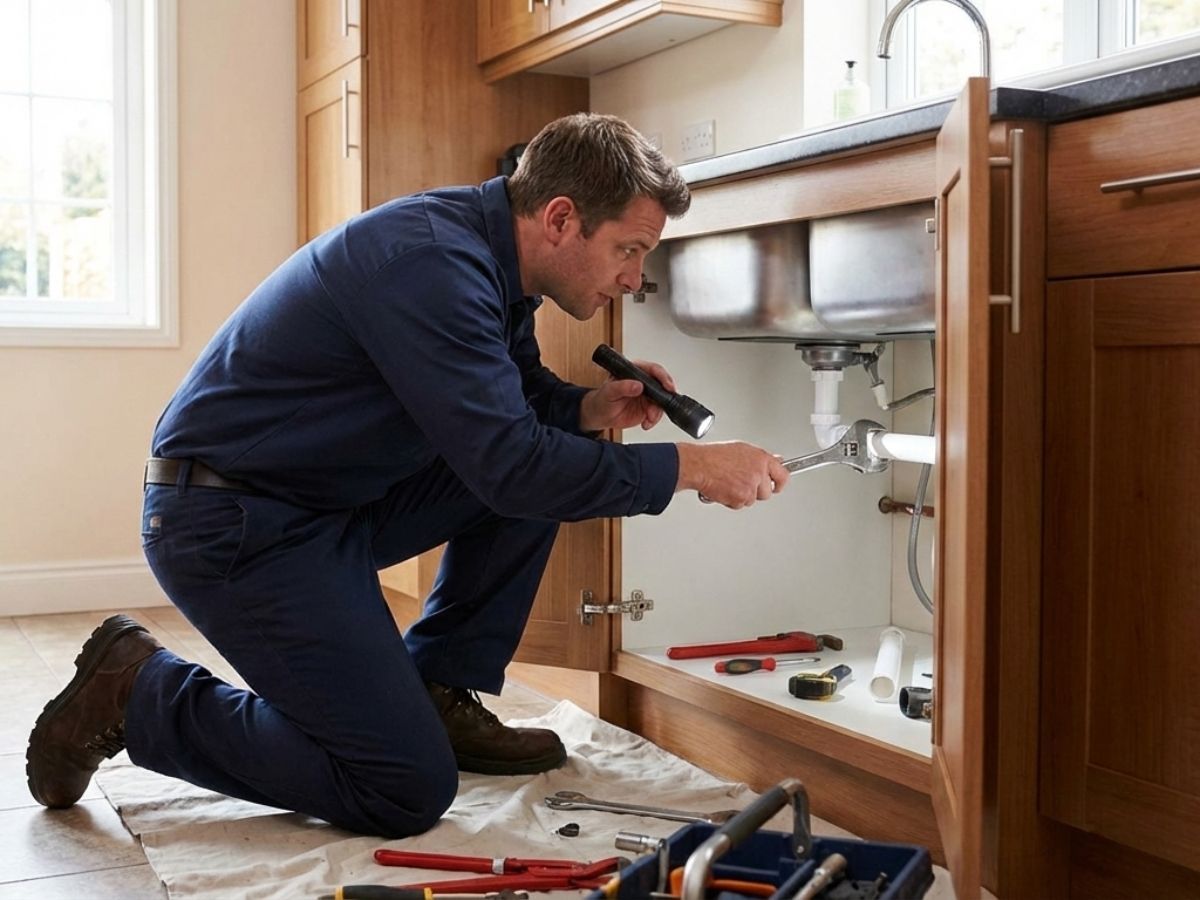
Replace vs. Rebuild: Which Option Is Right for Your Situation
When a PRV is failing, the choice is between rebuilding the existing valve — swapping internal springs and seals while keeping the valve body — or replacing the entire unit with a new one. A rebuild is a viable option for a younger valve with an intact body that's showing wear on internals
only. A full replacement is the right call when the valve body itself shows rust, cracking, or has been in service long enough that the body is the weak point regardless of internal condition.
For any valve over 10 years old or one showing external deterioration, we recommend replacement. Rebuilding a compromised valve body extends the timeline temporarily but doesn't address the underlying structural wear. In Lakewood's older neighborhoods — Eiber, Glennon Heights, Morse Park, and Westland — original PRVs that have never been serviced are common, and most of them are well past the point where a rebuild makes financial sense. Colorado's freeze/thaw cycles put additional stress on aging valve bodies each winter. Replacement removes that risk entirely and resets the clock on service life.
Frequently Asked Questions
How do I know if my pressure regulator valve needs replacing in Lakewood?
The most reliable way is a direct pressure test at a hose bib — if you have a gauge, pressure above 80 psi or significant fluctuation between readings is a clear signal. Without a gauge, watch for the
symptoms: banging pipes after shutoff, a toilet that keeps running, dripping faucets that won't stay fixed, or appliances leaking at their supply connections. If multiple symptoms are showing up at once, call us for a pressure assessment — it takes a few minutes and gives you a clear answer.
What is the ideal water pressure for a Lakewood home?
Between 55 and 75 psi is the target
range for most residential plumbing systems. Below 40 psi, showers lose performance and appliances struggle. Above 80 psi, pipes, fixture washers, and appliance inlet valves take on accelerated wear. Lakewood's municipal supply can run higher than that target in some areas —particularly at lower elevations where supply pressure is naturally greater — which is exactly why a well-set PRV matters.
Can a bad PRV cause low water pressure throughout my house?
Yes. A PRV that's failed in the
closed position restricts flow even below the normal range, leaving the whole house with weak pressure at every fixture simultaneously. A PRV failing open causes the opposite — pressure that
runs too high. Both failure modes cause damage; they just show up differently. If pressure feels consistently off throughout the house rather than at a single fixture, the PRV is worth checking first.
What happens if I don't replace a failing PRV?
Unregulated or fluctuating pressure works
against every component in the plumbing system. Pipe joints and fittings are under continuous stress. Fixture washers and seals wear out faster than normal. Appliance supply connections
develop leaks. In more severe cases, elevated pressure causes pinhole leaks in copper supply lines — a repair that costs significantly more than a PRV replacement. Lakewood homes with
original 1960s and 1970s copper plumbing are particularly vulnerable once pressure regulation is lost.
Should I replace or rebuild my pressure regulator valve?
If the valve is under 10 years old and
the body is in sound condition, a rebuild is worth considering. If the valve is older, has visible corrosion or cracking, or has never been serviced, full replacement is the better investment. A rebuilt valve with a compromised body still has a compromised body — you've extended the timeline, not reset it. For most Lakewood homeowners with older PRVs, replacement is the call that makes sense.
How long does a PRV replacement take in Lakewood?
Most replacements are finished in one to
two hours from shutoff to pressure test. The main variables are valve access and whether any related components — like shutoff valves or pressure gauges at the meter — need attention at the same time. We give you an accurate time estimate before starting, and your water is back on
before we leave.