
Faucet Repair in Lakewood, CO
Licensed plumbers serving Lakewood and surrounding neighborhoods for faucet drips, leaks, and broken valves.
Call today — same-day service is available for most faucet repairs.
Faucet repair is one of the most common calls we handle across Lakewood. Dripping faucets, stiff handles, broken cartridges, leaking valves — kitchen, bath, and laundry — we diagnose on-site and fix in one visit when parts allow. Most jobs are same-day or next-day. As a licensed, family-owned plumbing company serving this area, we know the brands and systems common in Lakewood homes.
One thing most homeowners don't know: Denver Water delivers water at 90–110 PSI in elevated Lakewood neighborhoods near Green Mountain and Belmar. That's well above the 60–80 PSI range faucet parts are designed for. In homes built before 2000, the pressure-reducing valve was often never calibrated correctly — or it's failed entirely. High water pressure is the number one reason faucet cartridges fail early here, and it's something we check on every call.
What Does Faucet Repair in Lakewood, CO Involve?
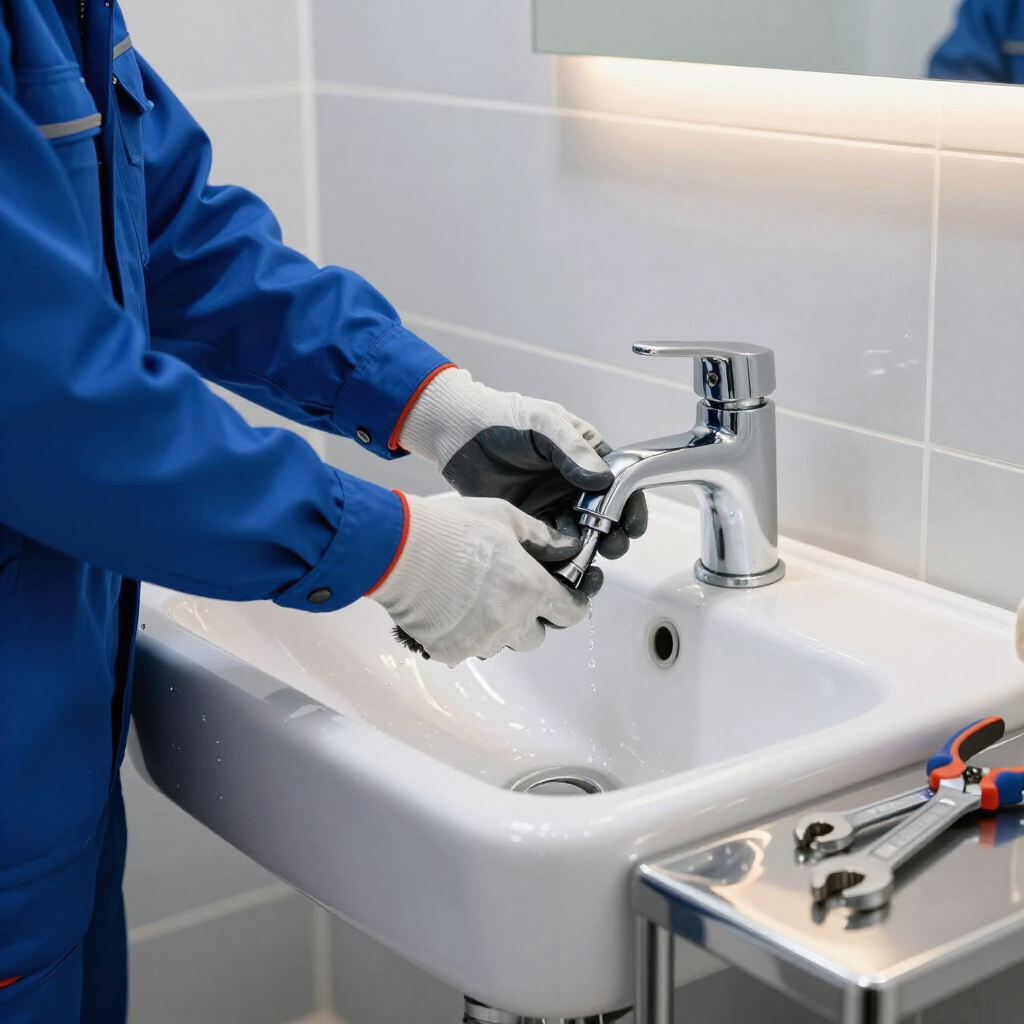
Faucet repair in Lakewood means diagnosing and fixing the internal parts that control water flow — cartridges, stems, O-rings, seats, and washers. Most dripping or hard-to-turn faucets can be repaired in a single visit without replacing the whole unit. A plumber checks water pressure at the hose bib first, since Lakewood's high municipal pressure is a common hidden cause of repeat faucet failure.
- Identify the faucet type — ball, cartridge, ceramic disc, or compression stem
- Shut off supply, disassemble, inspect internal parts for wear or mineral buildup
- Replace failed components, flush the lines, test for leaks and smooth operation
Checking pressure before ordering parts is standard practice on Lakewood calls. A new cartridge fails in months if the PRV is still broken.
What Faucet Repair in Lakewood Actually Covers
Faucet repair means fixing the moving parts inside your faucet — not always replacing the whole unit. Most repairs involve swapping a worn cartridge, replacing a cracked stem, re-seating a valve seat, or clearing a clogged aerator. We also inspect the supply lines and shutoff valves under the sink during every visit.
Lakewood homeowners call us most often for kitchen faucets that drip overnight and bath faucets with stiff or grinding handles. Both problems are fixable. And in most cases, the whole job wraps up in one trip.
In older Lakewood neighborhoods like Applewood and Glennon Heights, original 1960s compression-style shutoff valves under the sink often fail the moment they're turned off for a repair. We carry replacement angle stops on every truck so the job doesn't stall when that happens.
What looks like a simple faucet drip in Lakewood is sometimes a hairline crack at the shutoff stub-out behind the cabinet wall. Bentonite clay soils shift seasonally and stress older copper supply joints. We pull the cabinet back and look before ordering parts — that one step has saved a lot of homeowners from a second call.
Signs Your Lakewood Faucet Needs Professional Repair
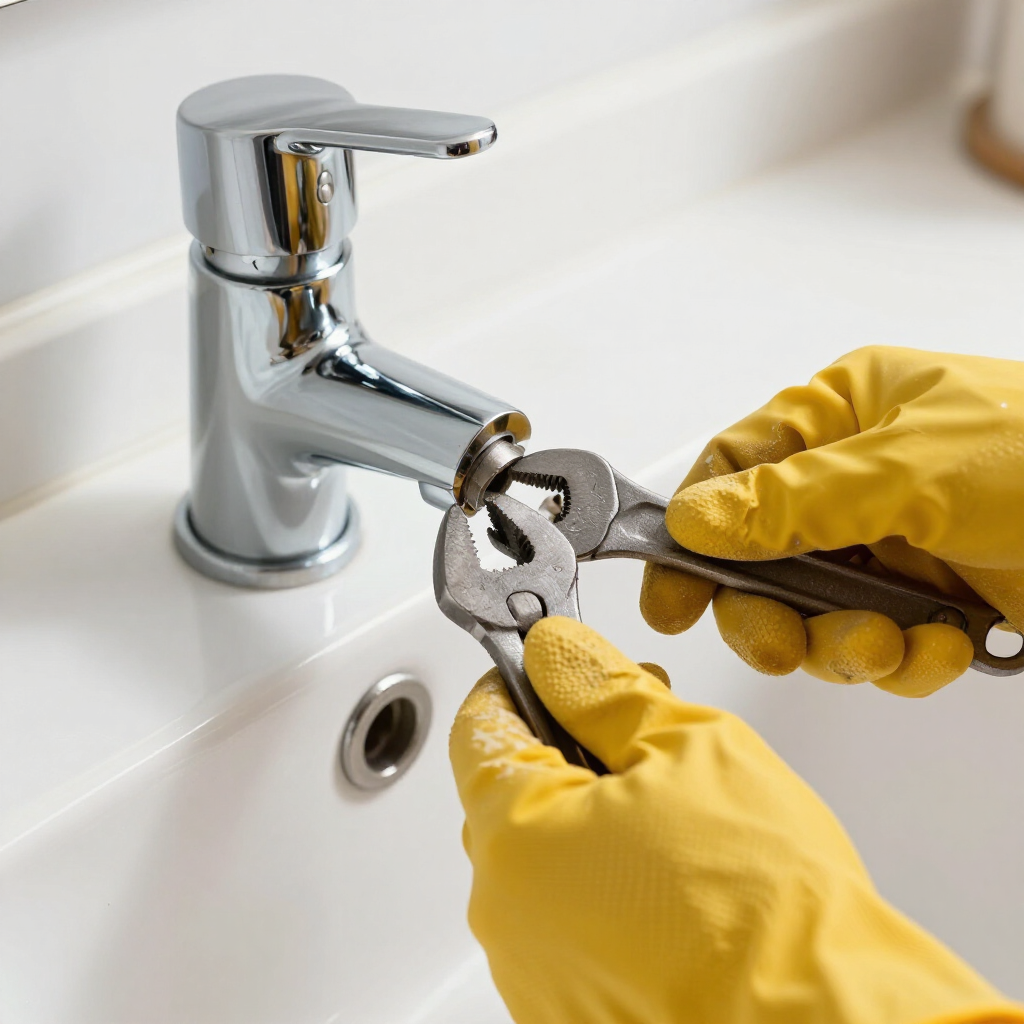
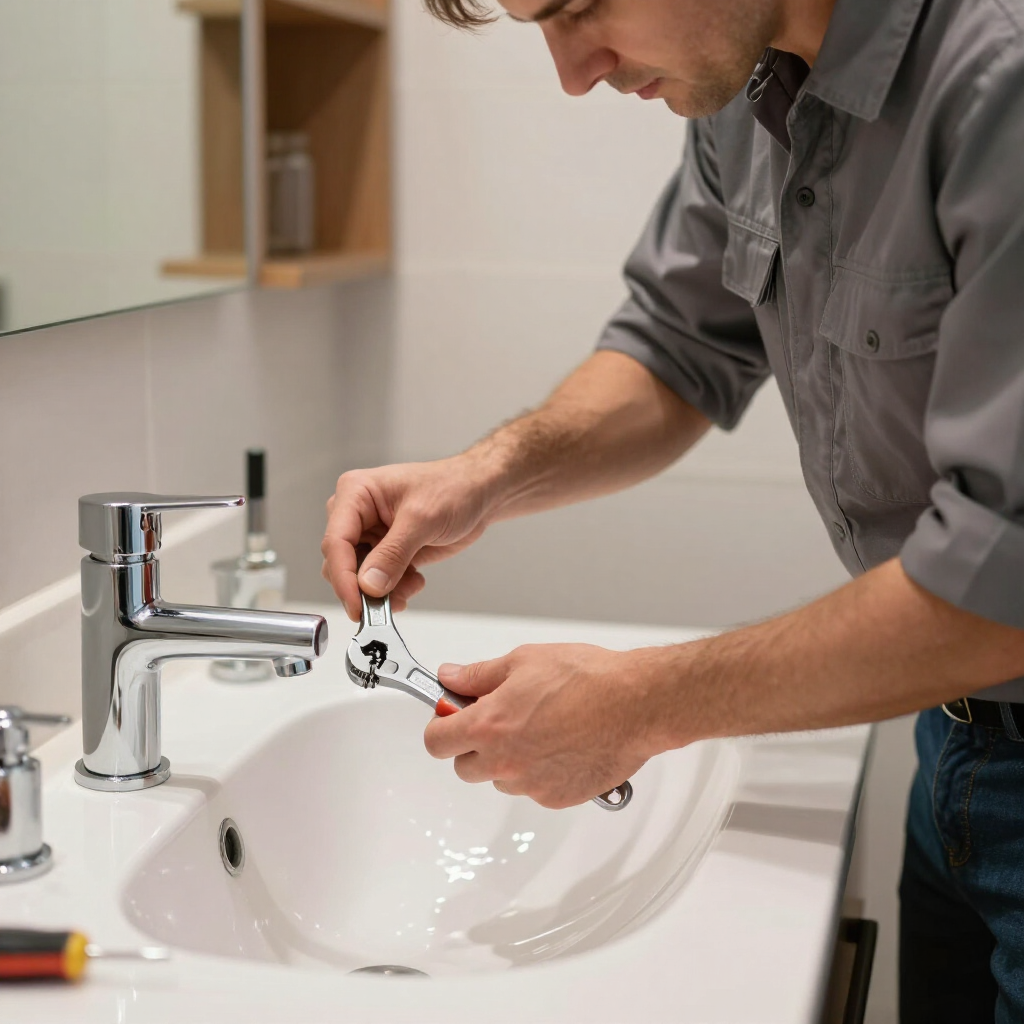
A faucet that drips when fully off, has a handle that spins or grinds, or shows water under the cabinet is past the point of ignoring. Other signs include low or uneven flow from the spout, water hammer when you shut the handle off, or a pull-out spray head that drips between uses. These symptoms are common across Lakewood homes. Most can be fixed in one visit.
Catching the problem early matters. Cabinet damage, countertop rot, and subfloor water damage all start with a slow drip that nobody addressed.
Belmar-area townhomes built between 2004 and 2015 frequently show two symptoms at once — a stiff lever and a dripping pull-out spray head. Builder-grade Moen and Pfister faucets in those units are hitting the end of their lifespan under Lakewood's hard water. When that combination shows up on a call, it's usually two separate failure points: the ceramic disc and the spray head coupling O-ring. Both caused by mineral buildup and pressure fatigue. We replace the full cartridge assembly and the spray head coupling seal in one trip so it doesn't come back.
How High Water Pressure Damages Faucets in Lakewood Homes
Denver Water delivers water at 90–110 PSI in many Lakewood neighborhoods. Faucet manufacturers design their parts for 60–80 PSI. That gap is why cartridges and valve seats wear out fast here — they're under constant excess stress.
Ceramic disc faucets that should last 10 or more years are failing in 2–3 years in some parts of Lakewood. Homes near Green Mountain and Belmar are especially affected. But pre-2000 homes across the city frequently have PRVs that were never set correctly or have failed over time.
Ball-type faucets leak at the cam and packing within 2–3 years under Lakewood's typical delivery pressure. What looks like a worn-out faucet is often unregulated line pressure wearing parts down faster than normal. So fixing the underlying pressure problem is the only way to stop repeat failures.
Before touching a dripping faucet in Lakewood, we check pressure at the hose bib. If it reads over 80 PSI, adjusting or replacing the PRV is the real job that day. Skipping that step means the new cartridge fails on the same timeline as the old one.
How a Faucet Cartridge Repair Works — Step by Step
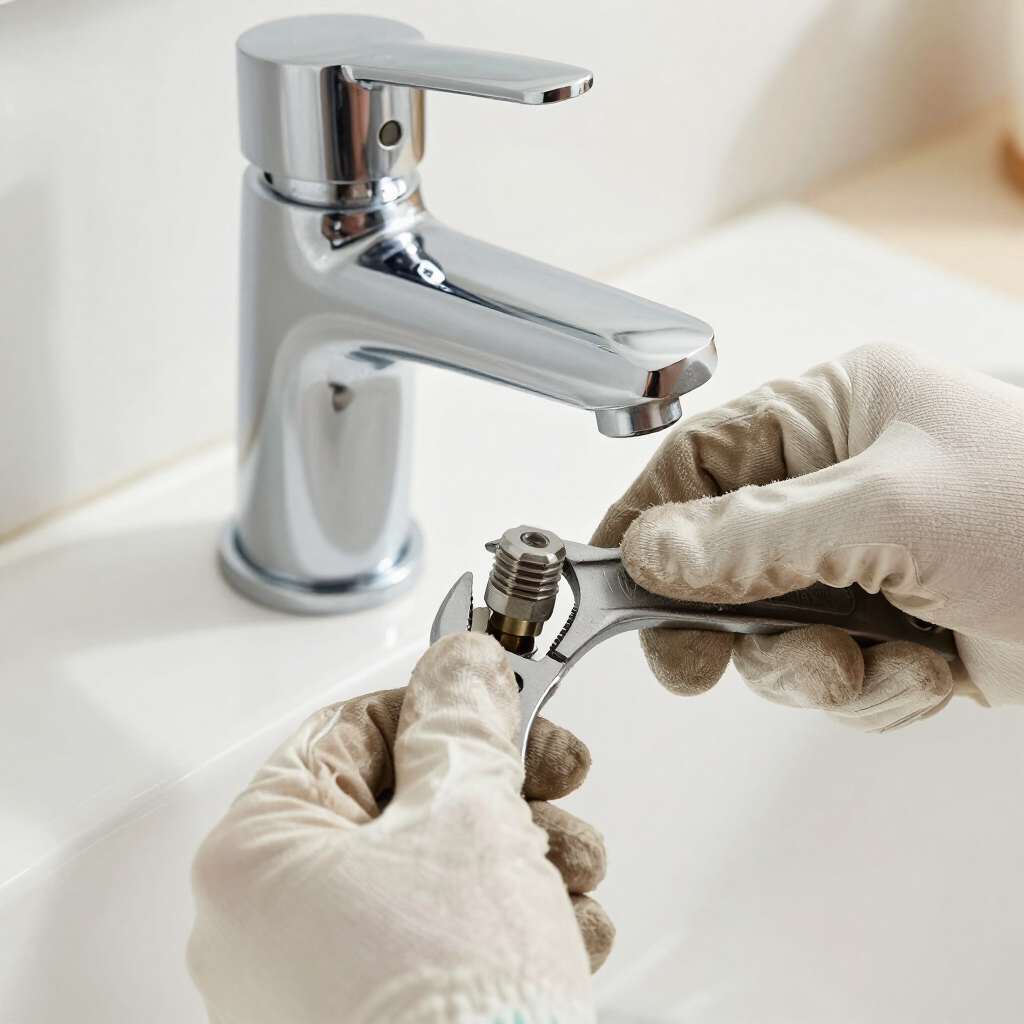
A cartridge repair starts with shutting off the water supply, removing the handle, and pulling the old cartridge out of the valve body. We inspect the cartridge, valve seat, and O-rings for cracks, wear, or mineral buildup — then install the correct replacement cartridge for that brand and model. Most Lakewood homeowners are back to full use within an hour.
The supply lines are always flushed before the new cartridge goes in. Debris left in the line can wreck a brand-new part fast, especially in a high-hardness water area.
Lakewood's water hardness runs 130–180 ppm depending on the season. That causes calcium to bridge inside ceramic disc chambers. Cartridges that look repairable are often cemented shut and need full replacement, not reseating. Always flush the supply lines before installing a new ceramic disc cartridge — mineral debris left behind will destroy a new disc in months.
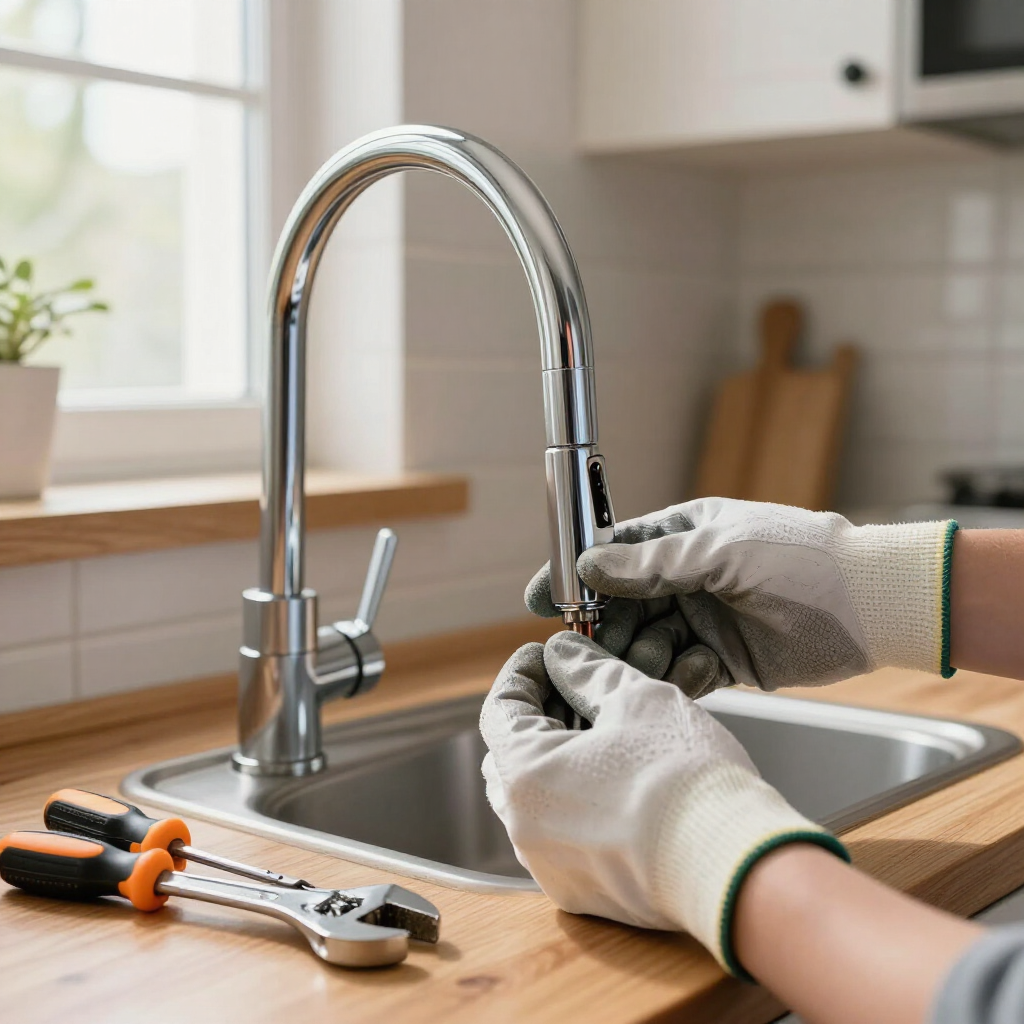
Stem vs. Cartridge — What Type of Faucet Valve Do You Have
Older faucets use a threaded stem with a rubber washer that wears down over time. Newer faucets use a cartridge — a self-contained unit that slides in and out as a single piece. Knowing your faucet type helps us arrive with the right parts for your home.
Compression stem faucets are common in Lakewood homes built before 1980. Cartridge and ceramic disc faucets dominate post-1990 builds. Ceramic disc cartridges last longer under normal conditions but are more sensitive to hard water and high pressure — both of which you have here.
Applewood and Glennon Heights are heavy with original compression-stem faucets on 1960s-era fixtures. Belmar and newer infill areas run almost exclusively on Moen Posi-Temp and Pfister single-handle cartridge systems. Moen 1222 cartridges in Belmar's 2004–2015 townhomes are failing right on schedule at 8–12 years. We stock them on every truck — calls from that part of Lakewood are predictable and frequent.
When to Repair vs. Replace Your Faucet
Repair makes sense when the faucet body is in good shape and the failed part — cartridge, stem, seat, or O-ring — is still available and affordable. Replacement is smarter when the faucet is more than 15–20 years old, has been repaired twice already, or has a cracked valve body.
In Lakewood, water hardness and high pressure accelerate wear. A faucet that's only 8 years old may already be at end of life if the PRV was never set correctly. Lakewood's hard water — up to 180 ppm in late summer — degrades internal seals faster than manufacturer timelines suggest. A 10-year-old builder-grade faucet here often costs more to repair repeatedly than to replace once.
We give you an honest on-site assessment before starting any work. But if a homeowner tells us they've already replaced the cartridge once in the last two years, we ask about water pressure before recommending another repair. Chances are the PRV has never been checked. And no cartridge will last long under those conditions.
Frequently Asked Questions
Can a dripping faucet in Lakewood be fixed without replacing the whole unit?
Yes — most dripping faucets are fixed by replacing the cartridge, stem washer, or O-ring inside the valve. Full replacement is only needed when the faucet body is cracked or parts are no longer available. We assess on-site and give you the repair-vs-replace recommendation before doing any work.
Why does my faucet keep failing even after I replaced the cartridge?
High water pressure is usually the cause — Lakewood's municipal supply commonly runs 90–110 PSI, which hammers new cartridges just as hard as old ones. A pressure-reducing valve check is part of every repeat-failure call we handle in Lakewood. Fixing the pressure issue is what makes the new cartridge last.
How long does a faucet repair take?
Most repairs are done in 45–90 minutes when parts are available on the truck. Older Lakewood homes may add time if the shutoff valves under the sink need replacement first. We carry common cartridges and shutoff valves on every service call.
What causes a faucet handle to feel stiff or hard to turn?
Mineral buildup from hard water is the most common cause in Lakewood — calcium deposits cement the cartridge discs together over time. High water pressure also contributes by wearing the cartridge down faster than normal. A full cartridge replacement clears the stiffness, and we flush the supply lines before installing the new part to remove any debris.
Do I need a permit for faucet repair in Lakewood?
Standard faucet cartridge and stem repairs do not require a permit in Lakewood. Work that involves replacing or moving supply lines inside the wall may require a permit depending on scope. We handle permit questions upfront so there are no surprises on the job.
My faucet is fine but the water pressure seems too high — is that a plumbing problem?
Yes — water pressure above 80 PSI is a plumbing issue, not a faucet issue, and it will keep damaging faucets and appliances until it's fixed. Lakewood homes built before 2000 often have failed or uncalibrated pressure-reducing valves. We test pressure on arrival and can service or replace your PRV the same day.