Sewer Repair in Lakewood CO
Licensed plumbers serving Lakewood with sewer line inspection, repair, and replacement.
Call today for same-day camera inspection and a clear diagnosis — no guesswork.
Lakewood sewer problems run the full range — cracked clay tile joints, root-crushed cast iron, sagging belly sections, and fully collapsed Orangeburg laterals that gave out years ago. This page covers what sewer repair in Lakewood CO actually involves: camera inspection, spot repair, trenchless lining, and full replacement.
Most jobs start with a camera run the same day you call. Repair options follow the findings. As licensed, family-owned plumbers, we match the method to the pipe and the failure — nothing more.
Thousands of Lakewood homes built between 1948 and 1968 — especially in Belmar and Villa Park near Sheridan Blvd — were plumbed with Orangeburg pipe. That compressed tar-paper pipe is fully delaminated at current age. It cannot be spot-repaired. It requires full lateral replacement, typically 40–80 feet of 4-inch pipe from the house to the main.
What Is Sewer Line Repair in Lakewood CO?
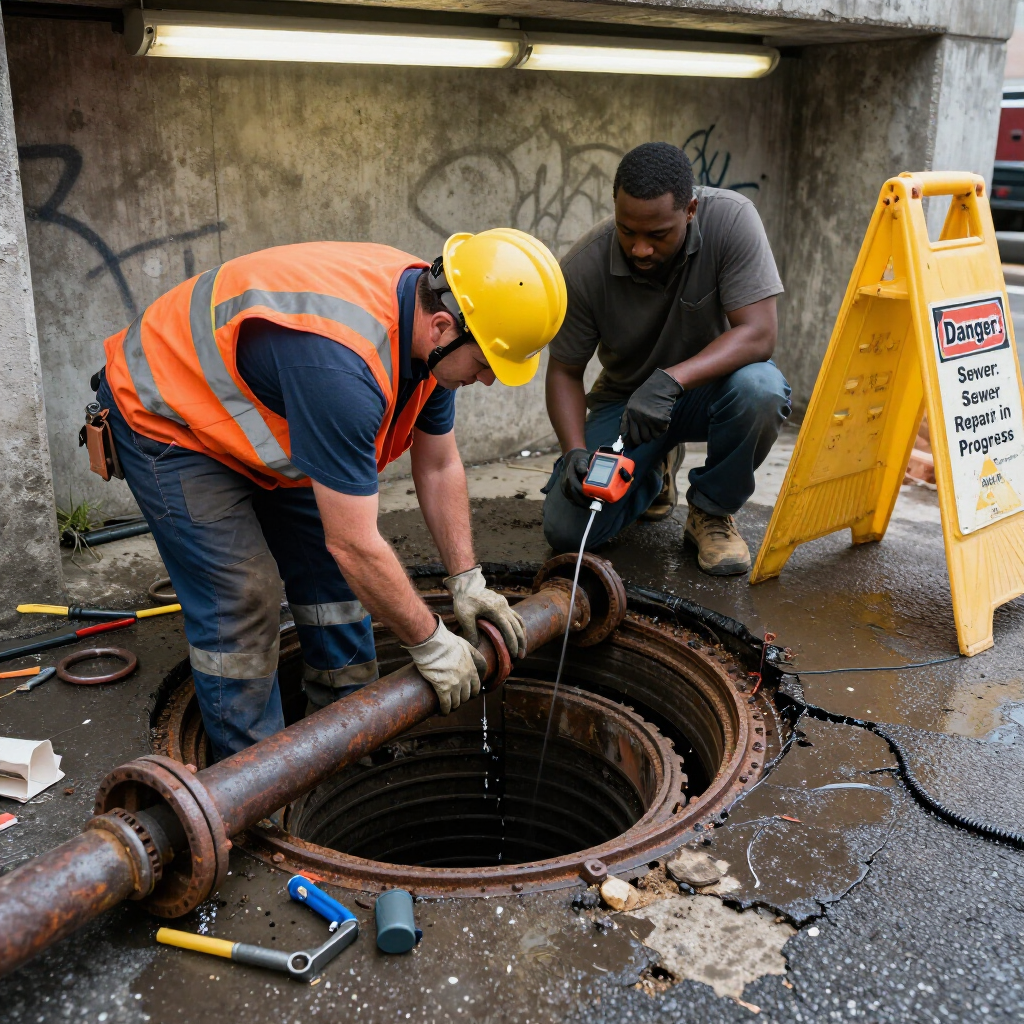
Sewer line repair in Lakewood CO is the process of finding and fixing damage inside the underground pipe that carries waste from your home to the city main. A camera inspection identifies the exact problem — cracked joints, root intrusion, pipe belly, or collapse — before any digging or lining begins. Repair methods include trenchless pipe lining, pipe bursting, spot excavation, or full lateral replacement depending on pipe material and damage extent.
Common pipe materials in Lakewood:
- Orangeburg (pre-1970 homes) — life expectancy already expired
- Clay tile VCP — 50–100 years in stable soil; shorter in expansive clay zones
- Cast iron — 75–100 years; heavy tuberculation in hard-water areas
- Schedule 40 PVC and SDR-35 — 50–100 years if properly bedded
Repair method by condition:
- Trenchless lining works on cracked or root-intruded pipe that still holds its shape
- Collapsed or delaminated Orangeburg requires full open-cut replacement
On Green Mountain and Rooney Ranch laterals, we always camera to the main tap. Belly sections and WYE failures at the tap are the first point to fail on 1980s–90s SDR-35 pipe, and stopping the scope at the building section means missing the damage that causes repeat callbacks.
What Sewer Line Repair Actually Fixes
Sewer repair addresses physical damage inside the underground drain pipe between your home and the city sewer main. Failures include cracked joints, offset pipe segments, root intrusion, sagging belly sections, and full collapse. These are different problems and they call for different fixes.
Lakewood homeowners usually notice slow drains or sewage odors long before they realize the pipe itself is the source. A camera inspection finds the exact failure point so the repair hits the real problem — not a guess. And the pipe material matters first: clay tile, Orangeburg, cast iron, and PVC each fail differently.
In older Lakewood homes near Belmar, we regularly run cameras down lines where the Orangeburg collapses under the camera weight in the worst sections. That pipe is not a repair candidate under any circumstances. The quote starts at full replacement.
Four Signs Your Sewer Line Needs Attention in Lakewood
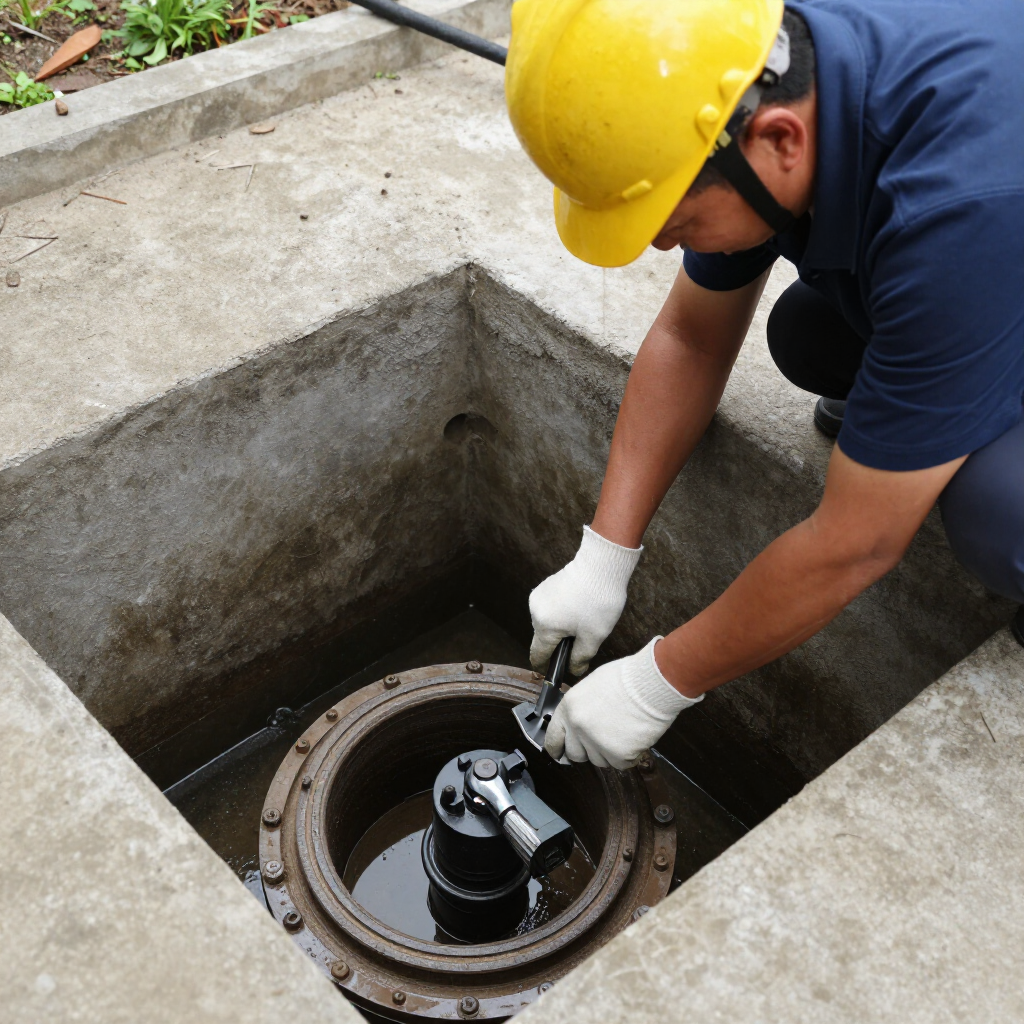
Four warning signs point to a failing sewer lateral before a backup or full collapse hits. Slow drains throughout the house — not just one fixture — sewage smell inside or in the yard, soggy or sunken lawn patches, and gurgling after you flush are the top signals. One is a reason to watch. Two or more is a reason to call.
These symptoms show up in Lakewood homes of all ages. From 1950s Belmar bungalows to 1990s Green Mountain subdivisions, the warning signs are the same. Catching the problem early usually means a less invasive repair and a lower bill.
But not every gurgle is a sewer line. On winter service calls across Lakewood, slow drains and gurgling are sometimes traced to a frozen or iced-over vent stack — especially on 1980s remodels where a 2-inch AAV was substituted for a proper roof vent. We check vent termination before scoping the line. That step alone saves homeowners from paying for a camera run that wasn't the problem.
How Trenchless Sewer Repair Works
Trenchless sewer repair fixes a damaged pipe from the inside without excavating the full length of the line. Two methods cover most situations. Pipe lining installs a resin-saturated liner that cures inside the existing pipe, sealing cracks and restoring full flow. Pipe bursting pulls a new pipe through the old one while fracturing the old pipe outward.
In Lakewood, trenchless lining is a strong call on cracked or root-intruded PVC and clay tile laterals where the pipe still holds its shape. Both methods avoid tearing up driveways, landscaping, and finished basements — a real factor on Lakewood properties with mature trees and decades of landscaping investment.
So on the west Lakewood side toward Rooney Ranch, where cobble and decomposed granite make open trenching expensive and shoring requirements go up fast on steeper lots, trenchless is often the smarter long-term call. A rushed open-trench job on those soils — with backfill that doesn't compact properly — will produce point-loaded pipe settlement within two to three winters.
How Lakewood's Soil Conditions Affect Your Sewer Line
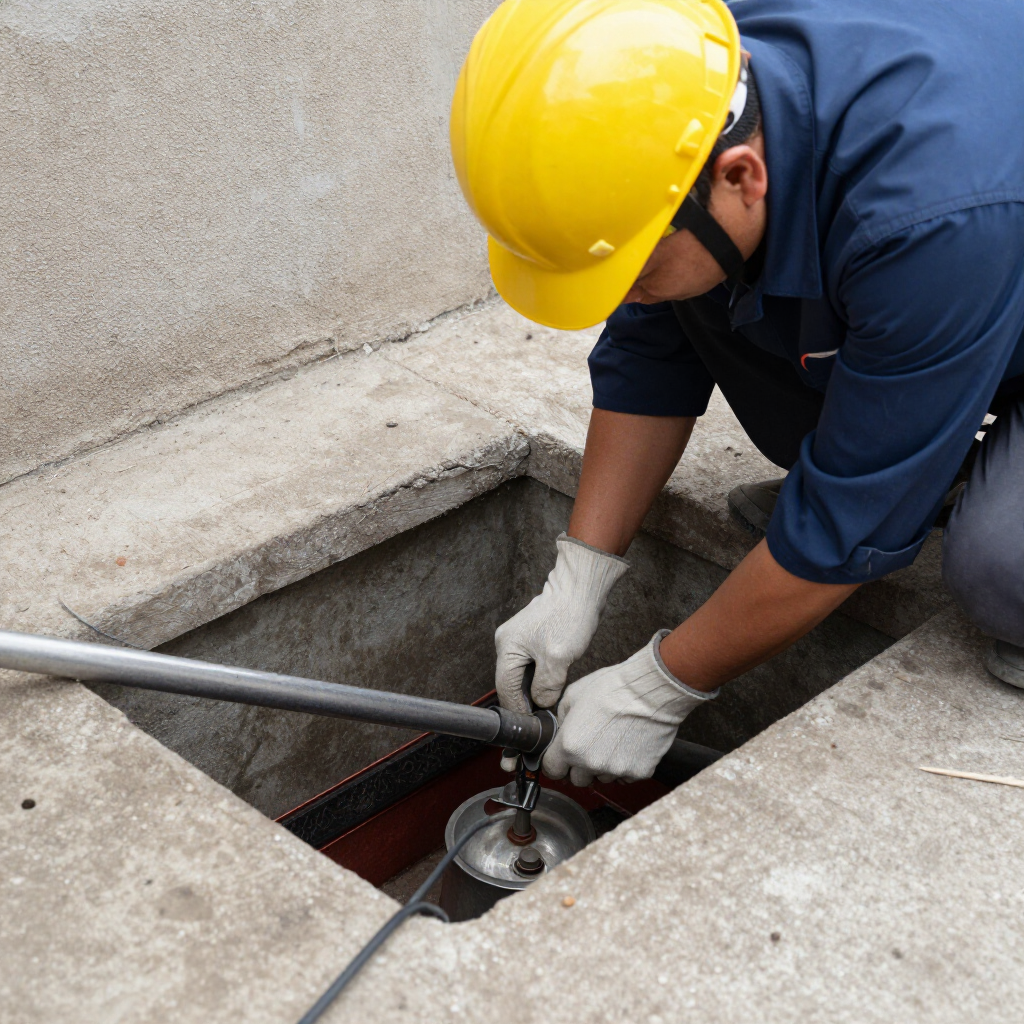
Lakewood spans two distinct soil zones. Each stresses sewer laterals in different ways, and knowing which zone your property sits in changes how we approach both the repair and the bedding after the job.
On the flatter east side toward Sheridan and Wadsworth, Bentonite-laced clay swells and contracts with seasonal moisture. That movement cracks slab-on-grade laterals, offsets joints, and opens root entry points over time. Near the Bear Creek floodplain, differential settlement in clay fill zones is an active pipe-killer for any construction era.
West-side properties climbing toward Green Mountain and Soda Lakes hit cobble and decomposed granite. Uneven bedding causes pipe settlement and belly sections on steeper lots. And the east Lakewood clay telegraphs directly into longitudinal cracking on clay tile and cast iron — seasonal moisture cycling is the mechanism. Homeowners in flat parcels between Sheridan and Wadsworth should expect root intrusion to follow any unaddressed crack within a few years.
What to Expect During a Sewer Repair Job
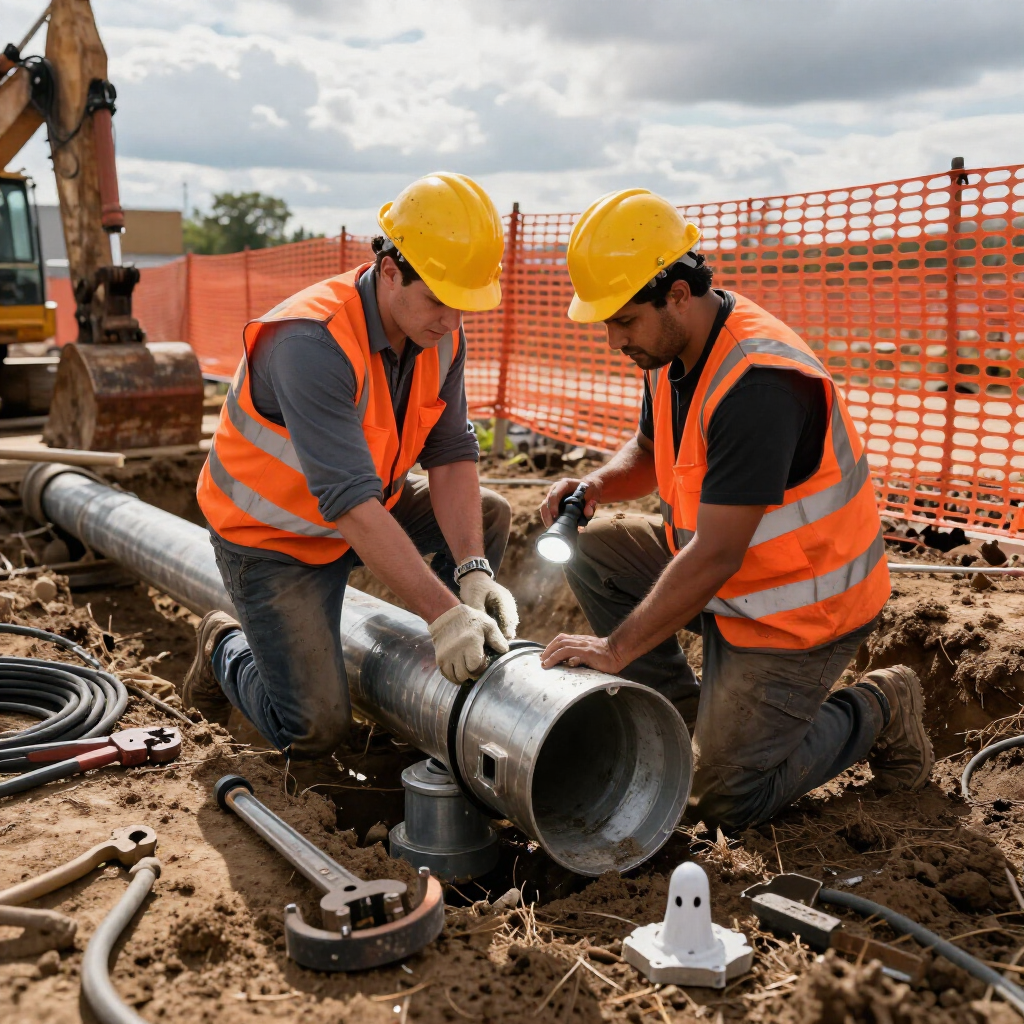
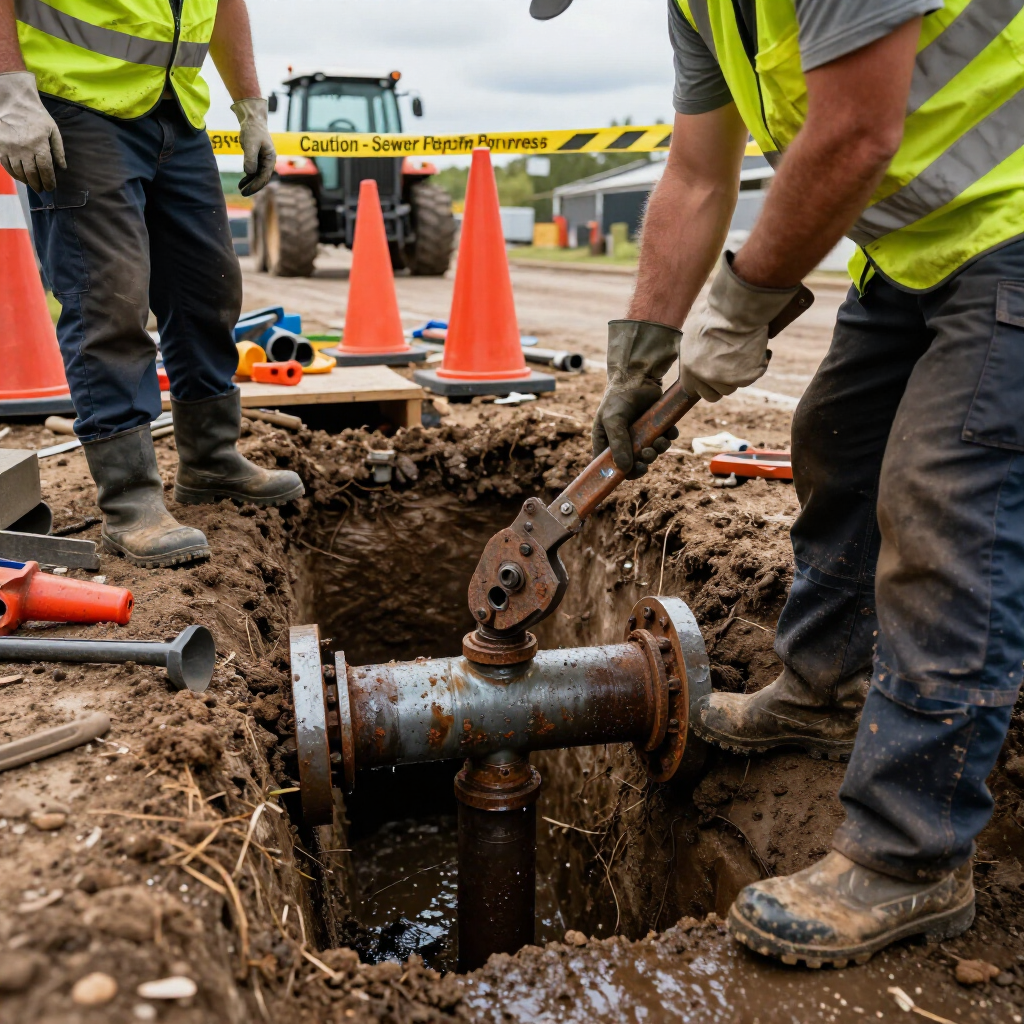
A Lakewood sewer repair follows a clear sequence every time: camera inspection, written scope, permit if required, the repair, and a post-repair camera confirmation. The camera run comes first — it identifies pipe material, failure location, failure type, and the condition of the WYE connection at the city main.
Lakewood sewer work falls under Jefferson County or City of Lakewood permit requirements depending on the scope. We pull the permit — not the homeowner. Most spot repairs and trenchless lining jobs finish in one day. Full lateral replacements typically run one to two days depending on depth and access.
On commercial properties along W. Colfax and W. Alameda, pre-1970 cast iron building drains carry heavy tuberculation combined with calcium soap deposits from Denver Water's moderately hard supply. Mechanical cutting alone won't hold those lines clean. On those pipes, 3,500 PSI hydrojet is the minimum before we run the post-repair camera — anything less and the confirmation is worthless.
How Long Sewer Lines Last — and When Replacement Beats Repair
Sewer line lifespan depends almost entirely on what the builder put in the ground. Orangeburg: life expectancy has already expired on all Lakewood pre-1970 installs. Clay tile VCP: 50–100 years in stable soil, shorter in expansive clay zones. Cast iron: 75–100 years with heavy tuberculation in hard-water areas. Schedule 40 PVC and SDR-35: 50–100 years if properly bedded.
Spot repair makes sense when one localized failure exists on otherwise sound pipe. Replacement makes sense when the pipe is Orangeburg, when multiple failures appear across the line, or when widespread root intrusion or deformation shows up on camera. Lakewood's 1950s–60s housing stock is at or past end-of-life for clay tile and Orangeburg. A camera scope gives a real answer before any money changes hands.
On Green Mountain and Rooney Ranch PVC laterals from the 1980s–90s building boom, the pipe itself is often still serviceable — but belly sections from rushed backfill on sloped lots and root intrusion from now-mature Cottonwood and Ash trees at every bell joint mean the repair scope runs longer than the initial call suggests. We always camera to the main tap, not just the building section. That's the only way to quote the full job accurately.
Frequently Asked Questions
Can a sewer line be repaired without digging up my yard?
Yes — trenchless pipe lining and pipe bursting fix most cracks and root intrusion without full excavation. Lining works when the pipe still holds its shape; bursting replaces the pipe by breaking the old one outward as the new one pulls through. Collapsed Orangeburg pipe — common in Lakewood homes built before 1970 — requires open excavation and full replacement; trenchless methods don't apply when the pipe has lost its structure.
Can a sewer line collapse completely?
Yes, and it happens faster than most homeowners expect on older pipe materials. Orangeburg pipe in Belmar and Villa Park is fully delaminated at current age and collapses under camera weight in the worst sections. Clay tile lines with offset joints or severe root intrusion can also reach full collapse; a camera inspection shows exactly how far along the damage is and whether repair is still on the table.
What are the signs that a sewer line is broken?
Slow drains at multiple fixtures, sewage odor inside or near the yard, soggy lawn patches, and gurgling after flushing are the four main signals. In Lakewood winters, gurgling is sometimes a frozen vent stack rather than a line failure — a plumber can tell the difference on the first visit without a full camera run. Any combination of two or more of these signs warrants a camera inspection before the situation gets worse.
How is a cracked sewer line repaired?
The repair method depends on how severe the crack is and what the pipe is made of. A single crack in otherwise sound PVC or clay tile is a strong candidate for trenchless pipe lining — a resin liner cured inside the pipe seals the crack and restores full flow. Widespread cracking, offset joints, or pipe deformation usually points to section replacement or full lateral replacement depending on how much of the line is affected.
What is the average lifespan of a sewer line?
Lifespan ranges from already-expired — Orangeburg — to 50–100 years depending on pipe material. In Lakewood, clay tile from the 1950s–60s buildout is at or past its expected life in expansive clay soil zones; PVC from the 1980s–90s Green Mountain expansion is mid-life but shows belly sections and root intrusion from settling and mature trees. A camera inspection gives a real condition report — age alone doesn't tell the whole story.
How does Lakewood's soil affect sewer line repairs?
Soil type directly controls how pipes fail and how repairs must be bedded after the job. East-side Bentonite clay swells seasonally and cracks slab-on-grade laterals; west-side cobble and decomposed granite near Green Mountain demands careful bedding compaction after any open-trench work. A repair that skips proper bedding in those soils will settle and fail again within a few winters — which is why we don't cut corners on backfill even when a homeowner is watching the clock.