
Faucet Installation in Lakewood, CO
Licensed plumbers handle faucet installation in Lakewood for kitchens, bathrooms, and utility sinks.
Call today to schedule — most installs are completed the same day.
In Lakewood, faucet installation is one of the most common plumbing calls we handle. We cover new installs, replacements, and fixture upgrades in kitchens and bathrooms across the area. Most jobs take one to two hours, and we offer same-day and next-day availability. OnCall Drain & Sewer is licensed, insured, and family-owned — your install gets done right the first time.
One thing you should know about Lakewood before any faucet work begins: Denver Water serves this area and runs at 80–100+ PSI in older distribution zones near Alameda and Sheridan. Homes built before 1995 often have a failed pressure-reducing valve at the meter. If that's not caught and corrected before the new faucet goes in, the fixture can be damaged within months.
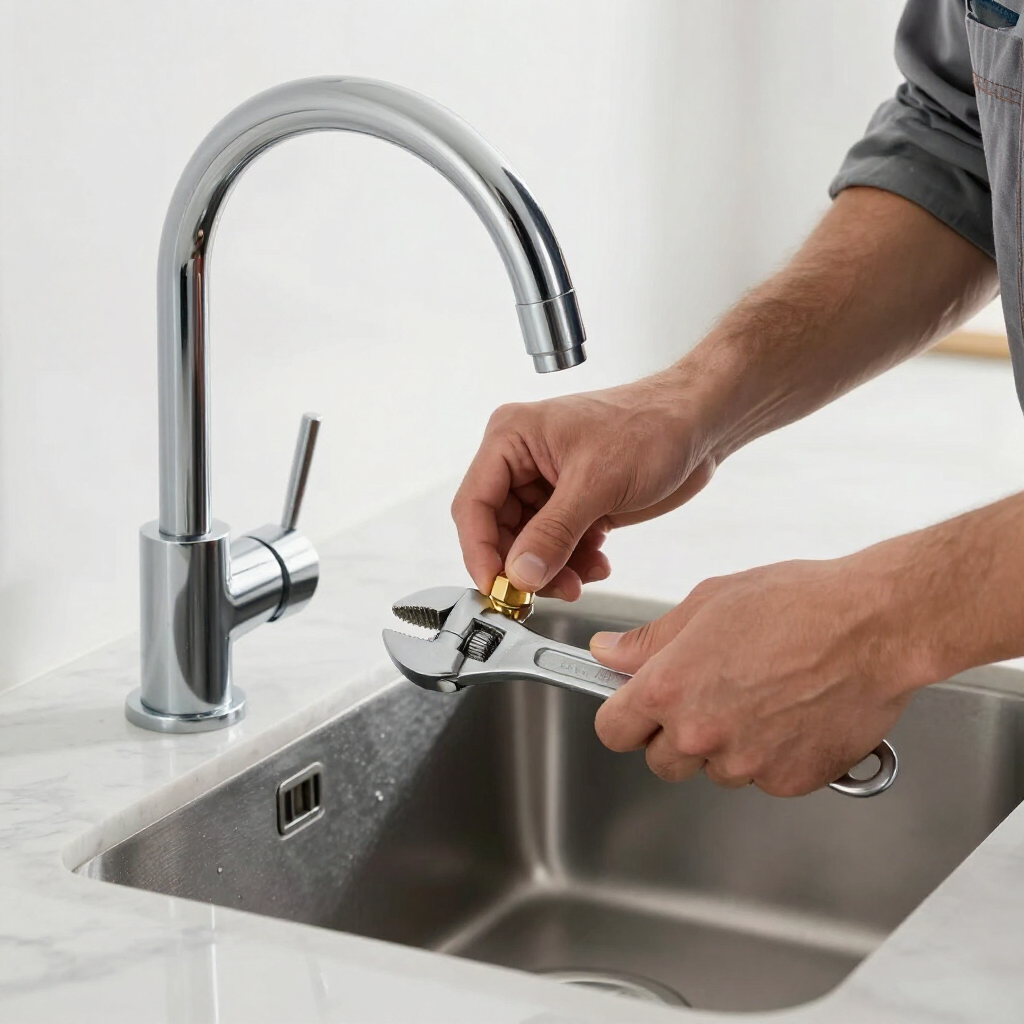
What Does Faucet Installation in Lakewood, CO Involve?
- Check water pressure at the meter — Lakewood homes near Alameda and Sheridan often run 80–100+ PSI; adjust the PRV to 60–65 PSI before starting
- Turn off the supply valves under the sink and confirm water is off
- Disconnect and remove the old faucet, supply lines, and drain hardware if needed
- Inspect shutoff valves — original angle stops on older Lakewood homes often weep when opened
- Set the new faucet, hand-tighten mounting hardware, and connect supply lines
- Restore water slowly, check for leaks, and test hot and cold flow at the aerator
Faucet Installation in Lakewood Covers More Than Swapping a Handle
A faucet install isn't just pulling one out and dropping another in. We remove the old fixture, check the supply lines and shutoffs, set the new faucet correctly, and test pressure and flow before we leave. Skipping any of those steps leads to drips, cabinet leaks, and early wear on the new hardware.
Lakewood is served by Denver Water, which blends mountain snowmelt and surface water. Pressure in older zones near Wadsworth and Kipling can spike above 100 PSI. That kind of pressure tears through new fixtures fast.
Before every faucet job in Lakewood, we check the PRV at the meter. Factory-set PRVs on pre-1995 homes are routinely diaphragm-blown and stuck wide open. We had a kitchen aerator shredded in six months because nobody caught 110 PSI coming in on the previous install. We catch it now — every time.
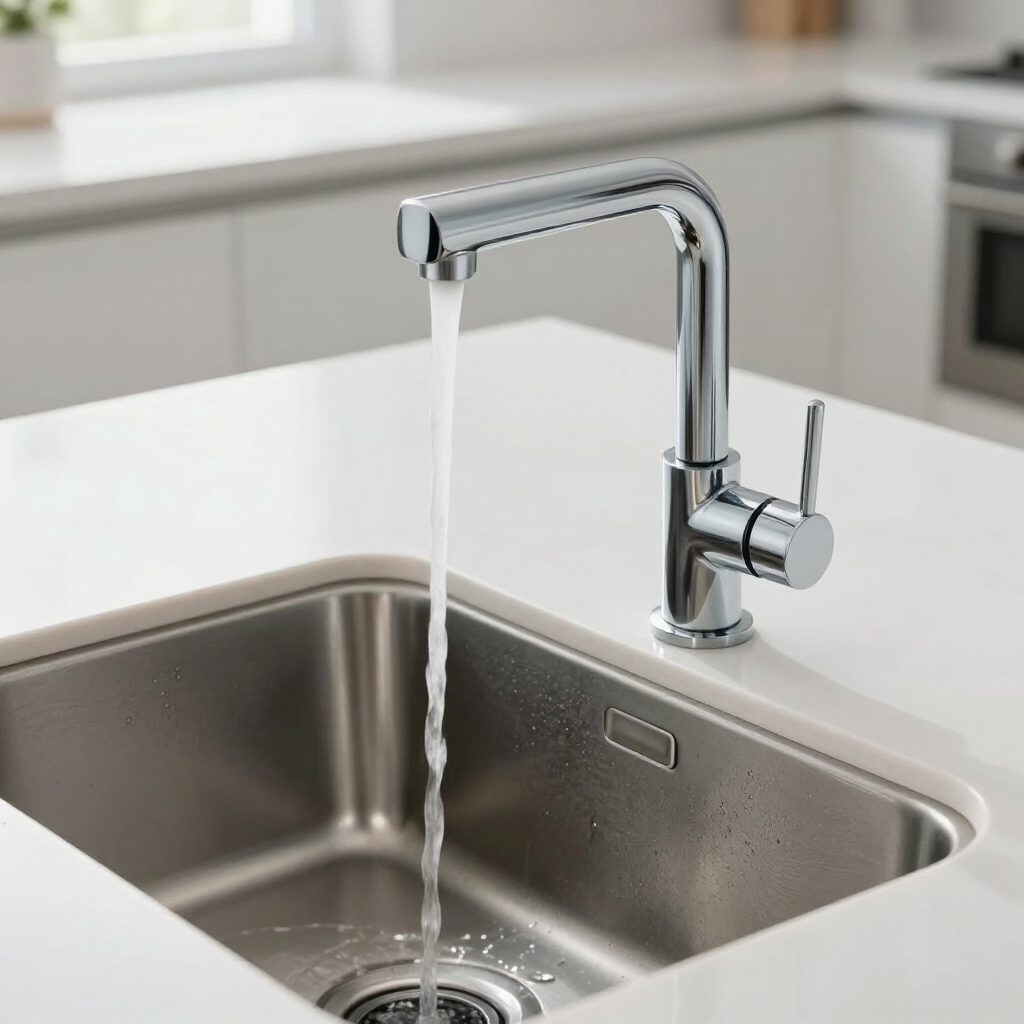
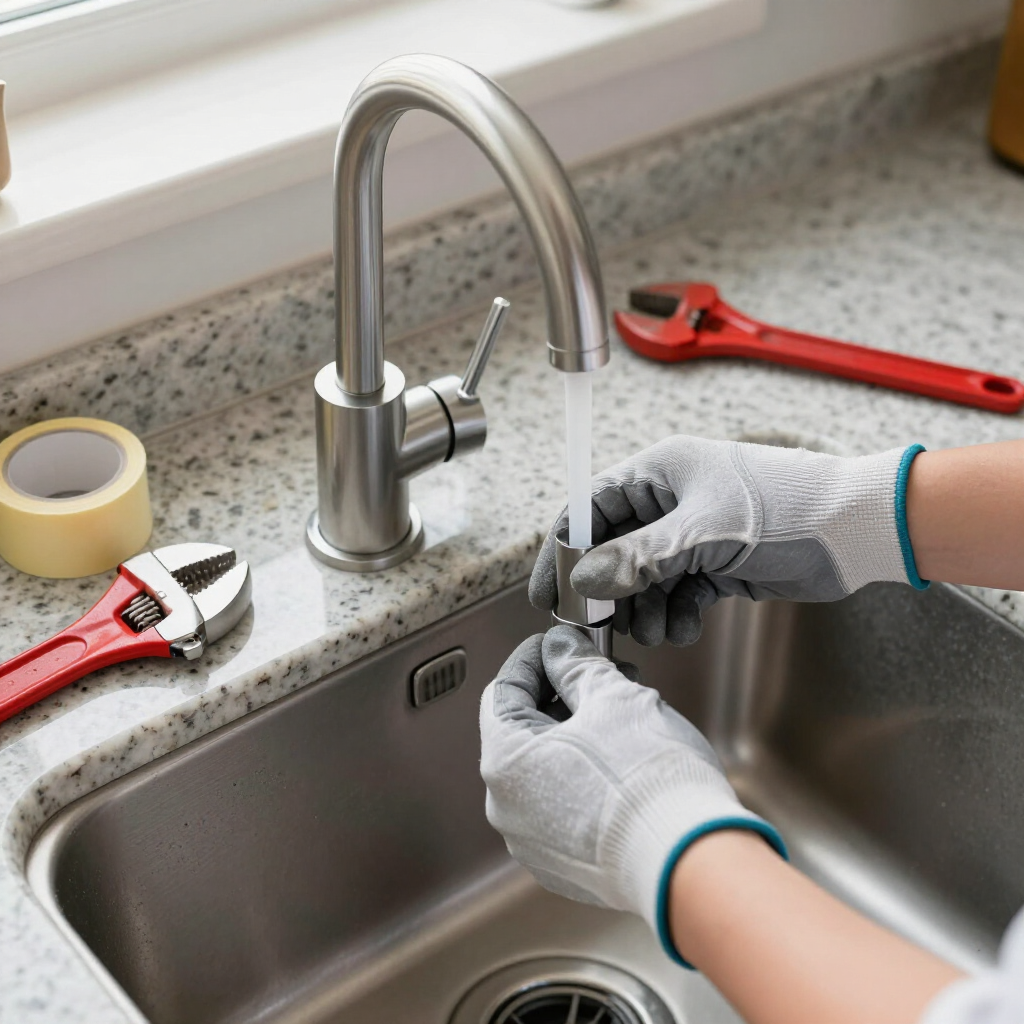
How to Know When a Faucet Needs Replacing, Not Repairing
Dripping faucets, corroded handles, low flow, and visible cracks are signs a repair won't hold. Ceramic disc cartridges and pull-down spray heads also wear out, and replacement parts aren't always available for older models. If you've already had the same faucet repaired more than once, it's time to replace it. Repeated patches cost more over time and waste water between calls.
Denver Water hardness in Lakewood runs 130–180 ppm depending on the seasonal blend. That's enough to calcify ceramic disc cartridges in three to five years. Pull-down spray check valves on lower-end faucets fail inside two years in this water.
White buildup on the aerator is a visible tell. But if that buildup is thick and the faucet is older than five years, the cartridge inside is likely next. We point this out at the start of every job so you're not surprised later.
What to Expect on Install Day: Steps From Shutoff to Test Run
A standard faucet install starts with shutting off the supply valves, removing the old fixture, and setting the new one. Supply lines and drain hardware are replaced as needed. Most kitchen and bathroom installs are finished in one to two hours with no damage to cabinets or counters.
In Erin Meadows, Kendrick Lakes, and the Westland subdivisions, mid-1970s to early-1980s builds may still have polybutylene supply lines. Cycling the shutoff valve on polybutylene can crack a fitting that was already breaking down from the inside.
We've had two faucet calls in this zip code turn into emergency repipes because PB blew when the shutoff was reopened. And that's not a situation anyone wants. We identify gray plastic supply lines before touching anything — and we quote the repiping alongside the faucet job if it's needed.
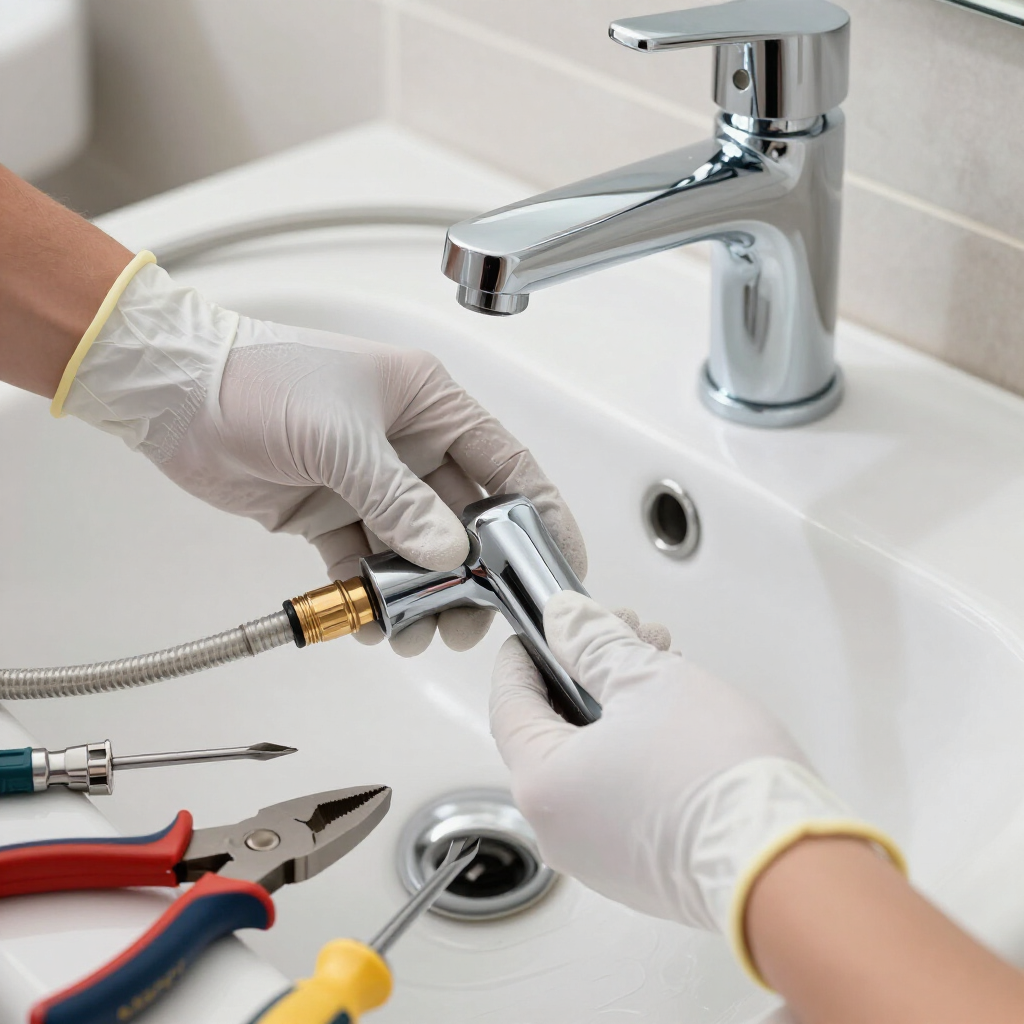
Lakewood's Hard Water Shortens Faucet Life - Here's What That Means for Your Install
Hard water leaves mineral deposits inside faucet cartridges, aerators, and spray heads. Over time, those deposits cut flow and break down moving parts. Knowing your water quality upfront helps you pick the right faucet and maintain it before it fails.
In Lakewood, homes closer to the Green Mountain feeder zone see harder water than the rest of the city. Denver Water's seasonal blend shifts hardness between 130 and 180 ppm depending on snowmelt volume that year. So the range matters — and it changes.
What homeowners don't realize is that the dishwasher inlet screen tells the same story as the faucet. When we do a kitchen faucet install and find heavy scale at that screen, we bring it up before we leave. A point-of-use filter or softener isn't an upsell — it's what protects the install we just put in.
Older Lakewood Homes Require a Closer Look Before Installation
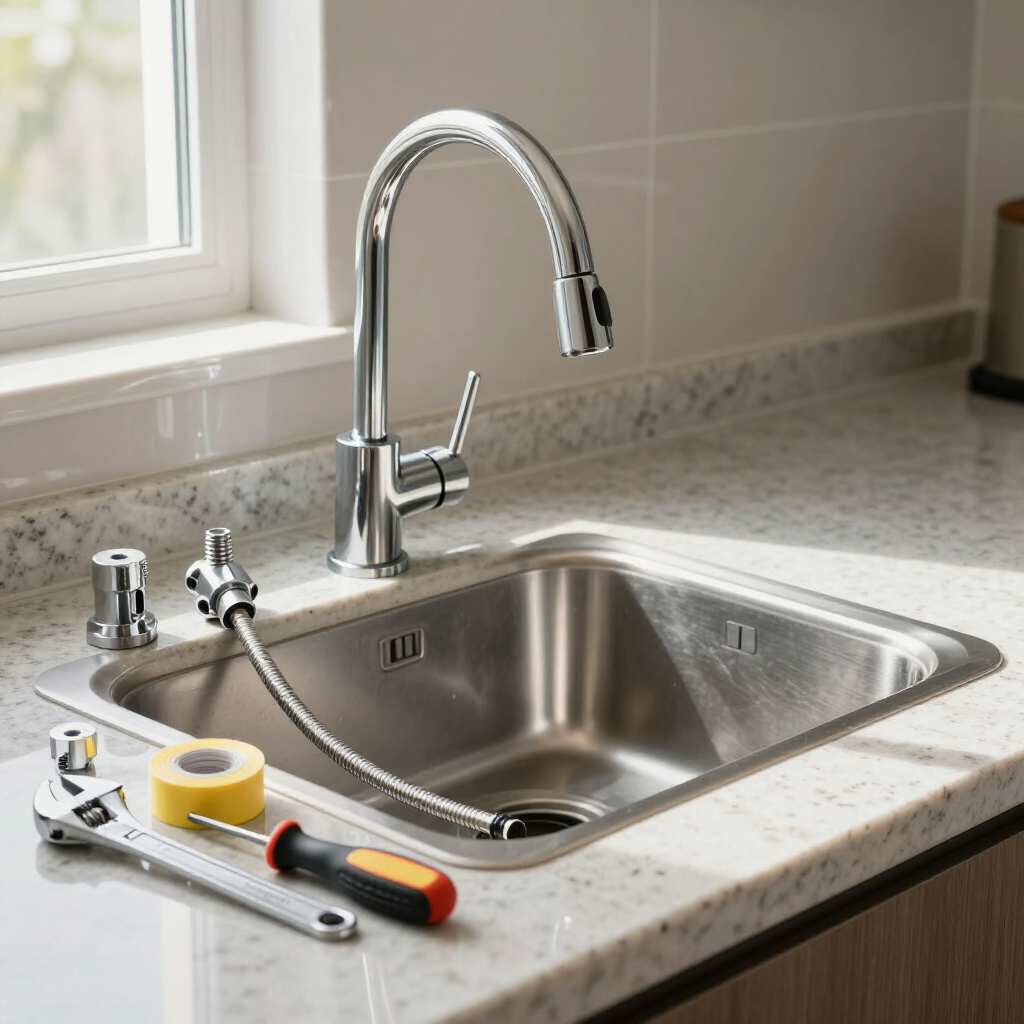
Homes built in the 1950s through the 1980s in Lakewood often have aging shutoff valves, galvanized stub-outs, and supply lines that don't hold up when disturbed. Catching a bad valve or corroded stub-out before the job starts prevents a bigger, more expensive repair after we leave.
Jefferson County soils are loaded with expansive Bentonite clay. It heaves three to four inches seasonally and can crack compression fittings at the shutoff valve on 1960s–1980s slab-on-grade homes. That's not a plumbing failure — it's a geology problem, and it shows up on service calls.
On older slab homes in Green Mountain and the Belmar-area neighborhoods, we always cycle the angle stops before starting. If original 40-year-old valves weep when opened, we tell you now — not after you call back at 11 PM with water running under the cabinets.
How to Choose the Right Faucet Type for Your Sink
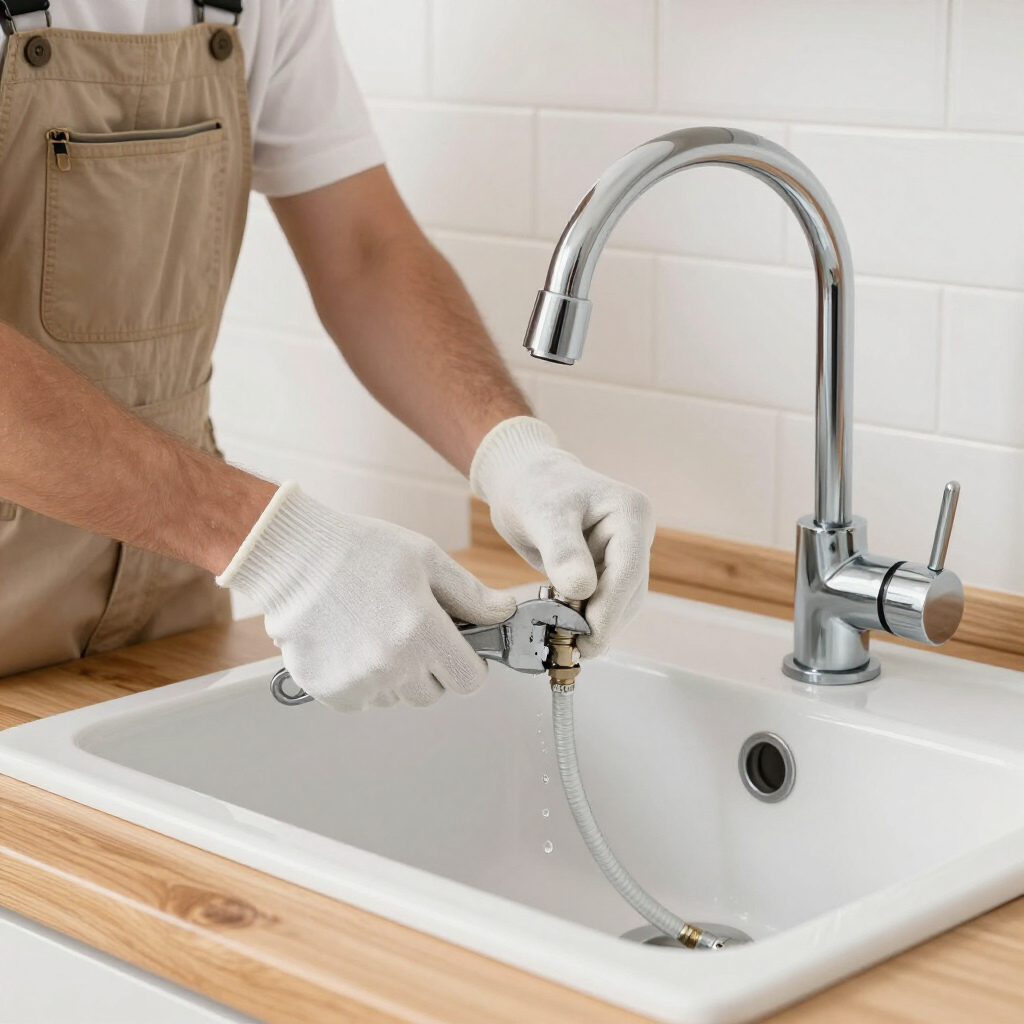
Single-hole, 3-hole, and widespread faucets each need a specific sink configuration. The faucet you buy must match the holes already drilled in your sink or countertop. Getting this right upfront avoids delays on install day and extra work to cover unused holes.
In Lakewood, many 1960s–1970s ranch homes and split-levels have older 3-hole sinks where the center spacing doesn't match modern widespread faucets. Measure before you buy. Many homeowners don't, and it creates a problem nobody planned for.
A 3-hole faucet has three mounting points: hot, cold, and spout. So if you're in an older Green Mountain home, confirm your sink configuration before scheduling the job. We've seen single-hole faucets arrive for 3-hole sinks more times than we can count — and it pushes the install to a second trip.
Frequently Asked Questions
Does faucet installation include replacing the supply lines?
Yes — supply lines are replaced as part of a standard install. Old braided or plastic lines are a common source of leaks under the cabinet and should never be reused with a new faucet.
How long does a faucet installation take in Lakewood?
Most installs take one to two hours. Older homes in Lakewood may take longer if shutoff valves or supply lines need attention before the new faucet goes in.
What types of faucets can be installed?
Kitchen, bathroom, bar, and utility faucets can all be installed. Single-hole, centerset (3-hole), and widespread configurations are the most common. The faucet must match the existing holes in your sink.
Do I need to do anything to prepare before the plumber arrives?
Clear out the cabinet under the sink and have your new faucet on hand. If you don't have one yet, let us know — we can help you choose a faucet that fits your sink configuration.
Why is my new faucet's water pressure low after installation?
Low flow after a faucet install in Lakewood is often caused by a clogged aerator or a galvanized stub-out still connected to the shutoff valve. Older Belmar and Green Mountain homes commonly have the last 18 inches of galvanized supply still in place, which restricts flow to roughly 40% of normal.
How often should a faucet be replaced in Lakewood?
Most quality faucets last 15–20 years, but Lakewood's moderately hard water speeds up cartridge and aerator wear. A faucet that drips repeatedly or shows heavy mineral buildup after 8–10 years is a good candidate for replacement.